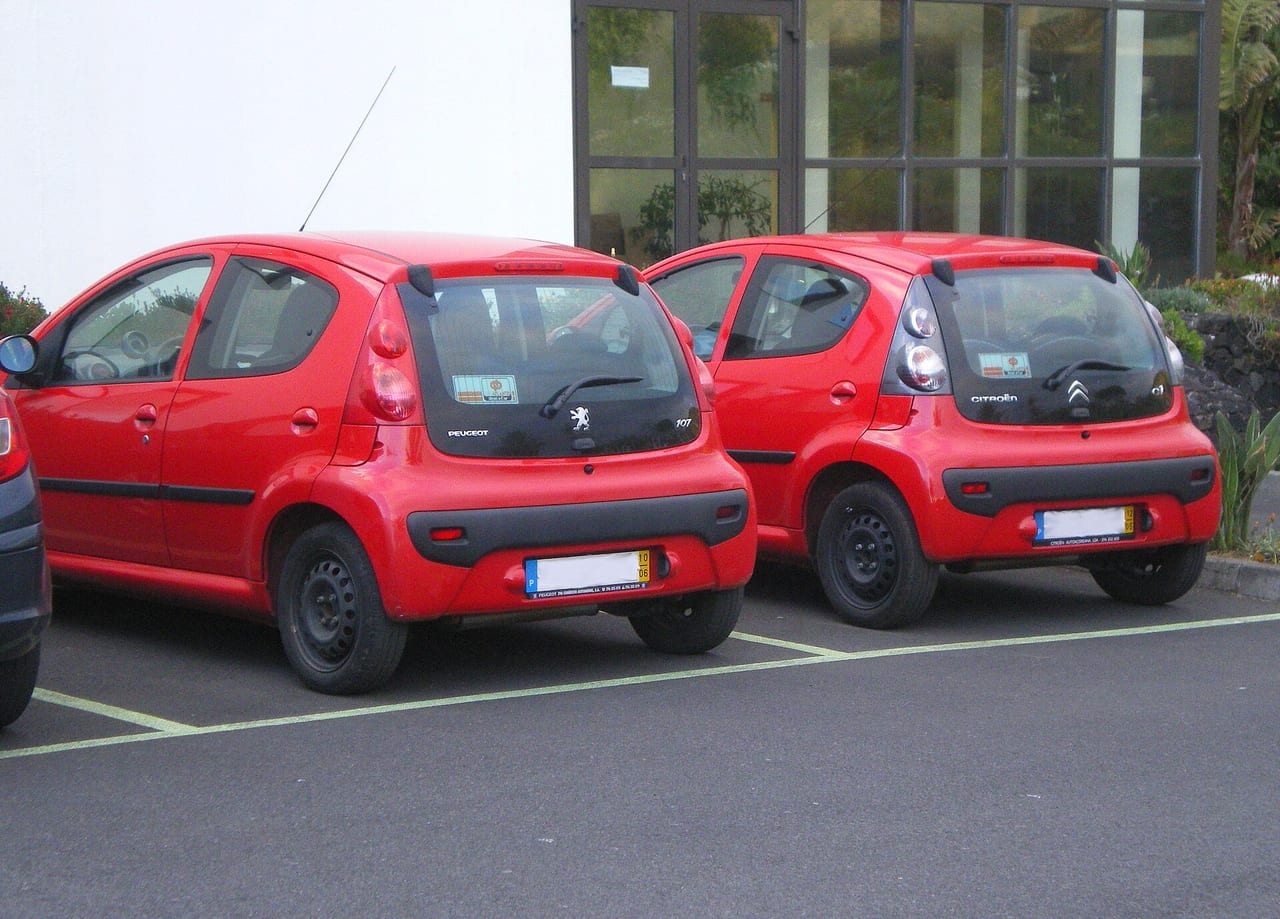
What is Badge Engineering?
Selling the same car under a different brand or name, usually with new badges and only minor styling changes.
Badge engineering, also called rebadging, is when a carmaker sells an existing model under a different brand, logo, or name to reach more buyers without designing a new car. The name is an intentionally ironic misnomer, since little or no engineering is involved. The changes can be as small as swapping emblems or stretch to new lights, bumpers, and outer body panels, and sometimes different engines. In Japan, carmakers often call it "OEM supply."
The first known case was the 1917 Texan, assembled in Fort Worth, Texas, with Elcar bodies from Elkhart, Indiana. In 1926 Nash turned its new Ajax into the "Nash Light Six," stopping production for two days to swap emblems, hubcaps, and radiator shells and sending free conversion kits to Ajax owners. Britain's BMC took the idea furthest: its 1962 ADO16 was badged as a Morris, MG, Austin, Wolseley, and Riley, among others.
Familiar examples include GM's Chevrolet Tahoe, GMC Yukon, and Cadillac Escalade, which share a common body, and the Chevrolet Camaro and Pontiac Firebird. In Australia in the 1980s and 1990s, the Button car plan put Ford and Holden names on imported Nissans and Toyotas. GM's Geo brand sold badge-engineered Suzuki, Toyota, and Isuzu designs, and Ford's Mercury spent most of its life selling restyled Fords. Platform sharing is related but broader, since one platform can underpin a sedan, a hatchback, and an SUV.
Related terms
Frequently asked questions
Badge Engineering on the blog
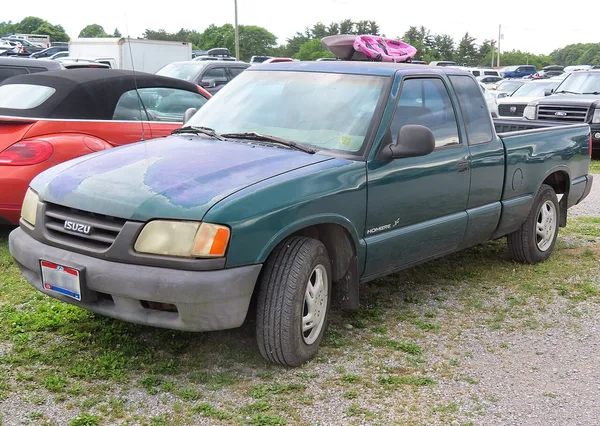
The Isuzu Hombre was a compact pickup Isuzu sold in the US from the 1996 through 2000 model years. GM built it next to the Chevrolet S-10 in Shreveport, Louisiana, with Isuzu sheetmetal up front. Here are its engines, body styles, and what came after.
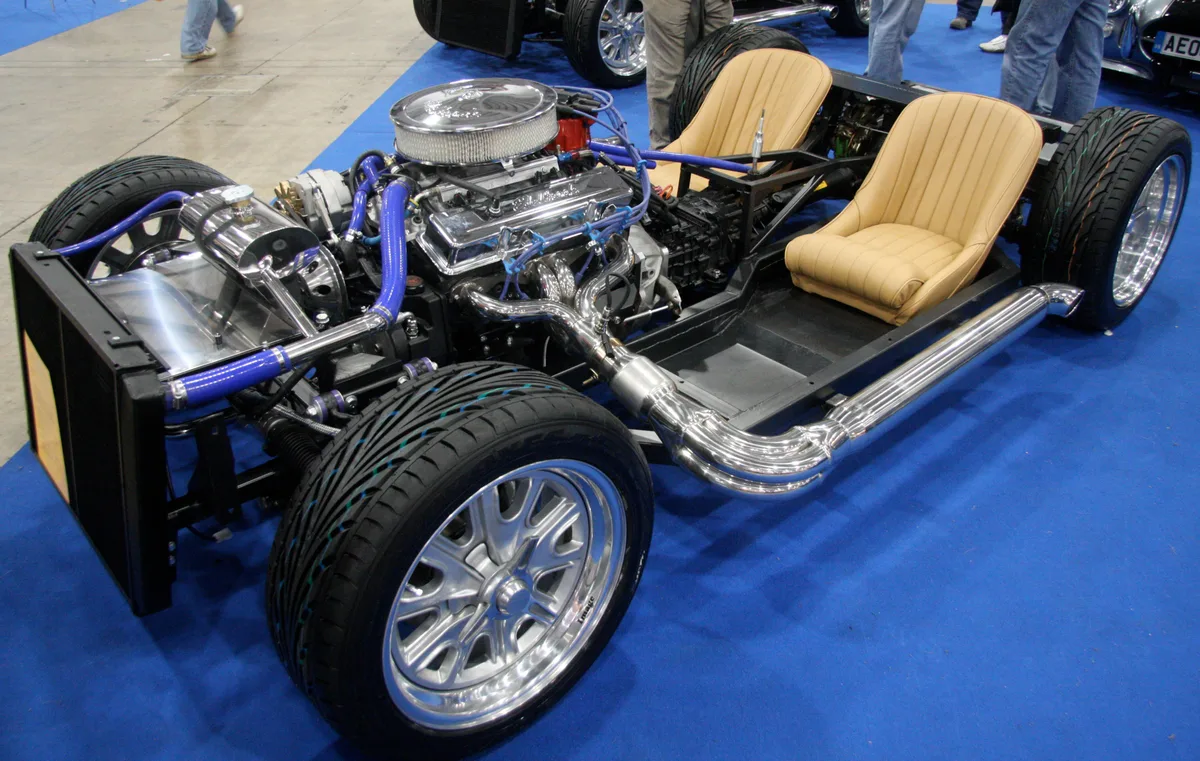
A subframe, also called an engine cradle, is a bolt-in structure that carries the engine, transmission, and suspension, then mounts to the body through rubber bushings. It isolates noise and vibration, spreads load, and lets a whole drivetrain be installed in one motion on the assembly line.
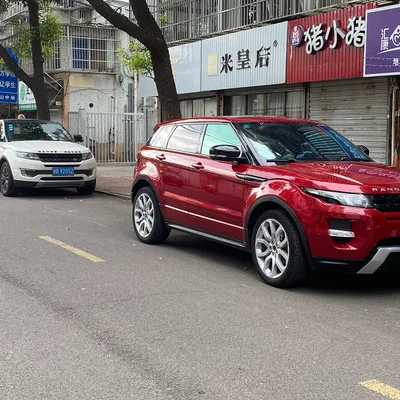
Range Rover boss Martin Limpert says Chinese copies like the Jaecoo J7, nicknamed the Temu Range Rover, are a badge of honor. It's a change of tone from the company that beat Landwind in a Beijing court in 2021 over five copied design features on the Evoque.
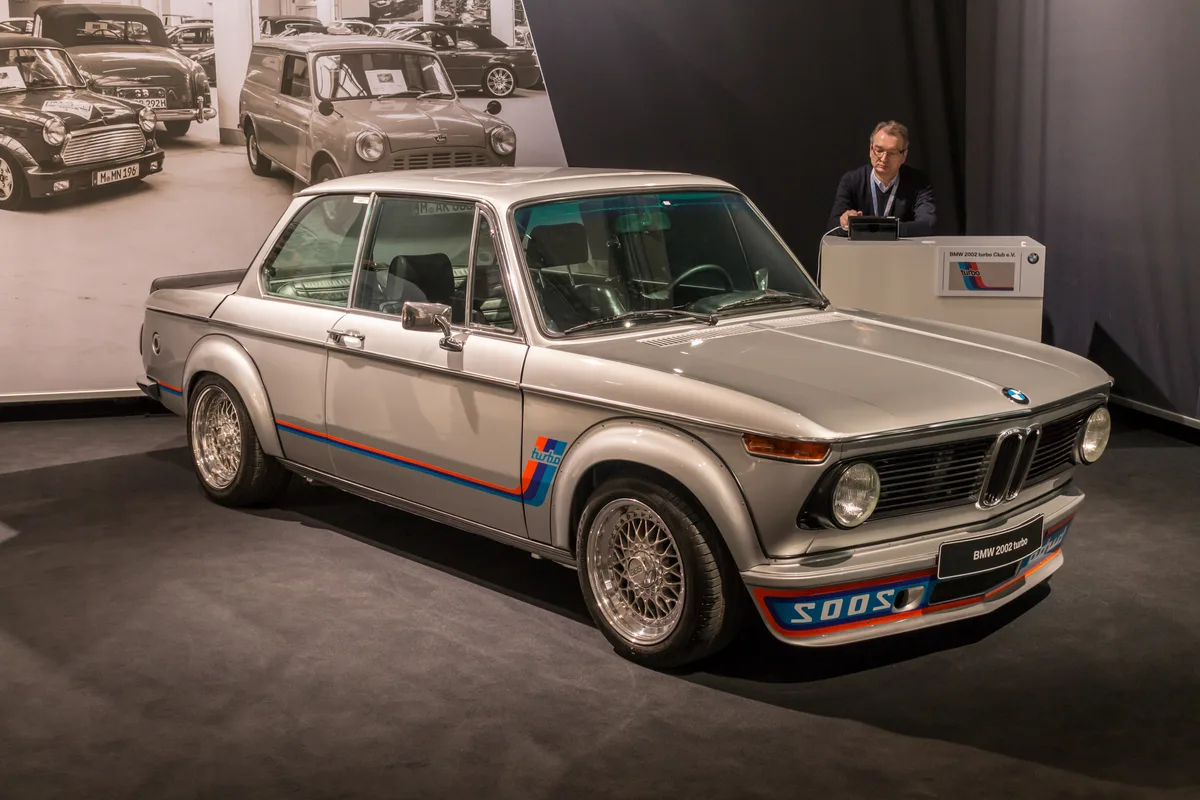
The BMW roundel is not a spinning propeller. It's the black ring from predecessor Rapp Motorenwerke plus the Bavarian flag colors, inverted to get around a trademark law banning state symbols. The propeller idea came from a 1929 ad, twelve years after the badge was registered, and BMW let the story run.