DuelsLeaderboardGarageBlogCarsGlossaryBrowse

VIN

Car culture term

VIN
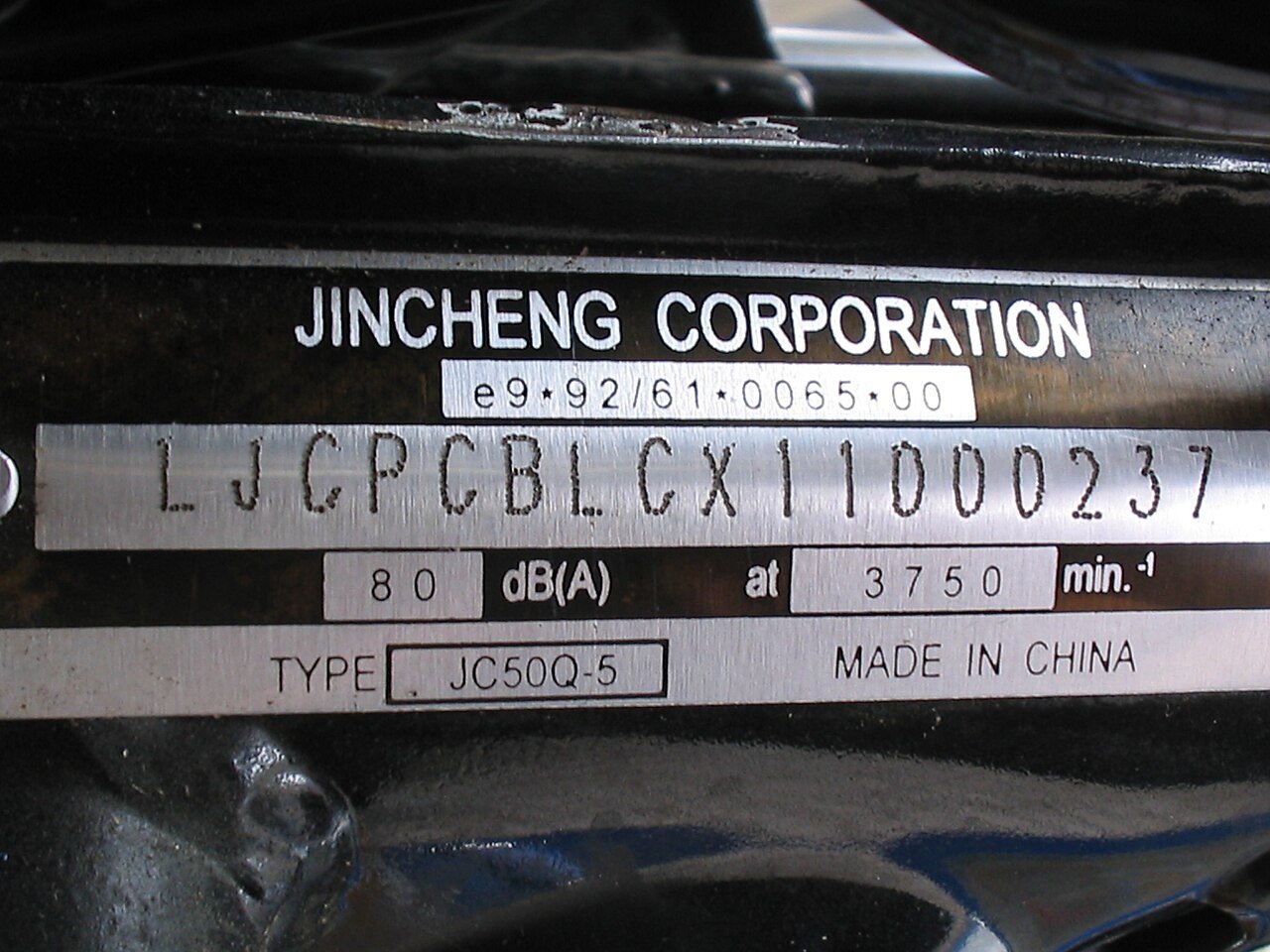
Photo: Michiel1972 at Dutch Wikipedia / Wikimedia Commons · CC BY-SA 3.0

What is VIN?

A VIN, or Vehicle Identification Number, is the unique 17-character code assigned to every road vehicle, encoding its manufacturer, specifications, and production details for identification and history checks.

A Vehicle Identification Number, or VIN, is a standardized 17-character alphanumeric code assigned to essentially every car, truck, and motorcycle built for road use since the mid-1980s, when the format was standardized worldwide. No two vehicles are supposed to share the same VIN, which makes it the primary key used by manufacturers, dealers, insurers, and government agencies to track a specific vehicle throughout its life, from the factory to the scrapyard.

The 17 characters are divided into sections that each encode specific information. The first three characters form the World Manufacturer Identifier, identifying the manufacturer and country of origin. The next five characters describe the vehicle's attributes such as body style, engine type, and trim level. The ninth character is a check digit used to validate the VIN is not fraudulent or mistyped. The tenth character encodes the model year, the eleventh identifies the assembly plant, and the final six digits are the vehicle's unique production serial number.

For buyers, the VIN is the key to pulling a vehicle history report, checking for open recalls, verifying that a title, odometer, and accident history match the physical car, and confirming factory options and specifications. Because the VIN is stamped, etched, or plated in multiple places on a vehicle, comparing those locations against the paperwork is also a standard way to check for a stolen or reconstructed vehicle before a purchase.

Related terms

JDMUSDMGray Market ImportKei carRestomod

Frequently asked questions

What does each part of a 17-character VIN mean?
The first three characters identify the manufacturer and country of origin, the next five describe vehicle attributes like body style and engine, the ninth is a check digit for validation, the tenth encodes model year, the eleventh identifies the assembly plant, and the last six digits are the unique production serial number.
Where can you find a car's VIN?
Common locations include a plate visible through the windshield on the driver's side dashboard, a sticker inside the driver's door jamb, the vehicle registration and title documents, and the insurance card, and the VIN is also often stamped on the engine block or frame.
Why did VIN formats become standardized to 17 characters?
Before the mid-1980s, manufacturers used inconsistent VIN formats and lengths, which made cross-manufacturer and cross-border tracking difficult. International standards bodies established the 17-character format so every road vehicle worldwide could be uniquely and consistently identified.
Can a VIN reveal a car's accident or title history?
Yes. Running a VIN through a vehicle history service can surface reported accidents, title status such as salvage or rebuilt, odometer readings over time, past ownership changes, and open manufacturer recalls, though coverage depends on what was reported to those databases.
How do you check if a VIN has been tampered with?
Compare the VIN stamped on the dashboard plate, door jamb sticker, and any frame or engine stampings against each other and against the title and registration paperwork. Mismatches, signs of re-stamping, or a check digit that fails validation are red flags for a stolen or fraudulently retitled vehicle.

VIN on the blog

Is it illegal to lower your car?

Lowering a car is legal in most states until it crosses a specific line. California says the body cannot sit lower than the lowest part of any wheel rim, Washington requires fenders to cover the full tire tread, and some states set bumper heights instead. Air suspension is how the stance scene stays legal.

DLO fail: the fake window glass designers quietly hate

DLO stands for daylight opening, the glass area of a car's greenhouse seen from the side. DLO fail is the black plastic cheater panel at the end of it, faking a longer or sleeker window than the car actually has. Designers use the term as an insult, and once you see it you cannot unsee it.

BMW is building an electric M3 and keeping the six-cylinder one

BMW's electric M3 is expected in production next year on a dedicated EV platform, and a combustion M3 is lined up for 2028 using a modified version of today's S58 twin-turbo inline-six with mild-hybrid help. M boss Frank van Meel has hinted the gas car may even keep a manual.

Mitsuoka is turning a Miata into a 1950s Corvette

Mitsuoka's new LA1 puts 1950s C1 Corvette bodywork on a current Mazda MX-5, with quad headlights, a chrome bumper, side gills, and taillights moved to the quarter panels. It debuts November 26 as a limited Japanese-market car. The same designer did the 2018 Rock Star, which copied the C2 instead.

Back to Glossary