Audi chief executive Gernot Döllner says the appetite for combustion engines rises with the price of the car. "The higher the segment is, the more the enthusiast still loves the combustion engine," Döllner told Automotive News Europe, adding that "the lower the segment is, the more battery electric is accepted."
It's a blunt statement for the head of a company that once promised to go all-electric, and Audi has a $700,000 piece of evidence to back it up.
The car that proves the point
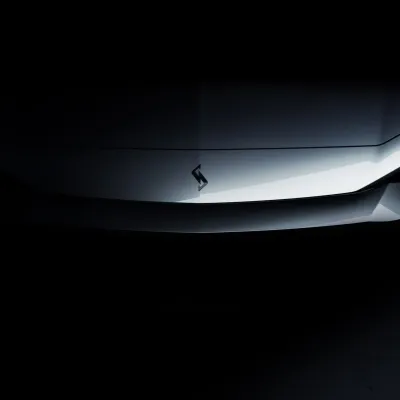
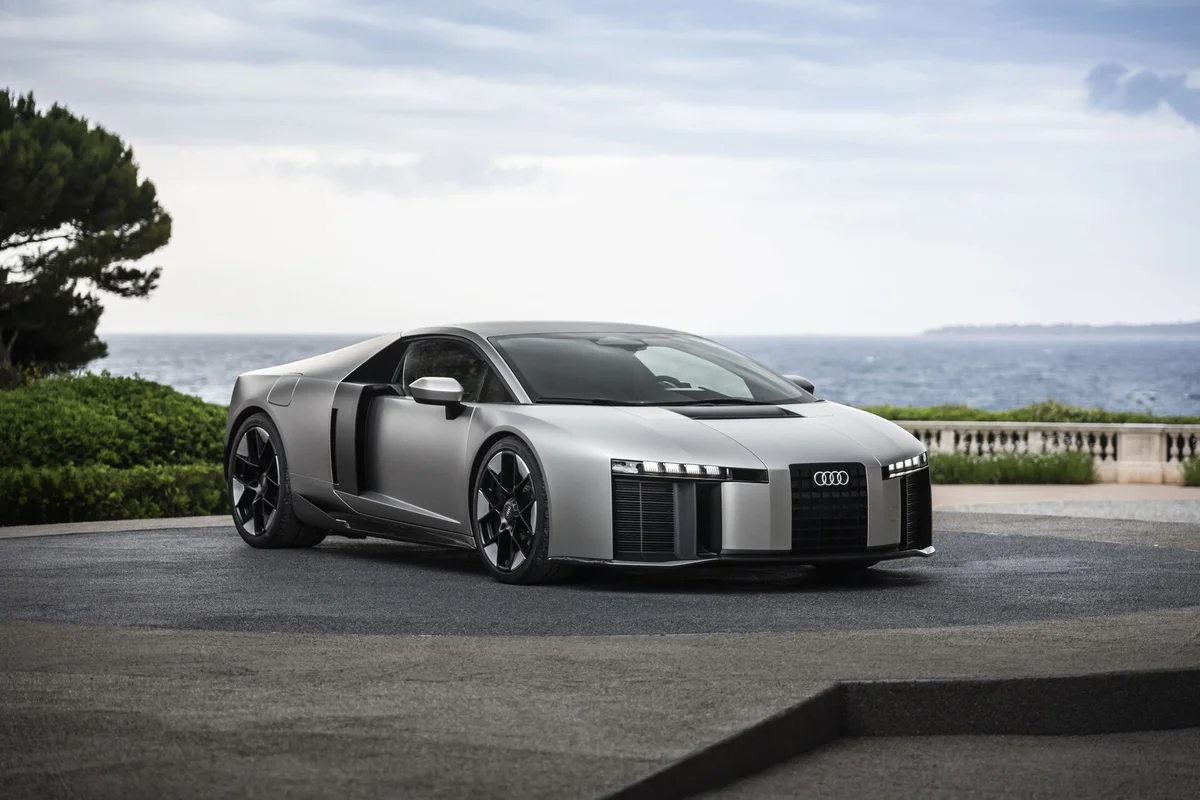
The evidence is the Nuvolari, Audi's successor to the R8 and the most powerful road car the company has built. It pairs a 4.0-liter twin-turbo V8 with three electric motors for 987 horsepower, hits 62 mph in a claimed 2.6 seconds, and runs past 217 mph. Audi will build 499 of them at roughly $700,000 each, with European pre-orders opening late in 2026 and first deliveries in the first half of 2027.
The V8 revs to 10,000 rpm, which is racing territory and something no electric motor can imitate, because the noise and the climb to a redline are what gets the blood pumping. Audi could have made the Nuvolari fully electric and quicker off the line. It chose not to, and it's charging accordingly.
This is also a reversal. Audi said in 2021 that every new model from 2026 would be electric and that combustion would be gone by 2033. That plan is now flexible, and Döllner has framed it as reading the market rather than retreating: "We're fully committed to electric mobility. But if there are waves or fluctuations in the transition we can react to them."
What it says about how we buy cars
The claim is more interesting than the usual EV-backlash story, because it isn't that people don't want electric cars. Döllner is saying the opposite at the cheap end. If you're buying a small car to get to work, an EV is quiet, cheap to run, and quick enough, and buyers there have accepted it fast.
The resistance is at the top, where the car stops being a daily driver and something you want to have fun in. At that price you're buying character, and combustion still holds a monopoly on the noise, the vibration, the sense of a machine working. Porsche has made the same bet by promising to build manuals as long as it legally can, and Lamborghini has toned down on its own electric plans.
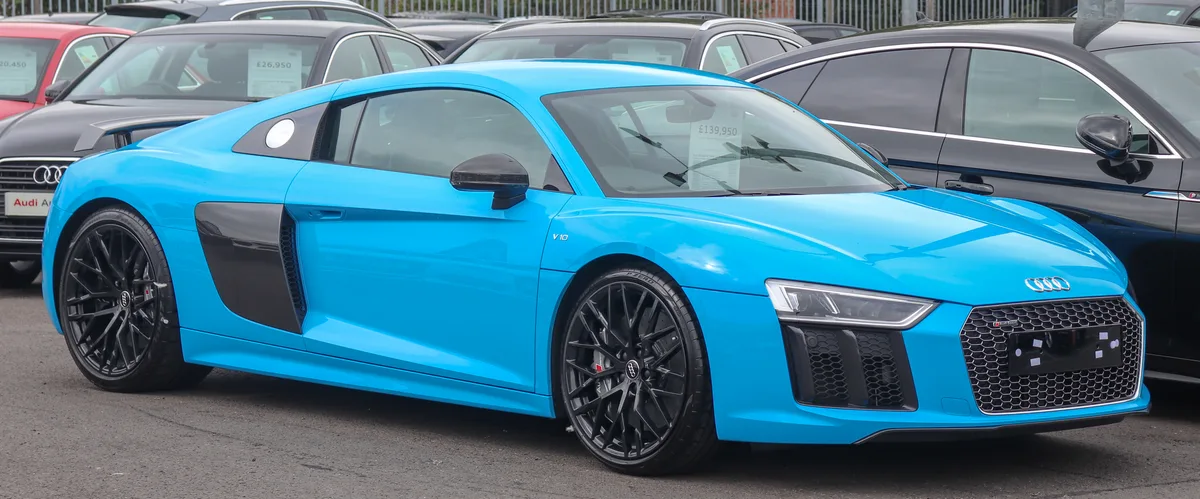
There's a design consequence too. An electric supercar doesn't need the intakes, the vents, or the low engine cover that gave these cars their shape, which is a big part of why EVs have a design problem. Keeping the V8 keeps the proportions that made an R8 look like an R8.
Sources:
Döllner's segment quotes, given to Automotive News Europe: Motor1
Nuvolari power, price, production run and timing: Wikipedia, Audi Nuvolari
Audi's shifting combustion timeline and the commitment quote: Motor Authority
Frequently Asked Questions

Jeffrey Wiley has spent more time than he'd like to admit thinking about what makes a car look right. He writes about automotive design, car culture, and the opinions people have strong feelings about. He lives in north Georgia.