Ask anyone what the BMW badge means and you'll likely hear the same answer: it's a propeller spinning against a blue sky, left over from the company's days building aircraft engines. It's a great story, but it's a myth, and BMW's own historians have said so.
The roundel was registered in October 1917. The propeller explanation shows up in 1929, twelve years later, in an advertisement.
Where the roundel actually came from
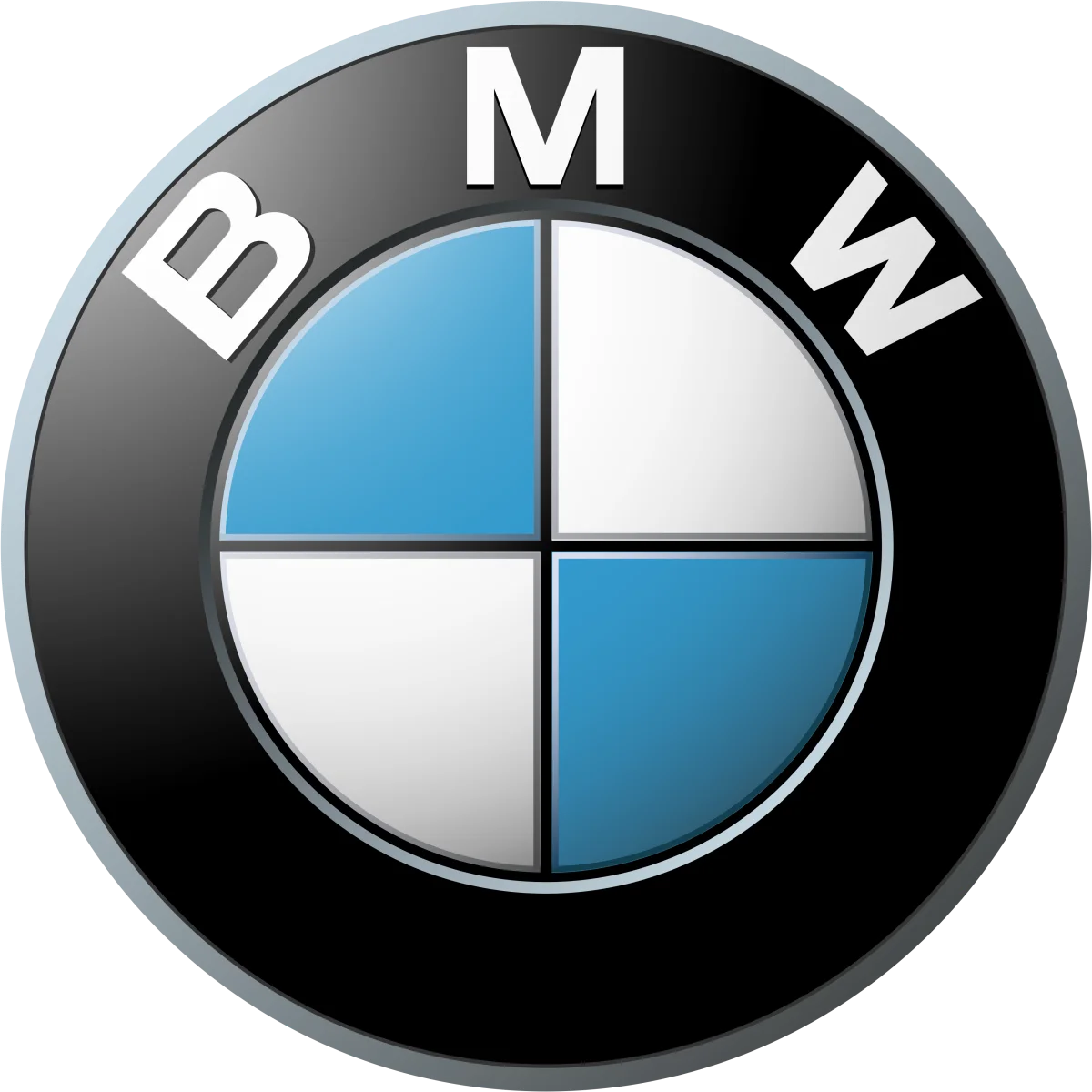
The black outer ring came straight off the badge of Rapp Motorenwerke, the aircraft engine company that BMW grew out of. When the name changed, the ring stayed and the middle got replaced.
What went in the middle was Bavaria. The blue and white quarters are the colors of the Bavarian state flag, which is what you'd expect from a company whose name means Bavarian Motor Works. But look at a Bavarian flag and the order is wrong. The flag runs white first, the badge runs blue first.
That was deliberate, and it was a legal problem rather than a design one. Trademark law at the time barred companies from putting a state's coat of arms or other symbols of sovereignty on commercial insignia. So BMW inverted the sequence, which was close enough to read as Bavaria and different enough to register. The most recognizable badge in the car business is a workaround.
How the myth started, and why nobody stopped it
The propeller version traces to a 1929 ad for BMW aircraft engines, which the company was then building under license for Pratt & Whitney. The ad put the roundel inside a spinning propeller, and a similar one ran again in a BMW aircraft engine publication in 1942. It was an illustration, not an origin story, but it was a good enough image that people took it literally and never let go.
BMW didn't fight it. Fred Jakobs of BMW Group Classic put it plainly: "For a long time, BMW made little effort to correct the myth that the BMW badge is a propeller." Jakobs went further, allowing that "this interpretation has been commonplace for 90 years, so in the meantime, it has acquired a certain justification."
Which is a remarkably relaxed thing for a company historian to say. The myth flatters the brand, ties it to aviation and engineering, and costs nothing, so BMW let it run for most of a century.
There's a lesson in it for anyone who cares how cars look. A badge doesn't mean what it was drawn to mean, it means what people decide it means. BMW has since flattened the roundel, made it transparent on the i8 and later EVs, and blown it up on the nose of nearly everything, and none of that changed the story people tell about it.
Stick a 2002 Turbo next to a new BMW on WhipJury and you'll see how much of a badge's power is the car it's sitting on.
Sources:
The 1917 registration, the Rapp ring, and the inverted Bavarian colors: Carscoops
The 1929 Pratt & Whitney advertisement and the Jakobs quotes: The Drive
Frequently Asked Questions

Jeffrey Wiley has spent more time than he'd like to admit thinking about what makes a car look right. He writes about automotive design, car culture, and the opinions people have strong feelings about. He lives in north Georgia.