DuelsLeaderboardGarageBlogCarsGlossaryBrowse

Rivian Cars

EV · 5 models

Rivian

The R1T pickup and R1S SUV launched as electric off-road specialists. The Amazon delivery vans extend the platform commercially.

EV

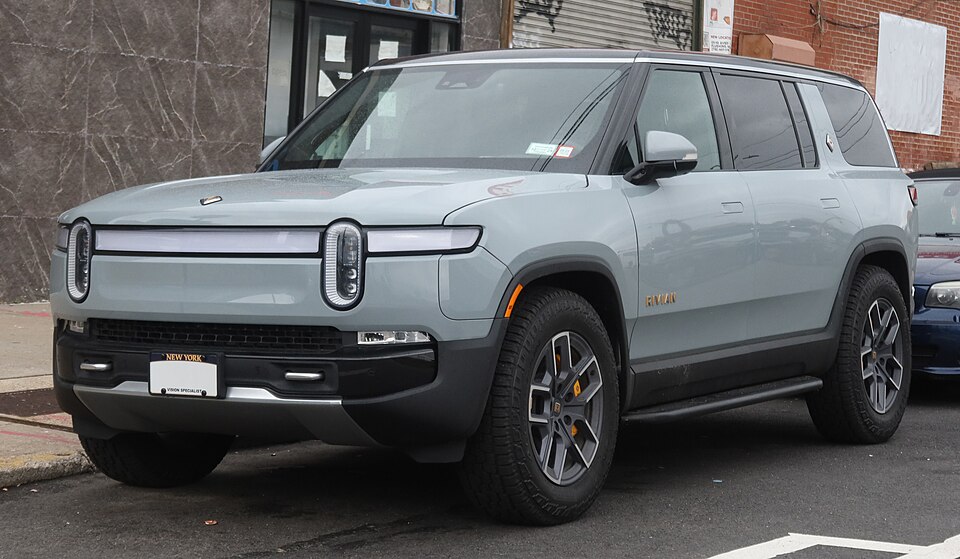
Rivian is the American electric vehicle maker founded in 2009 by RJ Scaringe. The company first delivered production vehicles in 2021 with the R1T pickup and R1S SUV, both built on a shared skateboard platform with quad-motor (one motor per wheel) electric drivetrain and serious off-road capability. The R1T is the first electric pickup truck to reach full production. Quad-motor torque vectoring, 800+ horsepower in launch trim, gear tunnel storage between the cab and bed, and adventure-focused features like a removable kitchen unit. The truck competes with the Ford F-150 Lightning and the GMC Hummer EV in the electric pickup segment. Reviews praised the off-road capability and the engineering integration; common criticisms have been pricing and the brand limited service network. The R1S is the SUV version of the same platform. Three rows of seats, similar quad-motor performance, and similar off-road capability. The R1S has been particularly successful with buyers who want EV power and refinement without the visual statement of a Cybertruck. The R2 (announced 2024, production planned for 2026) is the smaller, more affordable Rivian. SUV body, dual-motor (rather than quad-motor), price point starting around $45,000 to $55,000. The R2 is critical to Rivian financial future as the company seeks to reach mass-market scale. Rivian also produces electric delivery vans for Amazon, with around 100,000 vans on order in a long-term supply agreement. The commercial van program supports the company financially while consumer vehicle production scales up. On WhipJury, Rivian submissions are heavy on R1T pickups (especially with off-road builds), R1S SUVs, and the occasional Amazon EDV (electric delivery van) build. The community appreciates Rivian as a credible third electric vehicle maker after Tesla and Ford.

Rivian models we cover
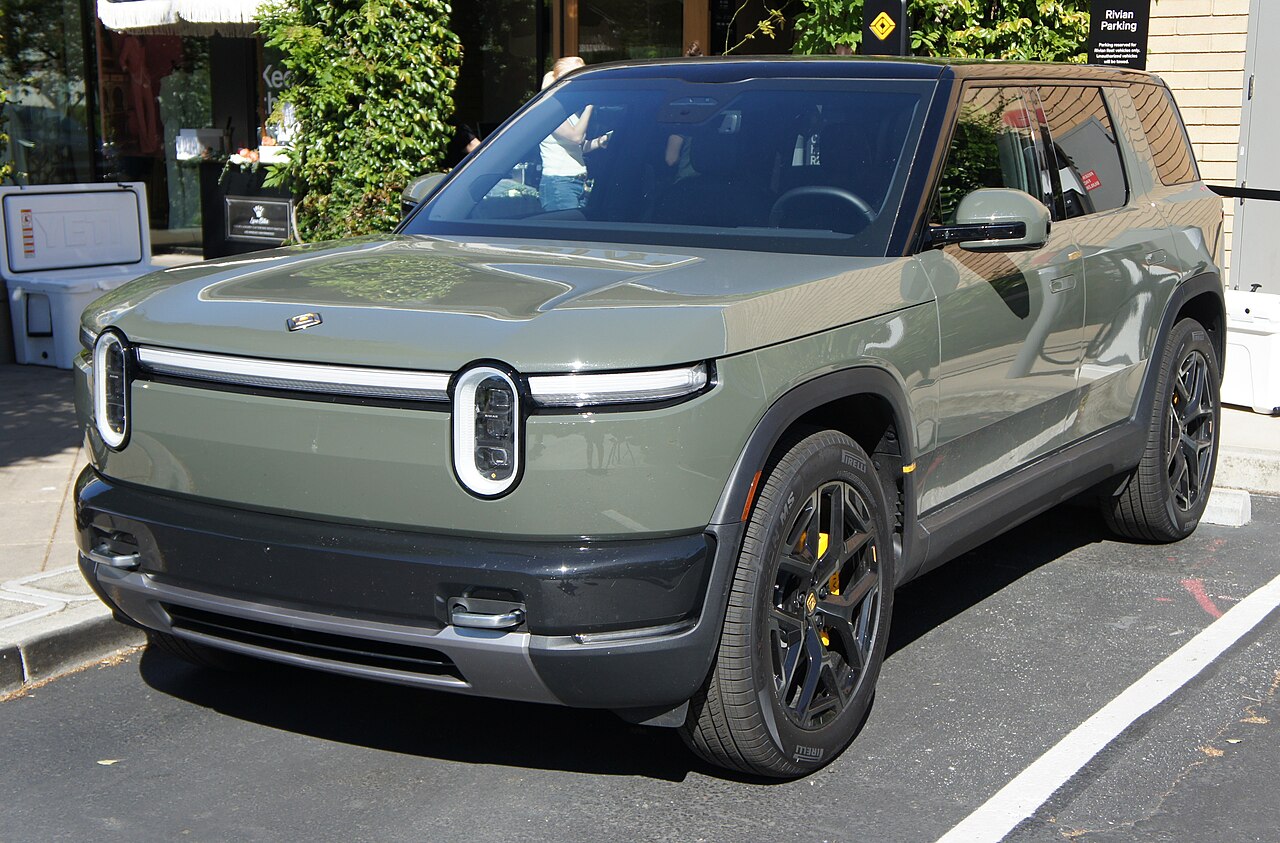
R1S
R1S
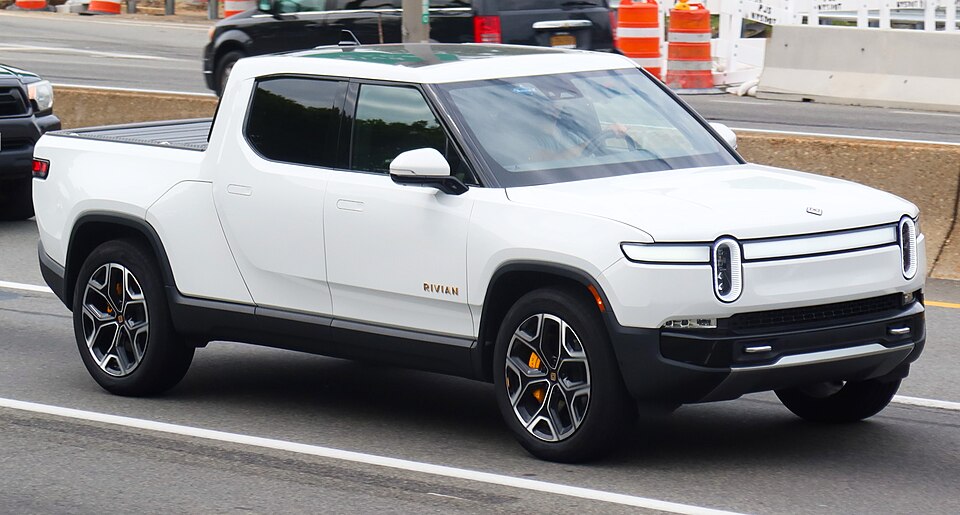
R1T
R1T
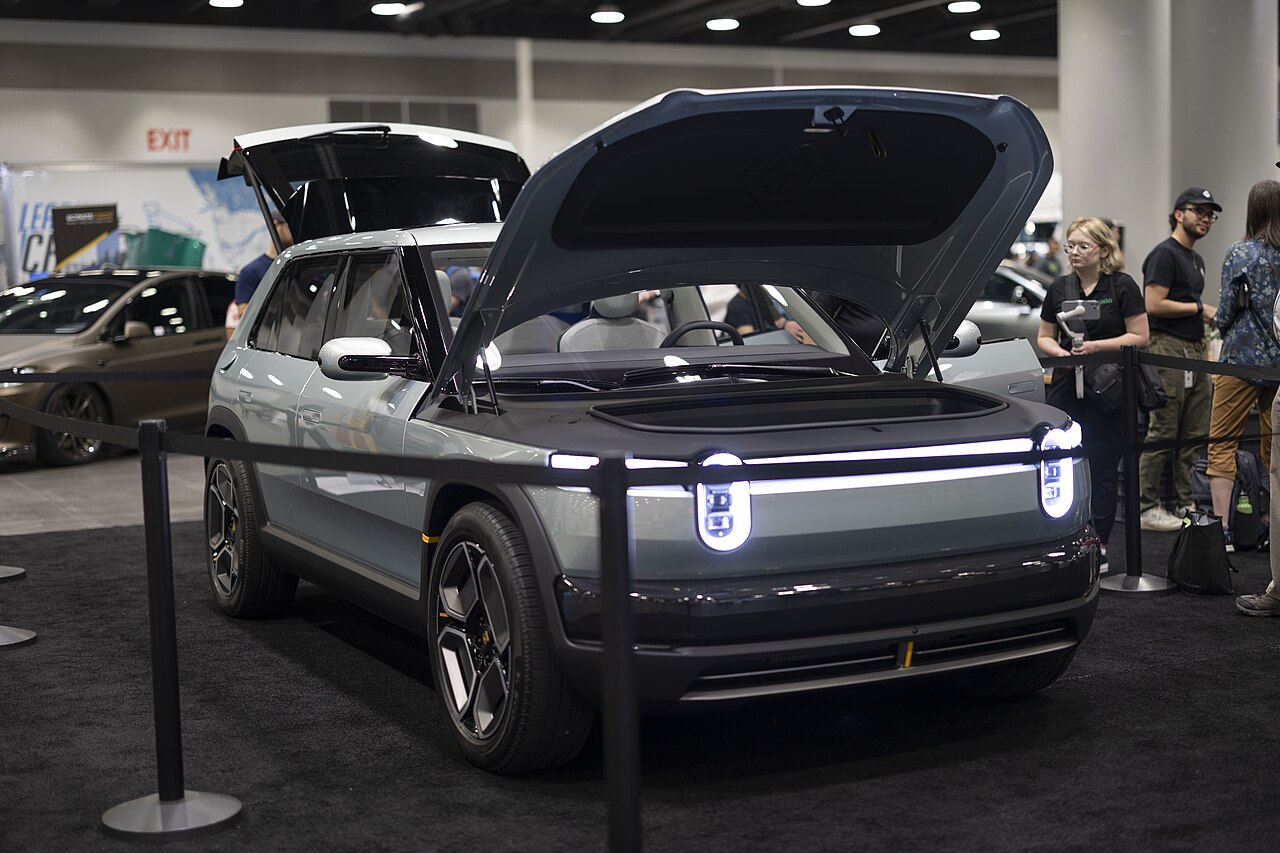
R2
R2
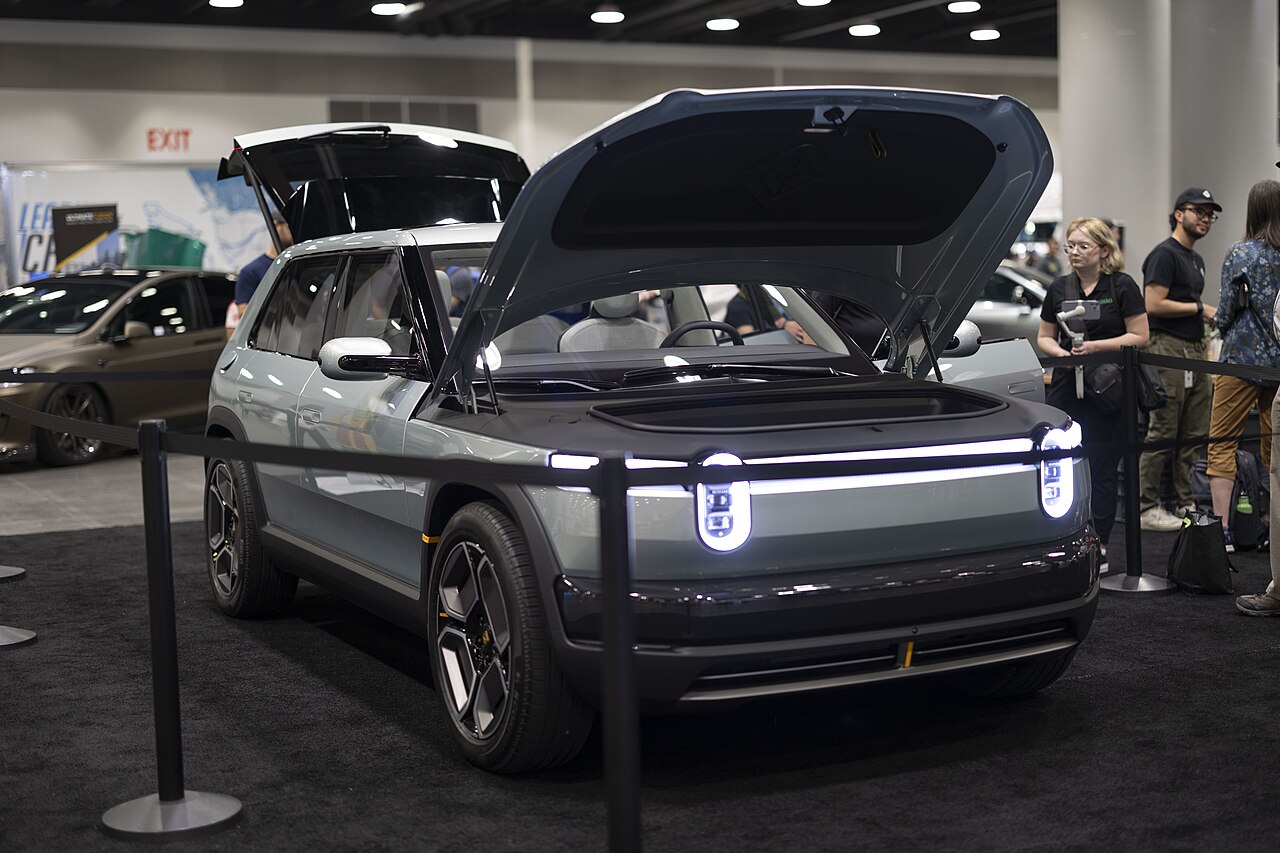
R3
R3
R3X
R3X

The R1T

The R1T launched in late 2021 as the first production electric pickup. Quad-motor configuration, 835 horsepower, around 0-60 in 3.0 seconds in standard trim and faster in Performance Dual-Motor or recent Tri-Motor variants. Off-road capability is genuine: 14.4 inches of ground clearance, 35-degree approach angle, and Rock Crawl mode that uses individual motor control for serious technical terrain. The Gear Tunnel between the cab and bed is unique to Rivian and provides additional weatherproof storage.

The R1S

The R1S shares the R1T platform but with an SUV body and three rows of seats. Off-road capability is similar to the R1T. The R1S has been Rivian sales success in the luxury electric SUV segment, competing with the Tesla Model X and the Mercedes EQS SUV. Build quality and electronic refinement have improved across model years as production processes mature.

Rivian on WhipJury

R1T submissions are common, often with overlanding or off-road accessory builds. R1S submissions are growing as the model ages into the used market. The community here recognizes Rivian engineering ambition and the meaningful differentiation from Tesla. The R2 launch in 2026 is anticipated.

Frequently asked questions about Rivian

How does Rivian quad-motor system work?
Each wheel has a dedicated electric motor. The vehicle computer can apply different torque to each wheel independently, providing precise control for off-road conditions, performance handling, and tank-style turning maneuvers. The system enables capabilities not possible with conventional differentials and provides redundancy if one motor fails.
Is Rivian financially stable?
Rivian has been operating at a loss since IPO and has burned significant capital scaling production. The company has substantial cash reserves and an Amazon investment, plus commercial van revenue. Long-term financial stability depends on R2 launch success and continued cost reductions per vehicle. The 2024-2025 period has been about narrowing losses while scaling production.
How does the R1T compare to a Ford Lightning?
Different focuses. The Ford Lightning is based on the F-150 platform with electric powertrain, optimized for traditional pickup use cases. The Rivian R1T is built ground-up as an EV with adventure focus, including better off-road capability, quad-motor torque vectoring, and unique features (gear tunnel, kitchen). The Lightning is more practical for traditional truck buyers; the R1T is more focused for adventure use.
When will the R2 launch?
Rivian has announced 2026 production targeting for the R2 SUV. The R3 SUV (similar architecture, smaller body) and R3X (sport variant) are also planned. Production timeline depends on factory ramp-up and supply chain stability.
Is the R1S really off-road capable?
Yes, in factory trim. 14.4 inches of ground clearance with air suspension, 35-degree approach angle, 30-degree breakover, and 34-degree departure angle. Rock Crawl mode uses individual motor torque control. The R1S has demonstrated genuine off-road capability in tests and reviews, comparable to luxury SUV off-roaders like the Range Rover.

Rivian on the WhipJury blog

The Last Great Era of American Car Design (And Why It Ended)

American car design peaked twice. The first peak was the 1950s, when post-war prosperity and genuine cultural euphoria produced colors, proportions, and detail work that no subsequent era has matched. The second peak was shorter, more aggressive, and in many ways more interesting: the roughly decade-long window from 1964 to 1974 when American muscle car design produced some of the most visually forceful objects ever put on public roads. Then four things happened simultaneously and it was over within eighteen months...

Electric Cars Have a Design Problem Nobody Is Talking About

Electric vehicles solved the engineering problem. The range improved. The charging infrastructure is building out. The performance numbers are extraordinary. What nobody solved is the design problem, and the design problem is not about styling. It is structural. It is baked into the format at a level that cannot be fixed with better headlights or a more aggressive front end. The best EV designers in the world are working against physics and losing in specific ways that are visible in every faceoff where an EV goes up against a comparable combustion car...

More EV makes

BYDLeapmotorLi AutoLucidNIOPolestarRimacSmartTeslaVinFastXiaomiXPeng