DuelsLeaderboardGarageBlogCarsGlossaryBrowse

Smart Cars

EV · 4 models

Smart

Smart: From Tiny City Car to Electric Crossover

EV

Smart began as a joint venture between Mercedes-Benz and watchmaker Swatch to build the tiniest practical city car imaginable, and has since been reborn as a Mercedes-Benz and Geely electric crossover brand.

Smart models we cover
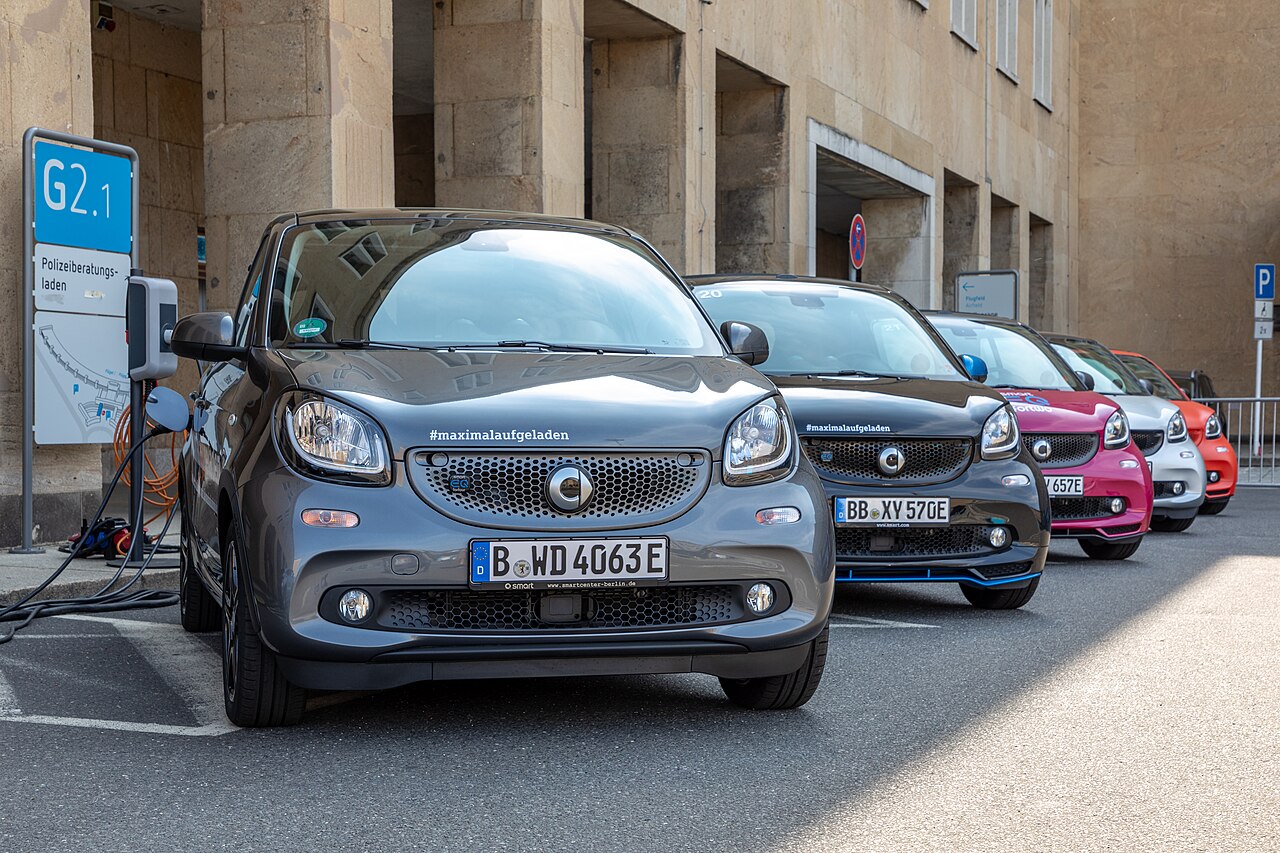
Forfour
Forfour
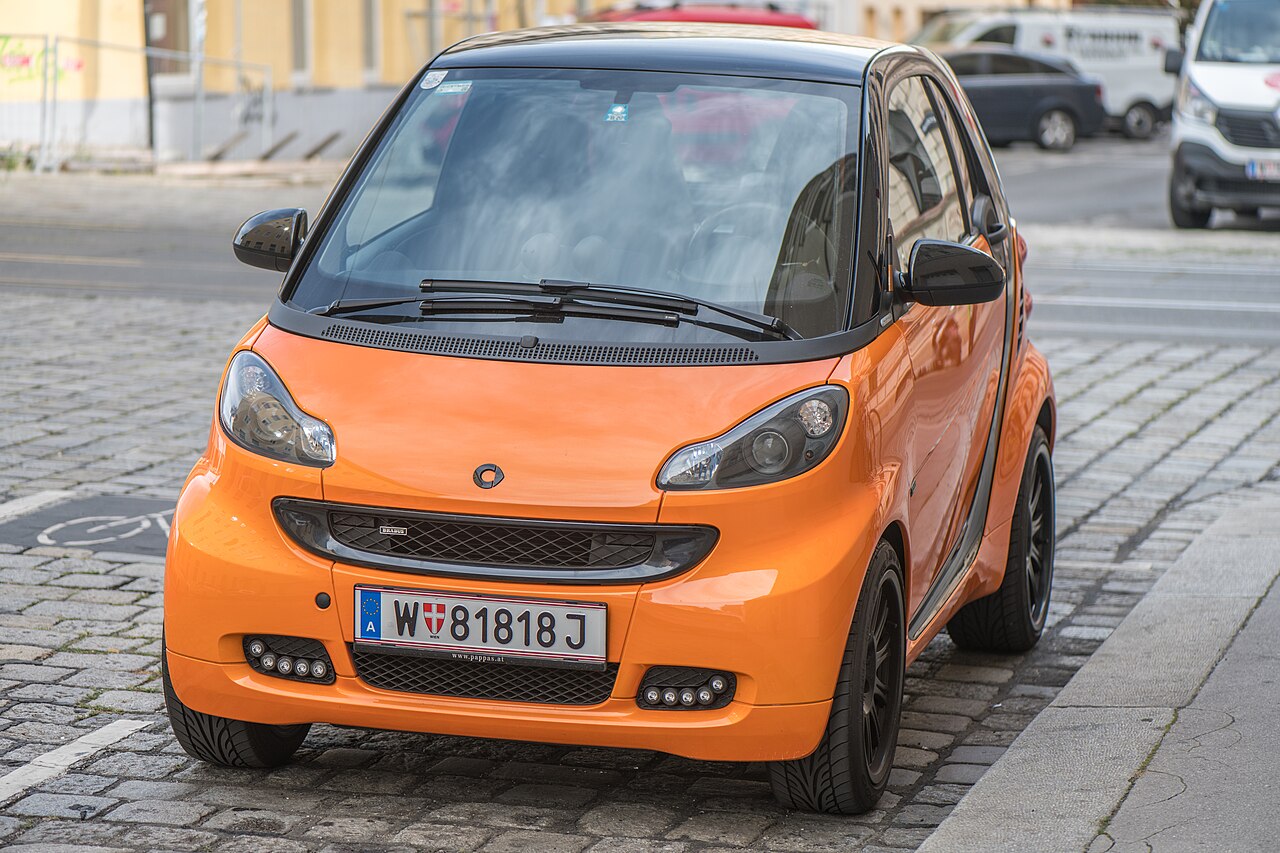
Fortwo
Fortwo
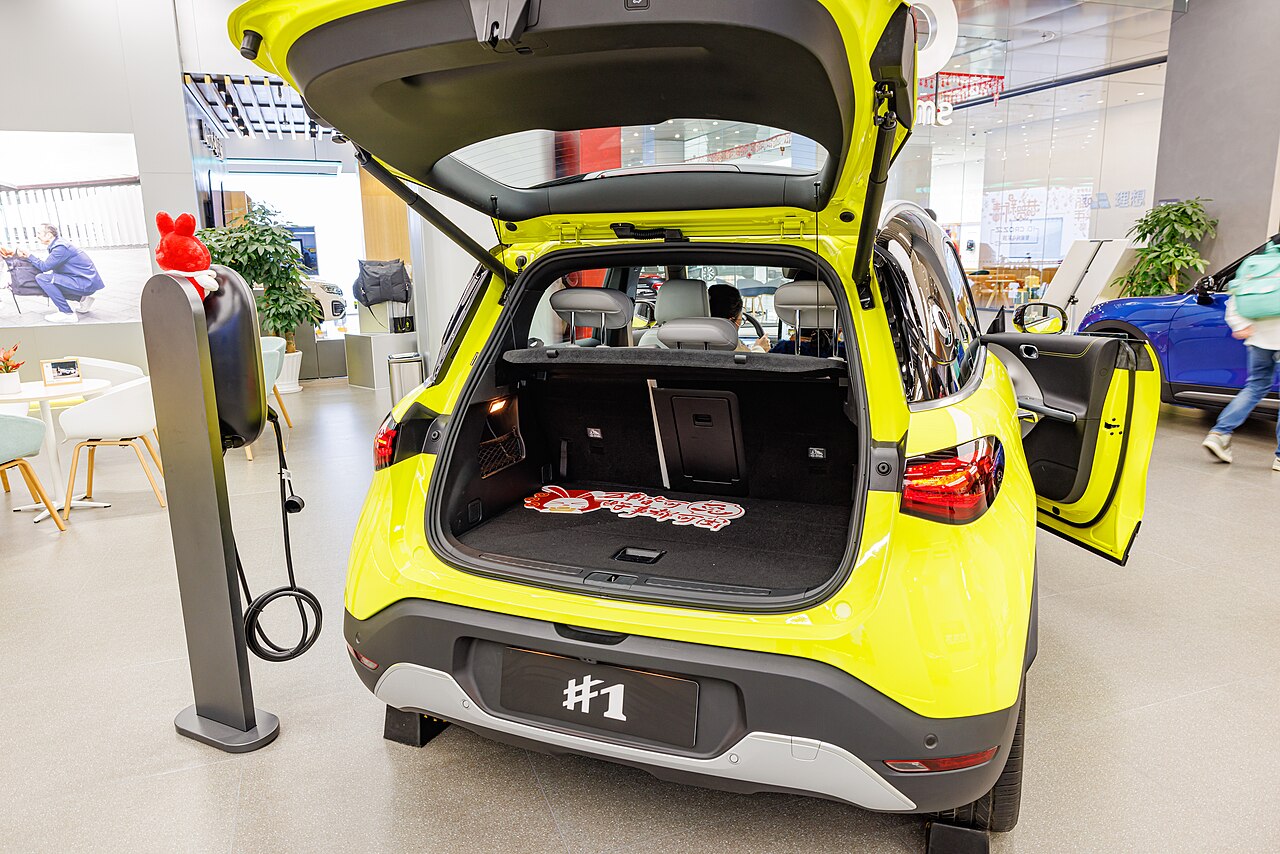
Smart #1
Smart #1
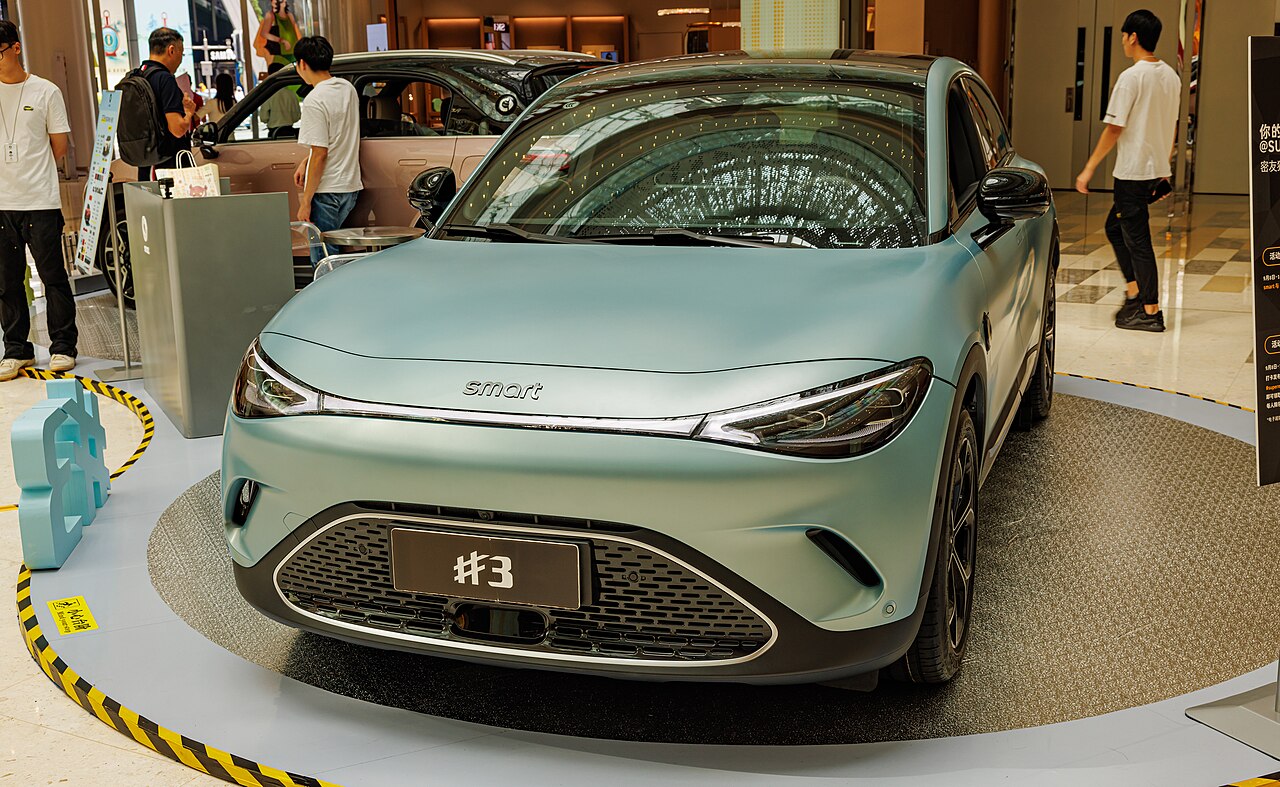
Smart #3
Smart #3

Smart was founded in 1994 as a partnership between Mercedes-Benz and Swiss watch company Swatch, with the name itself standing for Swatch Mercedes ART. The goal was radical for its era: build a car so short it could park nose-in to a curb, easy to thread through crowded European city streets. That vision became the original Fortwo, a two-seat microcar that launched in 1998 and quickly became the face of the brand, instantly recognizable by its stubby proportions and tridion safety cell.

For its first two decades Smart stayed true to that city-car mission, expanding the lineup with the four-seat Forfour and eventually shifting the entire range to electric power with the EQ Fortwo and EQ Forfour. Mercedes-Benz took full ownership of the brand in 2019, but the tiny-footprint formula was reaching its limits in markets outside dense European capitals, where buyers wanted more range, more seats, and more everyday usability.

In 2020 Mercedes-Benz and Chinese automaker Geely formed a new 50-50 joint venture to reinvent Smart for a global electric future. The result is a completely different kind of Smart: compact electric crossovers like the Smart #1 and Smart #3, built on Geely's SEA platform and sold with genuine highway range, modern driver assistance, and SUV-style practicality. The old microcars and the new crossovers could hardly look more different, but both generations share the same core idea of smart, efficient mobility for a changing world.
Frequently asked questions about Smart

Who originally founded Smart?
Smart was founded in 1994 as a joint venture between Mercedes-Benz and Swiss watchmaker Swatch. The name is derived from Swatch Mercedes ART, reflecting the goal of applying watchmaking precision and Swatch's design flair to a tiny, efficient city car. The first product, the Fortwo, launched in 1998.
Is Smart still owned by Mercedes-Benz?
Mercedes-Benz took full ownership of Smart in 2019 after buying out Swatch's remaining stake years earlier, but in 2020 it formed a new 50-50 joint venture with Chinese automaker Geely. That partnership now develops and builds every current Smart model, including the Smart #1 and Smart #3.
Why did Smart move away from tiny two-seat cars?
The original Fortwo and Forfour were designed for dense European city driving, where their extremely short length made parking easy. Outside those markets, buyers wanted more range, more seats and more everyday usability, so the Mercedes-Benz/Geely joint venture repositioned Smart around compact electric crossovers instead.
What platform do the new Smart electric crossovers use?
The Smart #1 and Smart #3 are built on Geely's SEA (Sustainable Experience Architecture) platform, the same modular electric architecture that underpins vehicles like the Volvo EX30 and Zeekr X. This gives the new Smart models genuine highway range and modern electric performance.
Does Smart still sell gasoline-powered cars?
No. Smart's earlier gasoline Fortwo and Forfour models have been phased out, and every model in the current lineup, including the electric EQ Fortwo generation and the newer Smart #1 and Smart #3, is fully electric.

Smart on the WhipJury blog

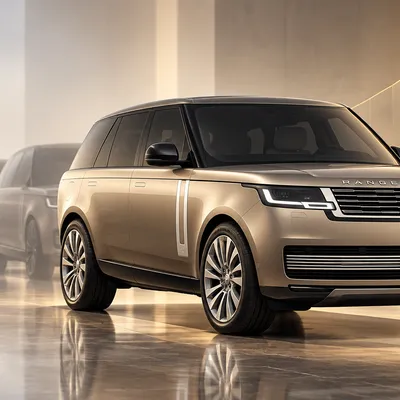
Range Rover doesn’t want to sell more cars. It wants to make each one worth more

Range Rover's marketing director says the brand's job "really is not to sell lots and lots of cars" but to build value, with managing director Martin Limpert aiming to be "in the modern luxury business" through one-to-one bespoke commissions. It's also a smart answer to the Chinese copies problem.

Why the Minivan Died (and Why That's a Little Sad)

Americans bought 1.3 million minivans in 2000 and about 306,000 in 2023. The minivan didn't get worse, it got better right up until almost nobody wanted one. The SUV offered the same space with a tougher look, and the soccer-mom stigma finished the job. The cool wagons died in the same wave.

Why the Kia Sorento Is a Great Value

The Kia Sorento occupies a specific and underrated spot in the three-row SUV market: it's smaller and cheaper than the full-size three-row crowd while still offering genuine three-row functionality. Starting at $33,885 for 2026...

The One Feature That Makes Any Car Look Instantly Cheaper

It's not the badge. It's not the wheel size. It's not even the color, though color contributes. The single feature that makes any car look cheaper than it is, regardless of what it cost, regardless of how good the rest of the design is, is unpainted plastic cladding on the lower body panels...

More EV makes

BYDLeapmotorLi AutoLucidNIOPolestarRimacRivianTeslaVinFastXiaomiXPeng