Tesla Cars
EV · 8 models

The Roadster proved EVs could be fun. The Model S Plaid runs sub-2-second 0-60. The Cybertruck is the polarizing reset of pickup design.
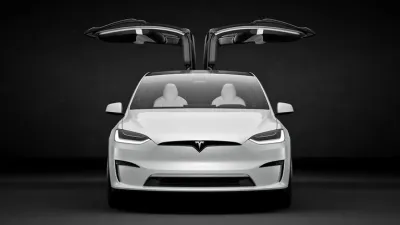
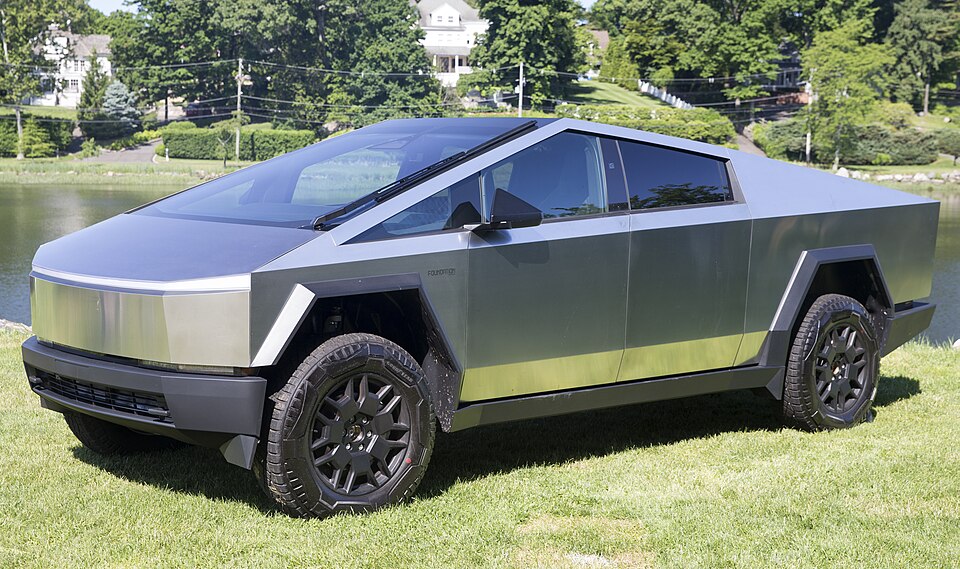
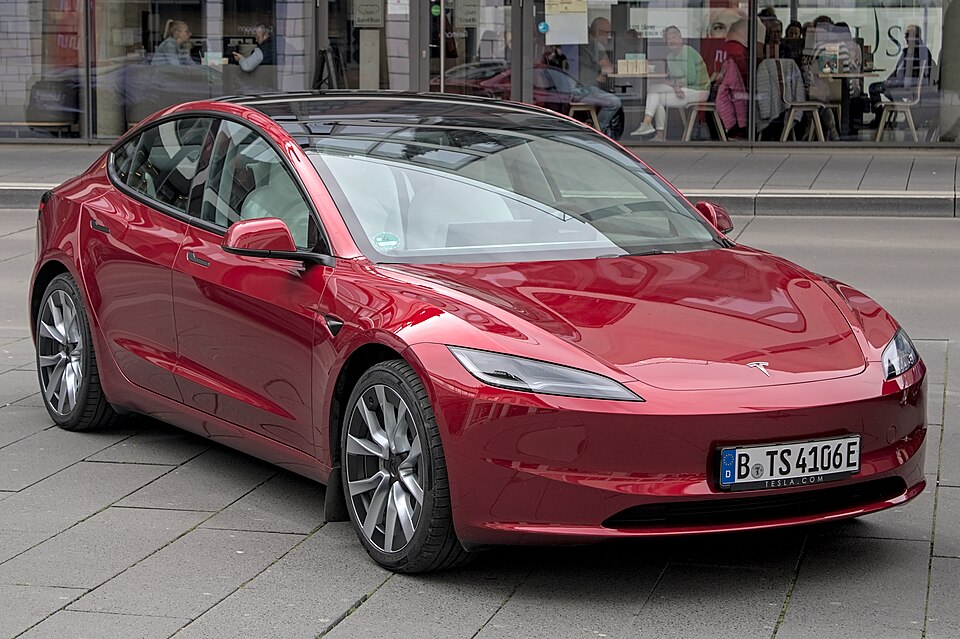
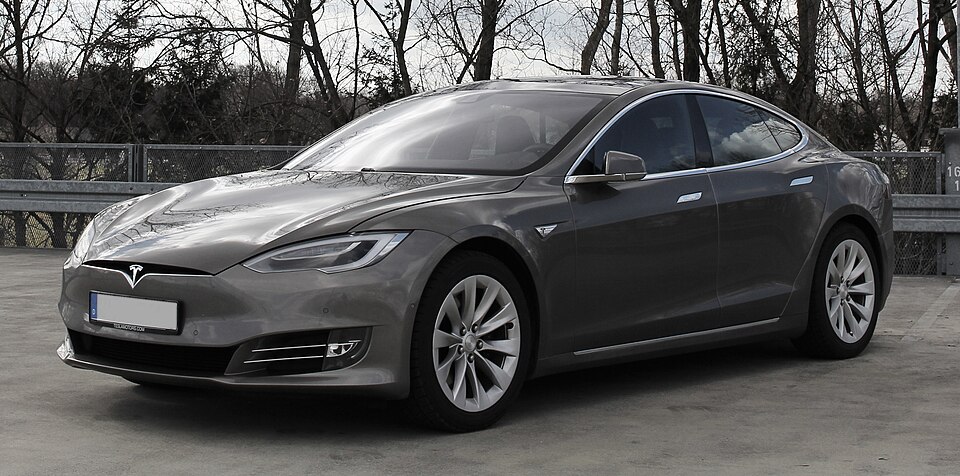
EVTesla is the American electric vehicle maker, founded in Silicon Valley in 2003 by Martin Eberhard and Marc Tarpenning, with Elon Musk joining as Chairman in 2004 and CEO in 2008. The company moved its headquarters from Palo Alto to Austin, Texas in 2021. The company is widely credited with reinventing the modern EV and forcing the established automotive industry to take electric powertrains seriously. Tesla has been consistently profitable since 2020 and remains the largest EV maker by market capitalization globally. The original Roadster (2008-2012) was the proof of concept. A Lotus Elise chassis with a Tesla-developed electric powertrain making 248 horsepower, 0-60 in 3.7 seconds. The Roadster proved EVs did not need to be slow or boring, and despite small production volumes (around 2,500 cars total) the model established Tesla credibility in the performance segment. The Model S launched in 2012 as the brand first ground-up EV. Long-range battery options, dual-motor AWD variants, and progressive performance increases over time. The Model S Plaid (2021+) makes 1,020 horsepower with three motors and runs 0-60 in around 1.99 seconds. The Model 3 (2017-present) is the volume seller. The Model X (2015+) is the larger SUV with falcon wing doors. The Model Y (2020+) is the smaller, more affordable SUV. The Cybertruck (2023+) is the polarizing pickup with stainless steel exoskeleton design. The Roadster successor (announced multiple times since 2017) is in indefinite delay. The Supercharger network (now opening to non-Tesla EVs as the NACS connector becomes standard) has been a major Tesla advantage. Software updates, autopilot, and over-the-air feature additions have changed how EVs work as products. The brand also produces residential and commercial energy storage and solar products. On WhipJury, Tesla submissions are heavy on Model 3 and Model Y (volume products), Model S Plaid (performance halo), Cybertrucks (cultural interest), and the rare original Roadster.
Top Tesla cars on WhipJury
Tesla models we cover
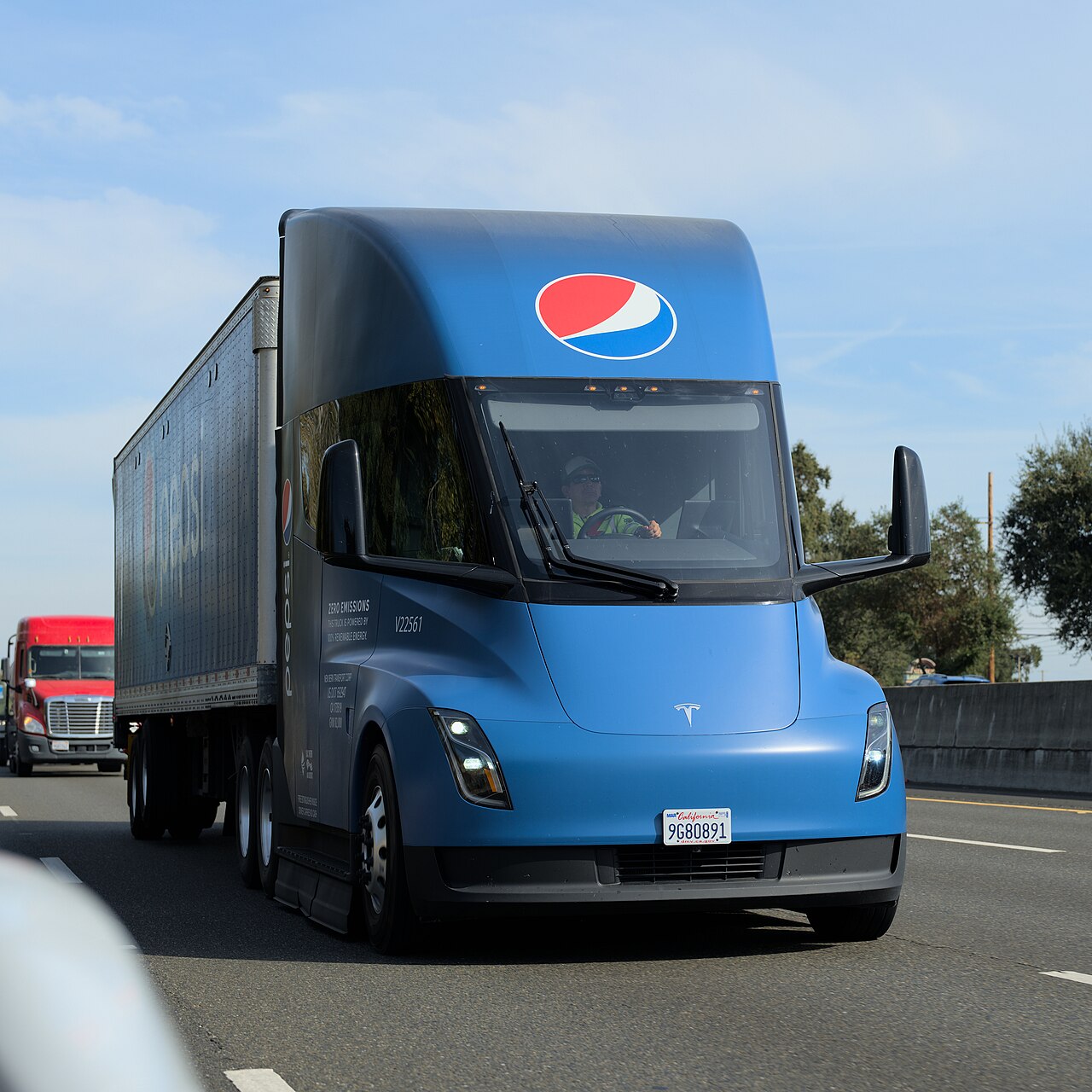
The lineup evolution
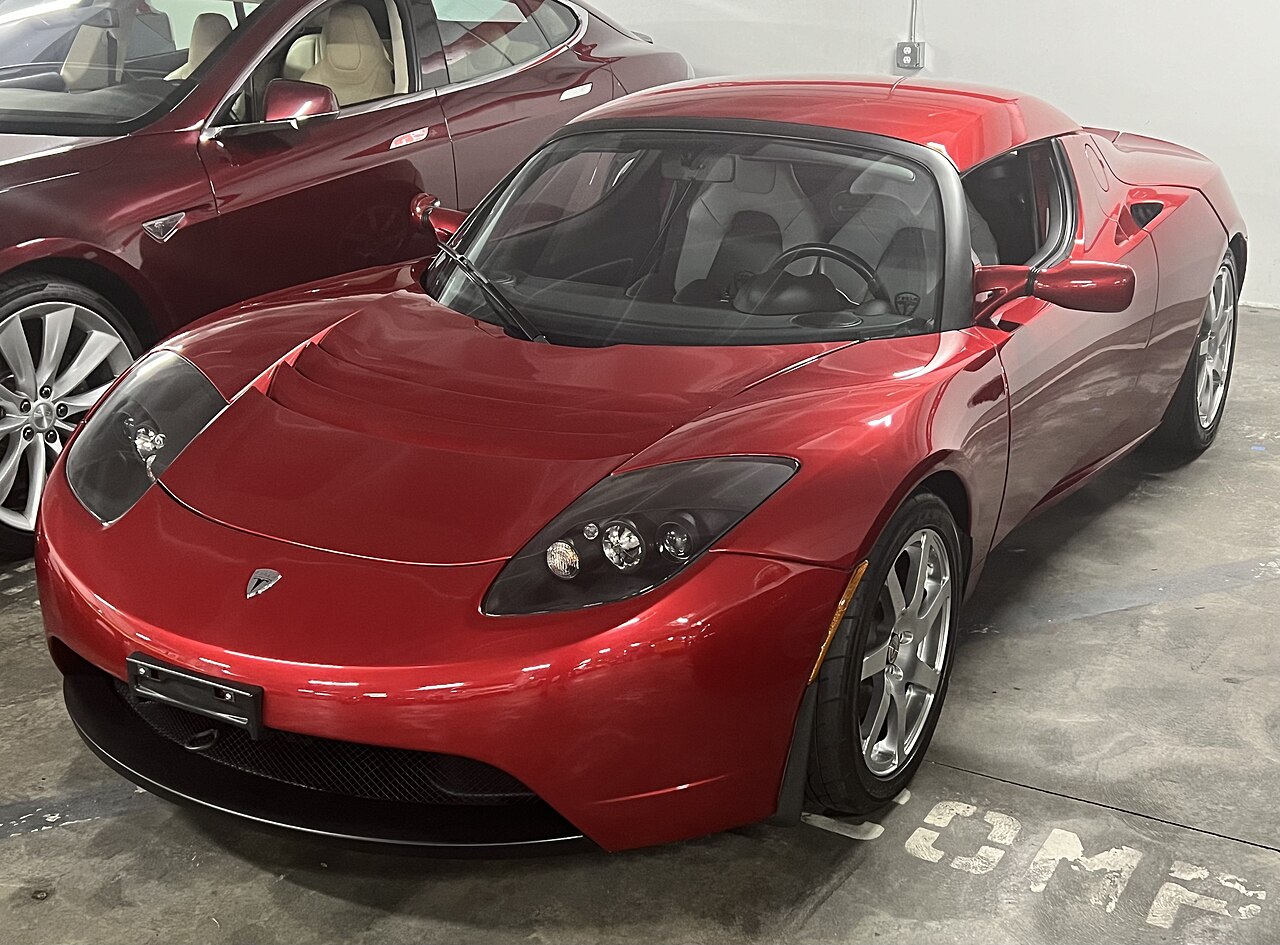
Roadster (2008-2012). Lotus Elise-derived chassis, Tesla powertrain. The proof of concept that proved EVs could be desirable.
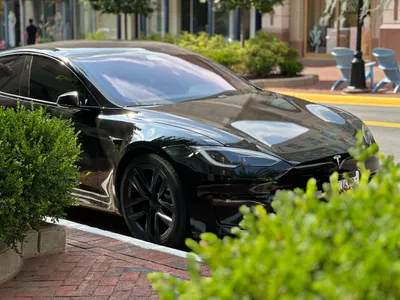
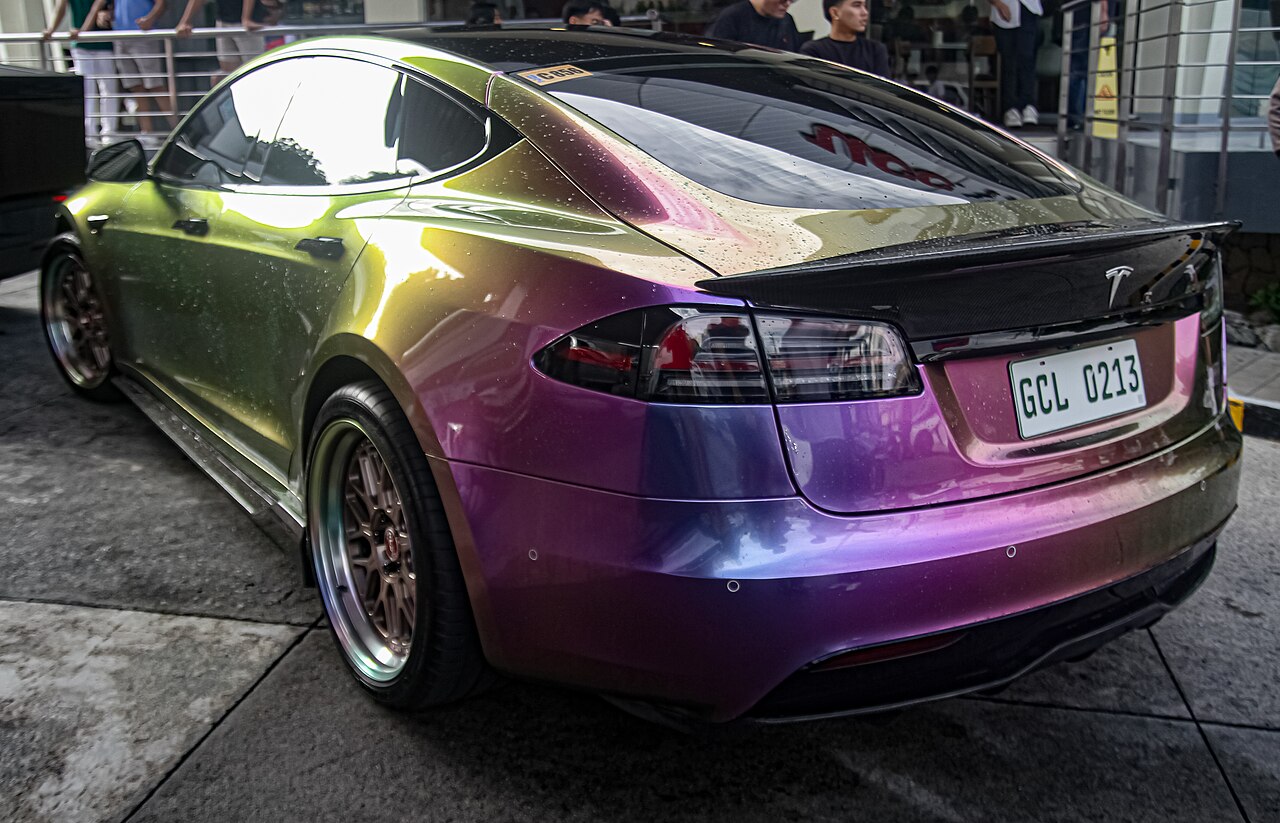
Model S (2012-present). First ground-up Tesla. Multiple battery and powertrain configurations over the years. Plaid variant added 2021.
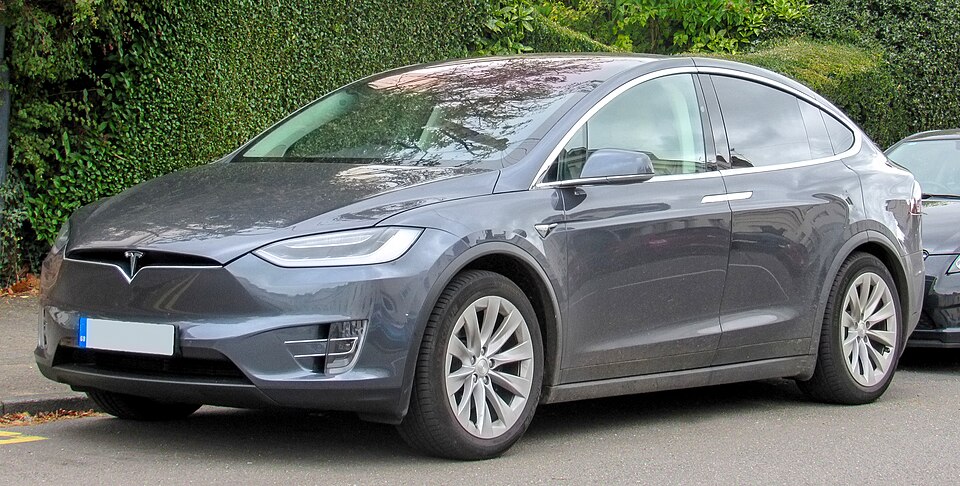
Model X (2015-present). SUV variant of the Model S. Falcon wing doors and seven-seat capacity.
Model 3 (2017-present). Mass-market sedan. Made Tesla profitable. Delivers volumes that established makers spent decades building toward.
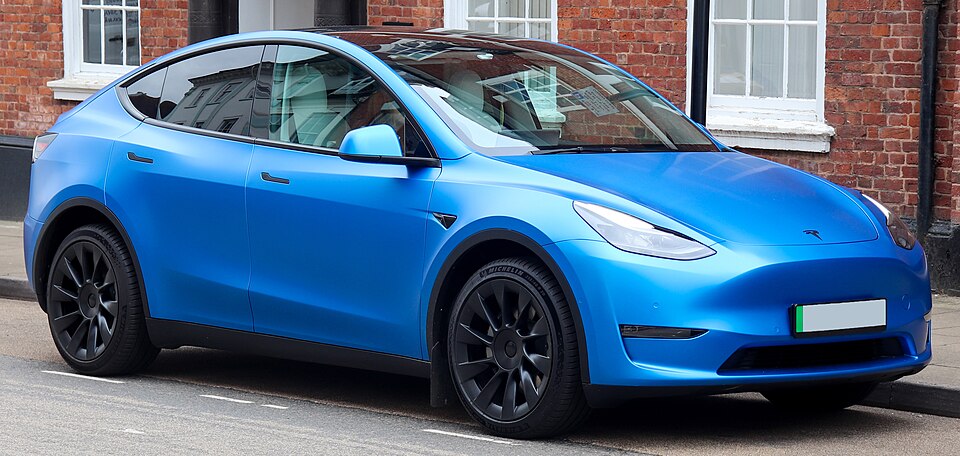
Model Y (2020-present). Crossover SUV based on Model 3 platform. Now Tesla volume seller globally.
Cybertruck (2023-present). Stainless steel exoskeleton pickup. Polarizing styling. Tri-motor and dual-motor variants. Tesla most controversial product.
Roadster successor. Announced 2017 with promised production by 2020. Now in indefinite delay. Promised performance numbers were extreme even by EV standards.
Tesla on WhipJury
Model 3 and Model Y submissions are common given the volumes on the road. Model S Plaid examples reliably do well in voting on performance numbers. Cybertruck submissions are increasingly common and generate strong opinions in either direction. The original Roadster is essentially a unicorn but always memorable when posted.