DuelsLeaderboardGarageBlogCarsGlossaryBrowse

Overlanding

Car culture term

Overlanding
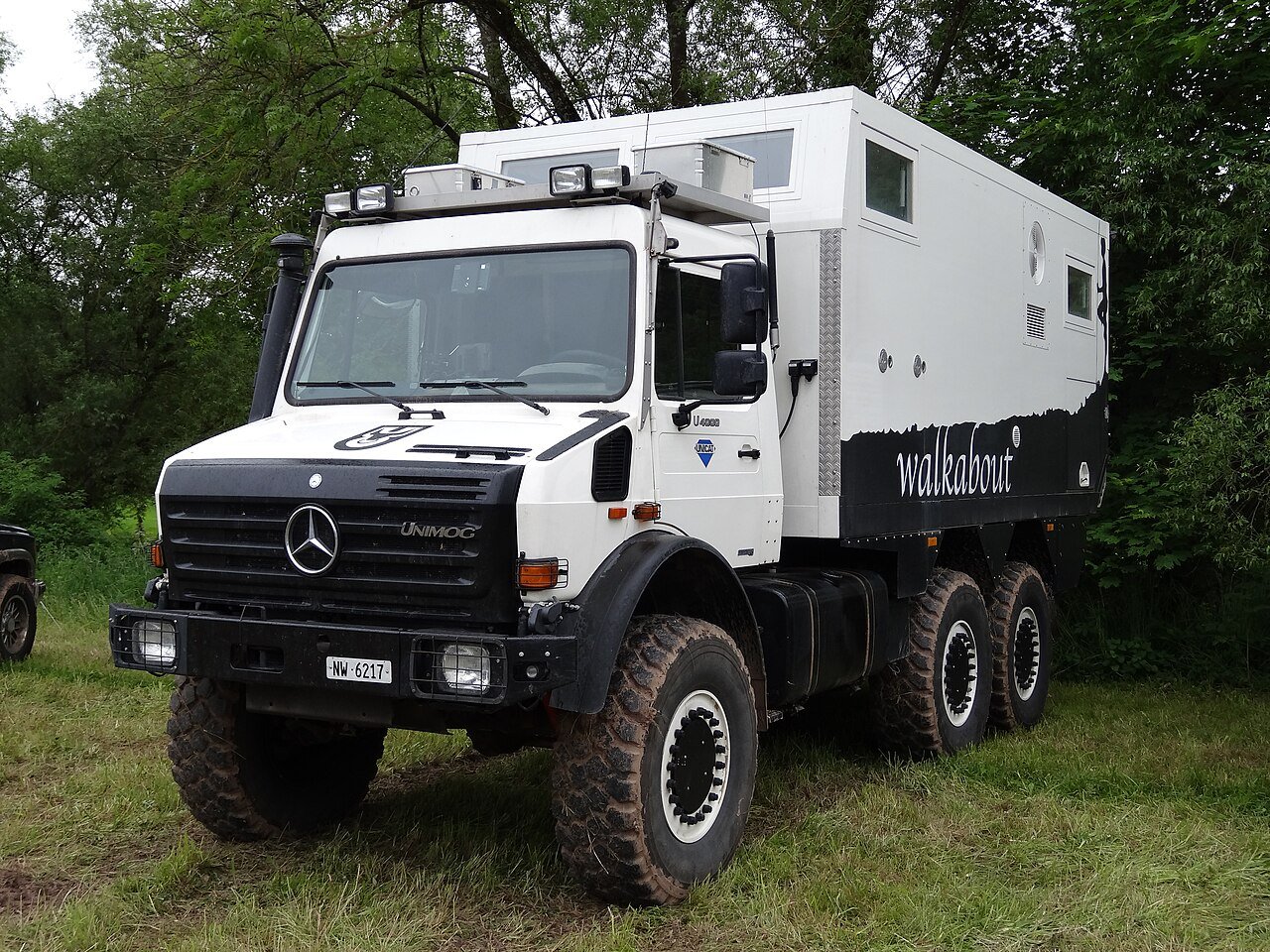
Photo: Klaus Nahr from Germany / Wikimedia Commons · CC BY-SA 2.0

What is Overlanding?

Overlanding is self-reliant, vehicle-based travel over long distances and remote terrain, combining camping and exploration with a vehicle built to carry its own fuel, water, shelter, and recovery gear.

Overlanding is a style of travel centered on the journey itself, using a capable vehicle to reach remote areas and camp along the way, rather than driving to a single fixed destination. Trips can range from weekend routes a few hours from home to multi-week or multi-month expeditions crossing states, countries, or continents, but the common thread is self-sufficiency: the vehicle and its occupants need to carry enough fuel, water, food, and shelter to operate away from regular services for extended stretches.

The build culture that surrounds overlanding reflects that self-reliance. Common additions include roof-top tents for quick, off-ground sleeping setups, auxiliary fuel and water tanks or jerry can mounts to extend range between fill-ups, drawer systems and roof racks for organized storage, upgraded suspension and larger tires for comfort and clearance over rough roads, and recovery gear such as traction boards, winches, and tow straps for getting unstuck in remote conditions. Body-on-frame trucks and SUVs are especially popular platforms because their separate frame tolerates the added weight and stress of this equipment better than a unibody car.

Overlanding is often confused with rock crawling or pure off-roading, but the two pursuits have different goals. Rock crawling is about technical, low-speed obstacle navigation over extreme terrain, usually on short, dedicated trails, with vehicles heavily modified for maximum articulation and ground clearance. Overlanding prioritizes covering distance and living out of the vehicle comfortably over days or weeks, so builds tend to balance off-road capability against reliability, fuel range, and cargo capacity rather than maximizing extreme terrain performance alone.

Related terms

Body-on-frameWheelbaseAWDGray Market ImportJDM

Frequently asked questions

What is the difference between overlanding and off-roading?
Off-roading and rock crawling focus on technical terrain navigation, often over short, dedicated trails. Overlanding focuses on self-reliant travel and camping over longer distances and durations, treating off-road capability as one requirement among several rather than the main goal.
What gear is essential for overlanding?
Common essentials include a roof-top or ground tent, extra fuel and water storage, recovery gear such as traction boards and a winch, a reliable navigation and communication setup, upgraded tires and suspension for rough roads, and organized storage for food, tools, and camping equipment.
Why are body-on-frame trucks and SUVs preferred for overlanding builds?
A separate frame better tolerates the added weight of roof tents, storage systems, and auxiliary tanks, and it typically offers more straightforward suspension and drivetrain upgrades than a unibody vehicle, along with the durability many overlanders want for remote, rough-road travel.
Do you need a four-wheel-drive vehicle to go overlanding?
Not always. Many overlanding routes are manageable in a capable two-wheel-drive vehicle with good clearance, but four-wheel drive or all-wheel drive significantly expands the terrain and weather conditions a vehicle can handle, which is why it remains the norm for serious overland builds.
How long do overlanding trips typically last?
Trips vary widely, from single weekend outings a short drive from home to multi-week regional routes to multi-month or multi-year continental expeditions, and the term applies to any of these as long as the vehicle is set up to support self-sufficient travel and camping.
Back to Glossary