Rivian R1T
EV · Rivian
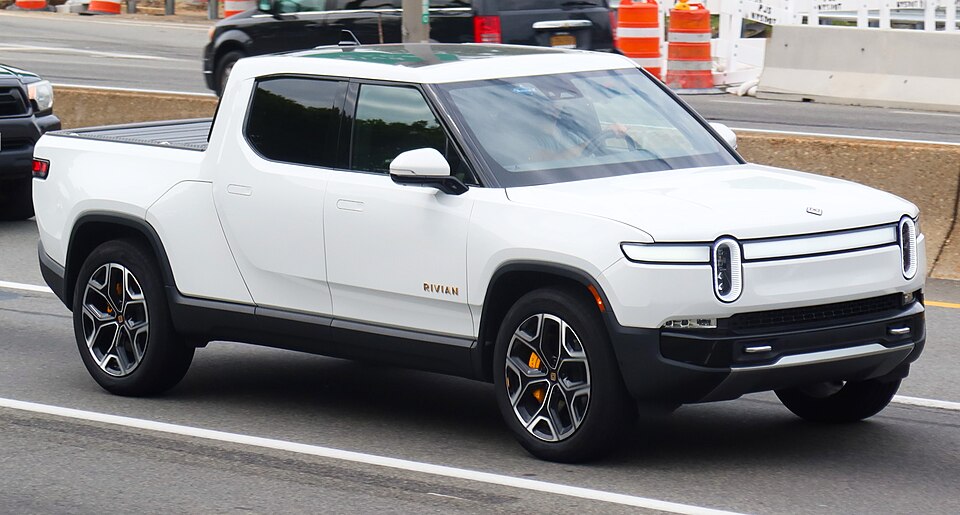
Rivian's electric pickup. Quad-motor torque vectoring, 835 horsepower in launch trim, tri-motor variant from late 2024.
The Rivian R1T launched in late 2021 as the first production electric pickup truck. The R1T uses Rivian quad-motor configuration (one motor per wheel), providing up to 835 horsepower in launch trim and unprecedented torque vectoring control for an electric pickup. The car has been widely praised for off-road capability, engineering integration, and unique features like the gear tunnel. The R1T comes in multiple variants. Quad-motor (835 horsepower in launch). Dual-motor (700 horsepower). Tri-motor (recently announced for late 2024+). The Performance Dual-Motor and Tri-Motor offer faster acceleration; the Standard Dual-Motor balances range and performance. The R1T has built a strong reputation among off-road and overland enthusiasts. The off-road capability is genuine: 14.4 inches of ground clearance with air suspension, locking differentials, and Rock Crawl mode that uses individual motor control for serious technical terrain. The R1T has demonstrated genuine off-road capability comparable to dedicated off-road vehicles. On WhipJury, R1T submissions are increasingly common. Modified R1T examples with various overland modifications appear regularly. The community recognizes the R1T as a meaningful EV pickup option.
R1T variants
Dual-Motor (Standard). 533 horsepower combined.
Performance Dual-Motor. 665 horsepower combined.
Quad-Motor. 835 horsepower combined. Maximum off-road capability.
Tri-Motor (announced 2024). 1,025 horsepower combined.
Frequently asked questions about Rivian R1T
More on the Rivian R1T

American car design peaked twice. The first peak was the 1950s, when post-war prosperity and genuine cultural euphoria produced colors, proportions, and detail work that no subsequent era has matched. The second peak was shorter, more aggressive, and in many ways more interesting: the roughly decade-long window from 1964 to 1974 when American muscle car design produced some of the most visually forceful objects ever put on public roads. Then four things happened simultaneously and it was over within eighteen months...
Electric vehicles solved the engineering problem. The range improved. The charging infrastructure is building out. The performance numbers are extraordinary. What nobody solved is the design problem, and the design problem is not about styling. It is structural. It is baked into the format at a level that cannot be fixed with better headlights or a more aggressive front end. The best EV designers in the world are working against physics and losing in specific ways that are visible in every faceoff where an EV goes up against a comparable combustion car...