What is Rotary Engine?
A rotary engine uses a spinning triangular rotor inside an oval housing instead of pistons, producing power through rotation rather than up-and-down motion.
A rotary engine, more precisely called a Wankel rotary engine after its inventor Felix Wankel, replaces the pistons and cylinders of a conventional engine with a triangular rotor spinning inside an epitrochoid-shaped (oval-like) housing. As the rotor turns, the three points of the triangle trace the housing's inner wall, and the space between each point and the wall continuously expands and contracts, creating the same intake, compression, combustion, and exhaust phases as a piston engine, but through pure rotation. This eliminates the reciprocating mass of pistons and connecting rods, letting rotary engines rev higher and run smoother than similarly sized piston engines.
Mazda is the manufacturer most associated with the rotary engine, having refined the design across decades of production in cars including the RX-7, RX-8, and earlier RX-3 and Cosmo models, as well as the Le Mans-winning 787B race car. Rotary engines are compact and lightweight relative to their power output and are known for a distinctive high-pitched exhaust note and eagerness to rev well past the redline of a comparable piston engine. Because the design produces less torque per unit of displacement than a piston engine, rotary-powered cars are typically built light and geared to exploit the engine's high-RPM power delivery.
The rotary engine's chief mechanical vulnerability is its apex seals, the components at each tip of the rotor that maintain the seal against the housing wall. These seals wear faster than piston rings under sustained high RPM or poor maintenance, leading to compression loss, and rotary engines also consume oil by design since a small amount is metered into the combustion chamber to lubricate the seals. Mazda ended series production of the rotary in the RX-8 in 2012, though it has since reintroduced a rotary engine as a range extender in later hybrid concept and production vehicles.
Related terms
Frequently asked questions
Rotary Engine on the blog
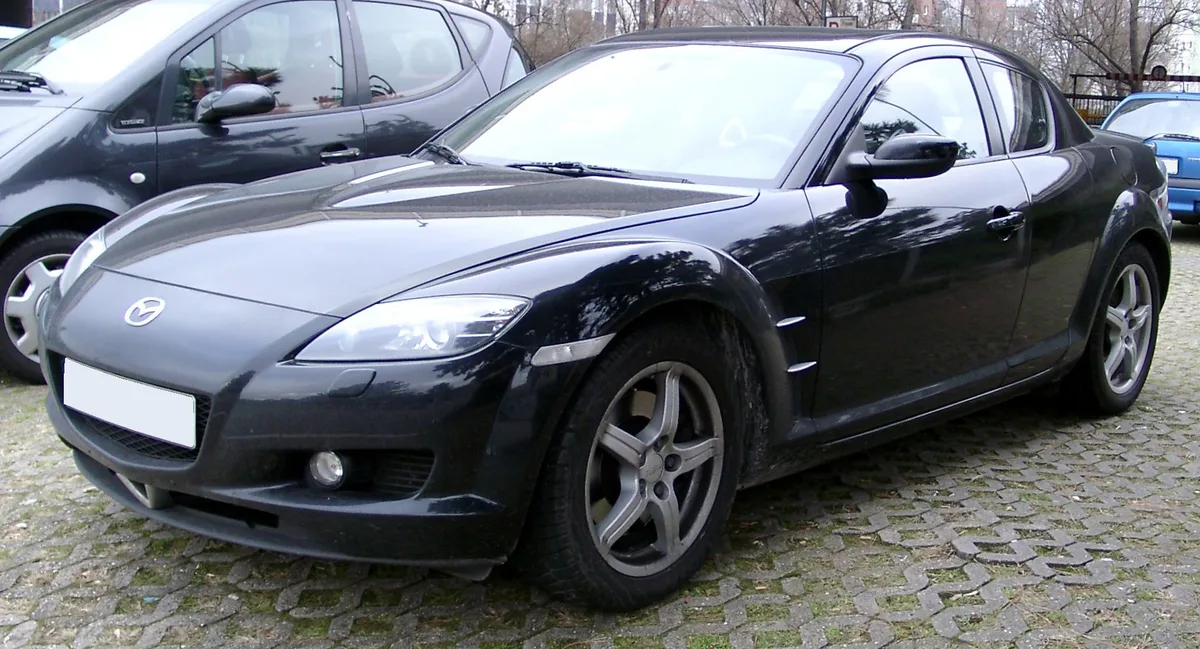
The Mazda RX-8 ran from 2003 to June 2012 with 192,094 built. Its Renesis twin-rotor made 189 to 238 hp and revved to 9,000 rpm, and rear-hinged freestyle doors gave it four real seats while still looking like a coupe. Emissions rules and falling sales ended it.
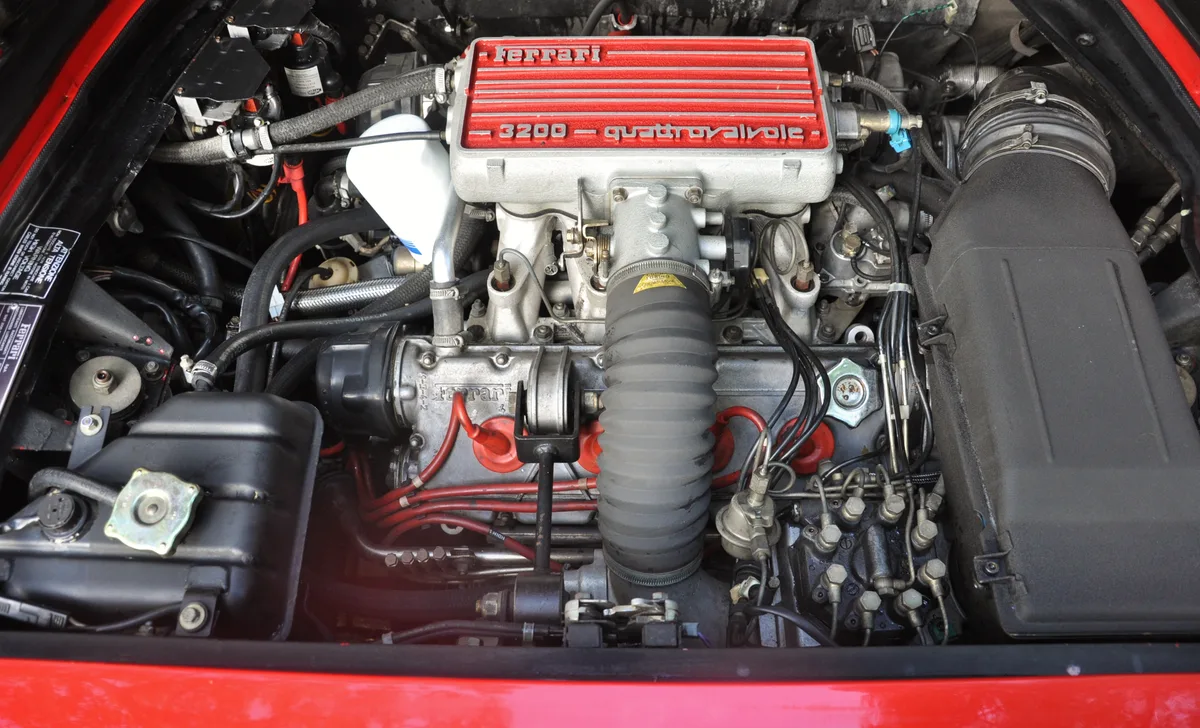
An American V8 rumbles and a Ferrari V8 screams because of the crankshaft. Cross-plane cranks fire unevenly between banks and produce the lopey rumble; flat-plane cranks alternate perfectly and rev higher for that howl. Here's also why an inline-six is the smoothest engine you can buy.

Mitsubishi revealed a fifth-generation Pajero on September 2, a body-on-frame SUV built in Thailand and aimed at the Toyota Land Cruiser. It is the first new Pajero since 2021, with a ladder frame from the Triton pickup, 9.1 inches of ground clearance, and a 2.4-liter turbodiesel.
A rotary engine makes power in a completely different way: no pistons pumping up and down, just a triangular rotor spinning in an oval housing. It is smooth, compact, and loves to rev, and it is also thirsty and fragile. Here is how the Wankel works and why the Mazda RX-7 keeps its cult alive anyway.