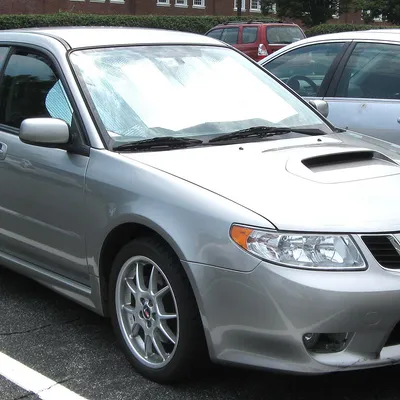
Saab Cars
Euro · 10 models

Swedish quirk done well. The 99 Turbo invented the modern turbocharged road car. The 900 was the apartment of cars. The brand died in 2012.
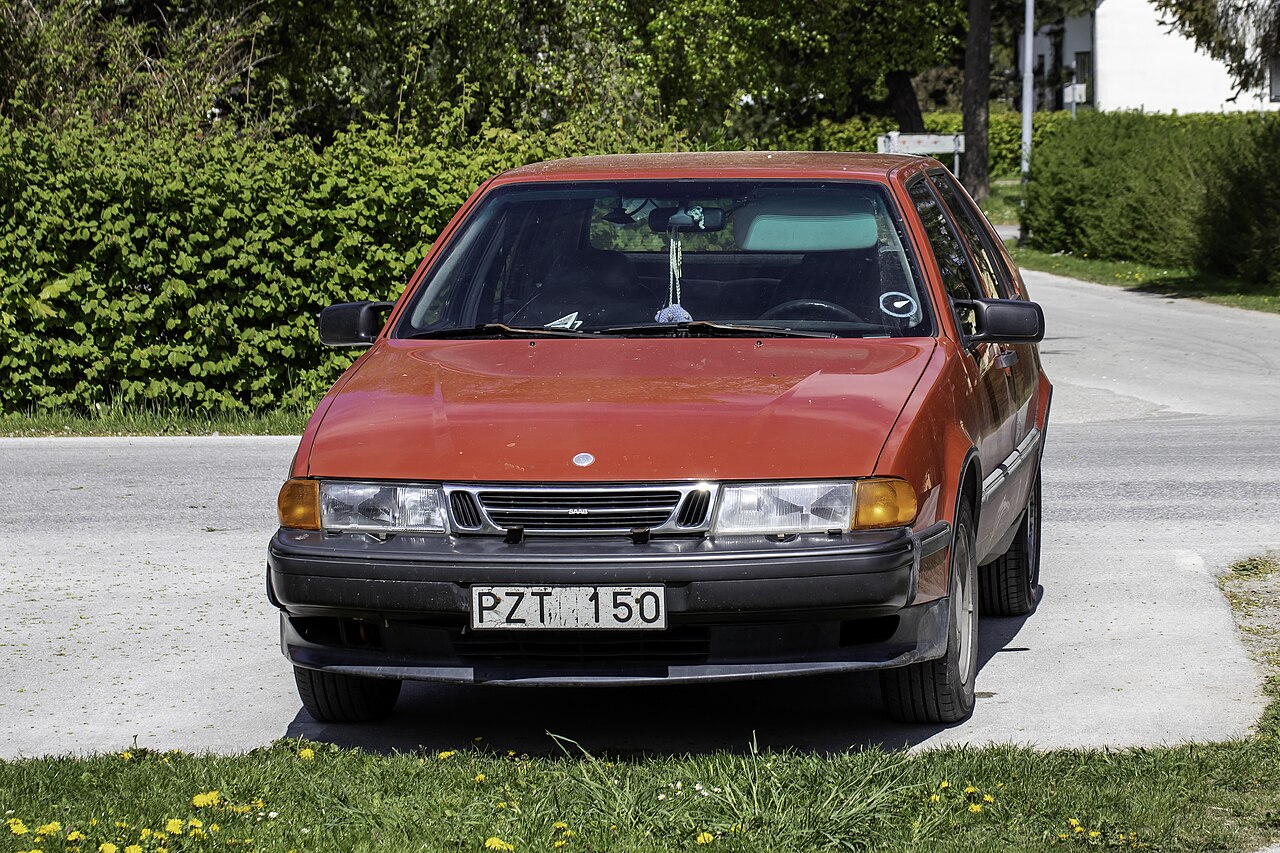
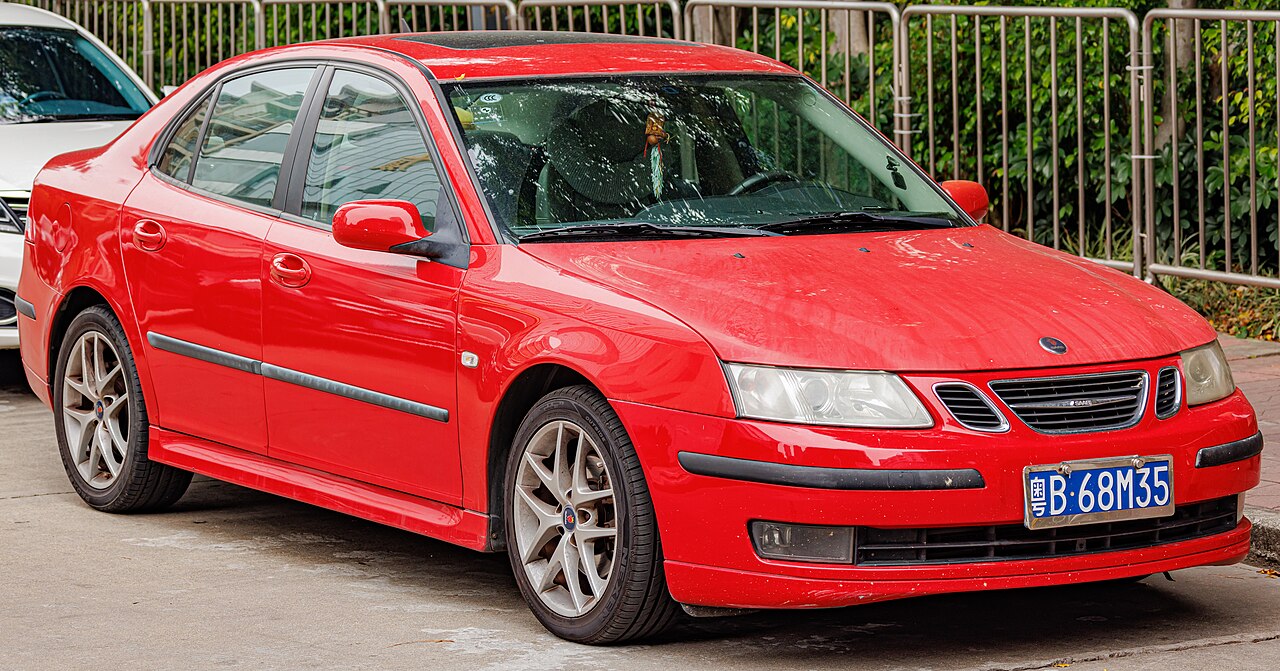
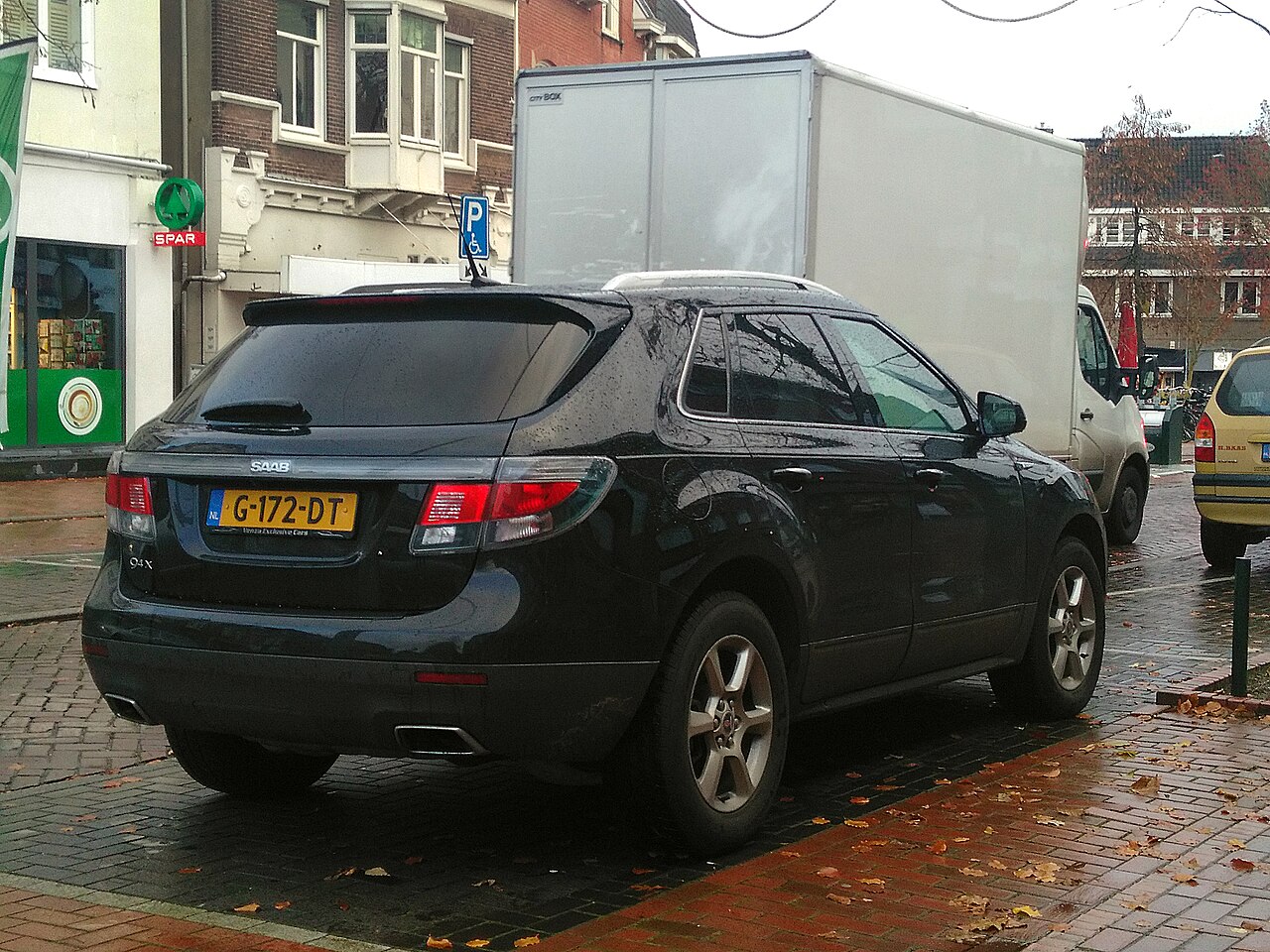
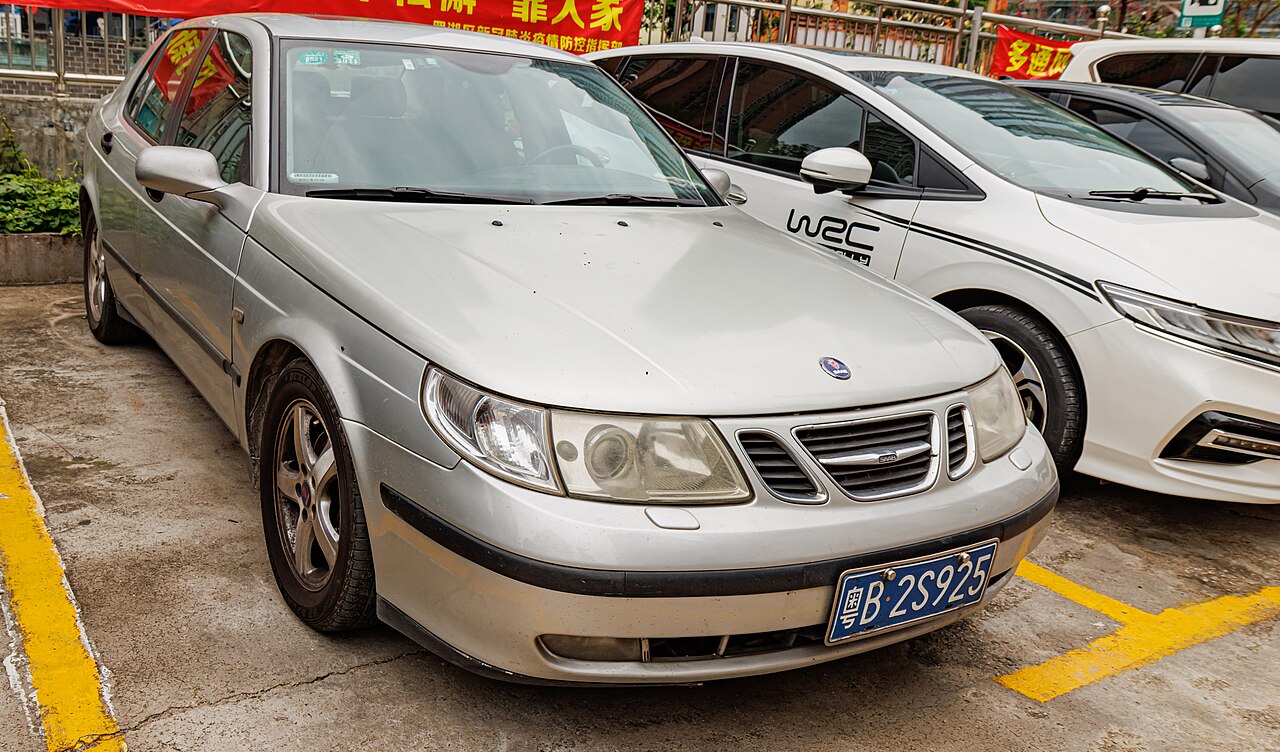
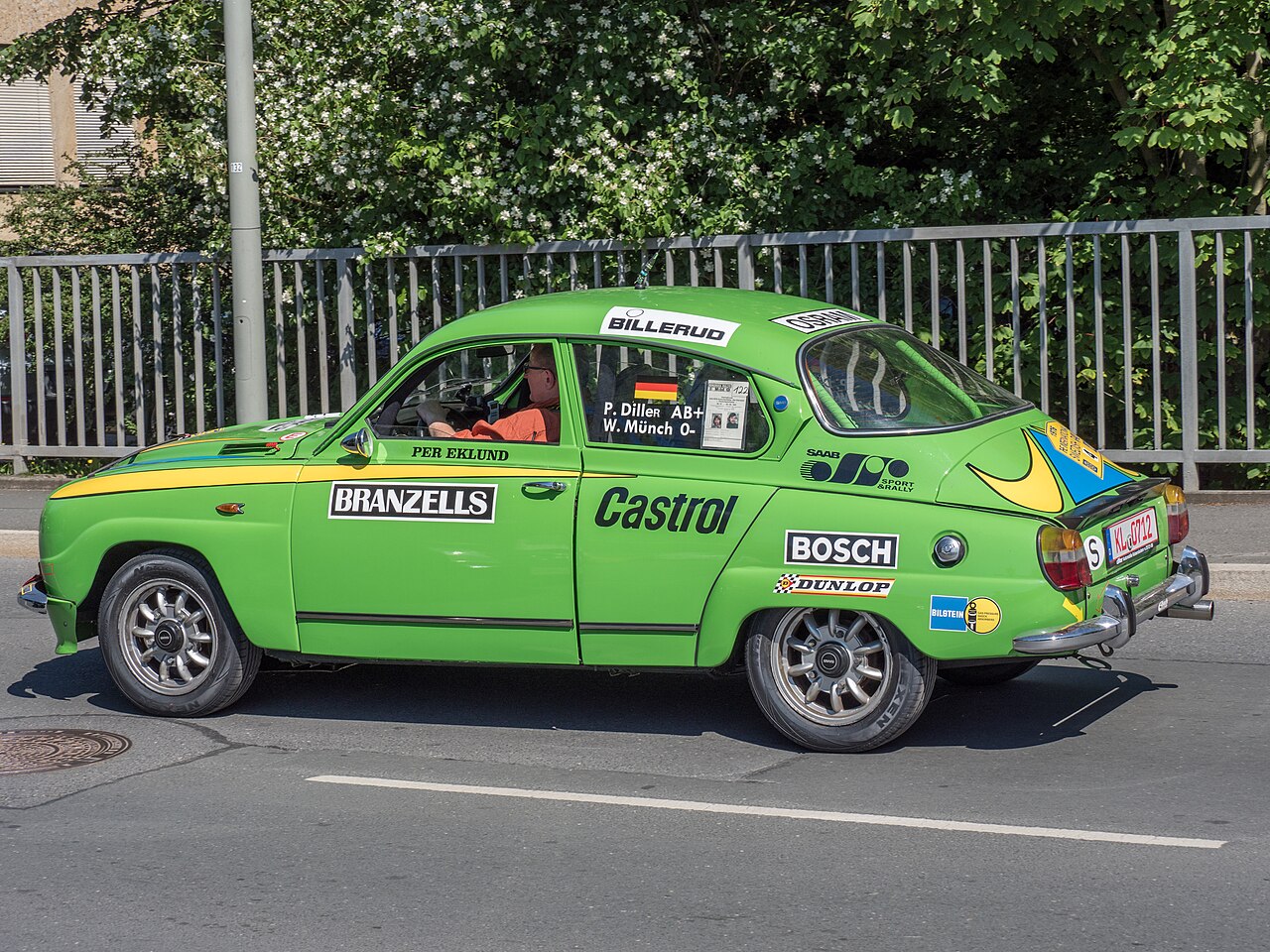
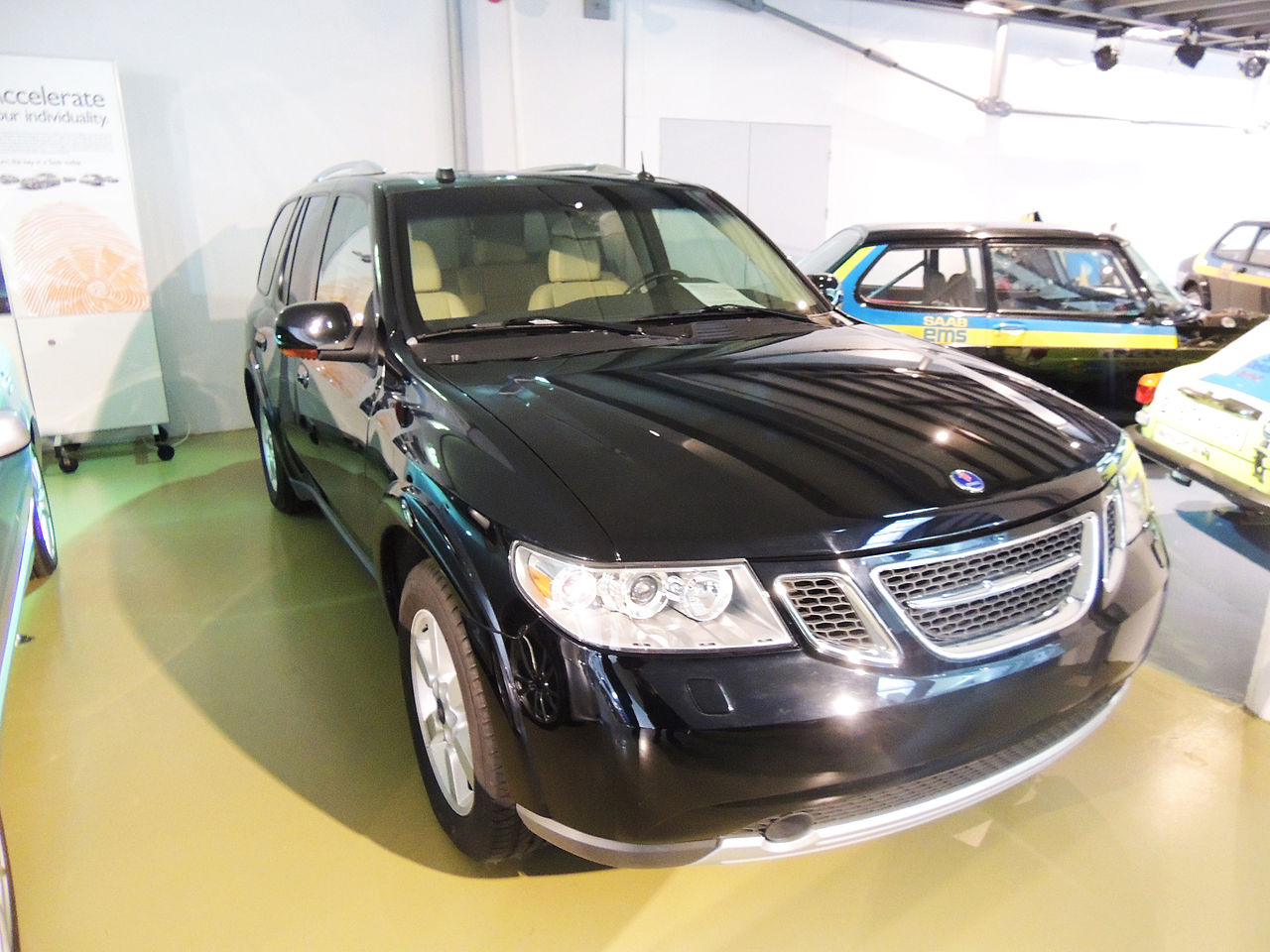
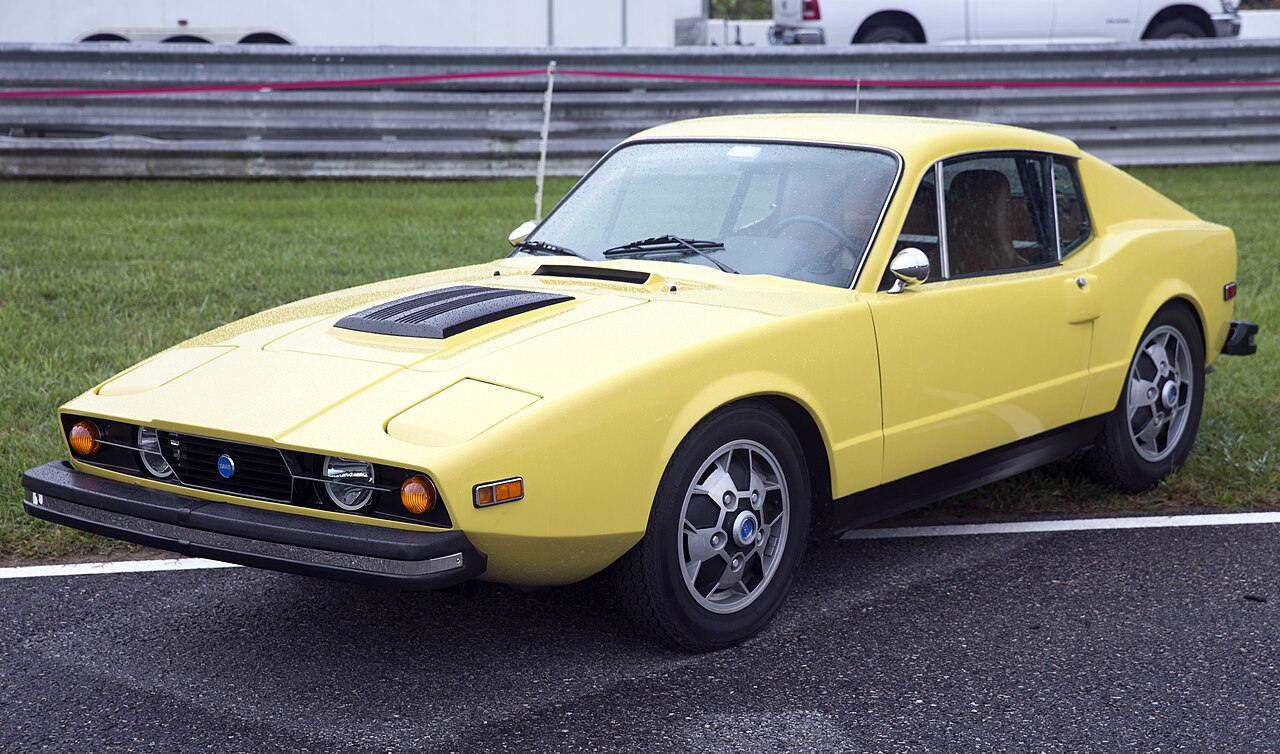
EuroSaab (Svenska Aeroplan AB) was a Swedish aircraft manufacturer that began producing cars in 1949 to keep its workforce employed during the postwar slowdown. The aircraft heritage shaped early Saab cars: aerodynamic shapes, two-stroke or transverse-engine layouts, and a focus on cold-weather durability. The brand built a cult following on engineering quirk: hatchbacks with ignition switches between the seats, optional crank-out windshield wipers for ice removal, and aerospace-grade engineering ethos applied to passenger cars. The 99 Turbo of 1977 introduced the modern turbocharged road car. Saab took a 2-liter four-cylinder, added a Garrett turbocharger and innovative engine management, and produced a sedan that combined modest fuel economy with strong performance. The technology was widely copied within five years. The 900 (1978-1993) refined the formula and became the brand defining product. Two generations of 9-3 (1998-2014) and 9-5 (1997-2010) carried the brand into the modern era under General Motors ownership. The brand commercial trouble began in the 1990s under GM ownership. GM gradually merged Saab platforms with Opel, Cadillac, and other GM products, eroding the unique character that had attracted loyal buyers. Saab declared bankruptcy in 2011 and was briefly owned by Spyker before final liquidation in 2012. A small Chinese-owned company called NEVS continued some Saab-derived production, but the brand itself is effectively dead. On WhipJury, Saab submissions are dominated by 900 Turbos (especially the original-shape SPG and Aero variants), 9-3 Aeros, classic 99 Turbos, and the occasional Sonett or 96 from the early years. The community treats Saab as the dead-but-cherished underdog of European brands.
Saab models we cover
The 99 Turbo
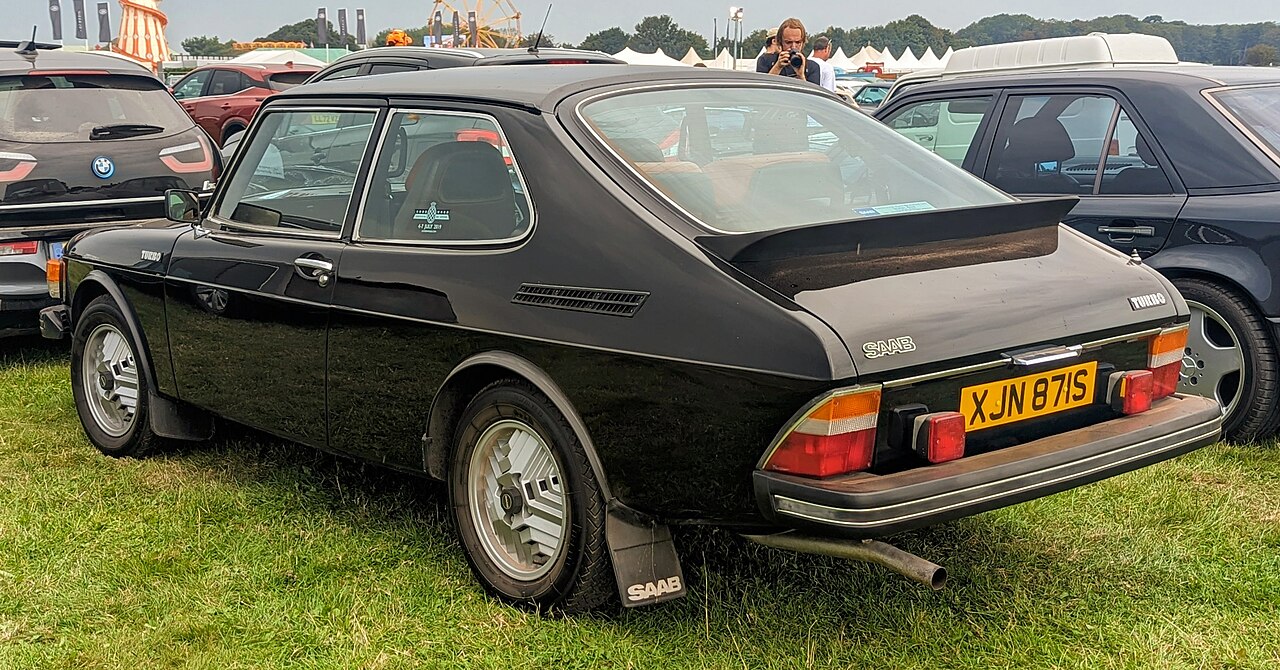
The Saab 99 Turbo of 1977 is widely credited as the first practical turbocharged road car (BMW 2002 Turbo from 1973-1974 was earlier but produced in tiny volumes and abandoned). Saab innovation was in engine management: the Automatic Performance Control (APC) system regulated boost based on knock sensor data, allowing the car to use whatever fuel quality was available. The technology made turbocharging viable for mass-market cars and was widely adopted by other manufacturers.
The 900
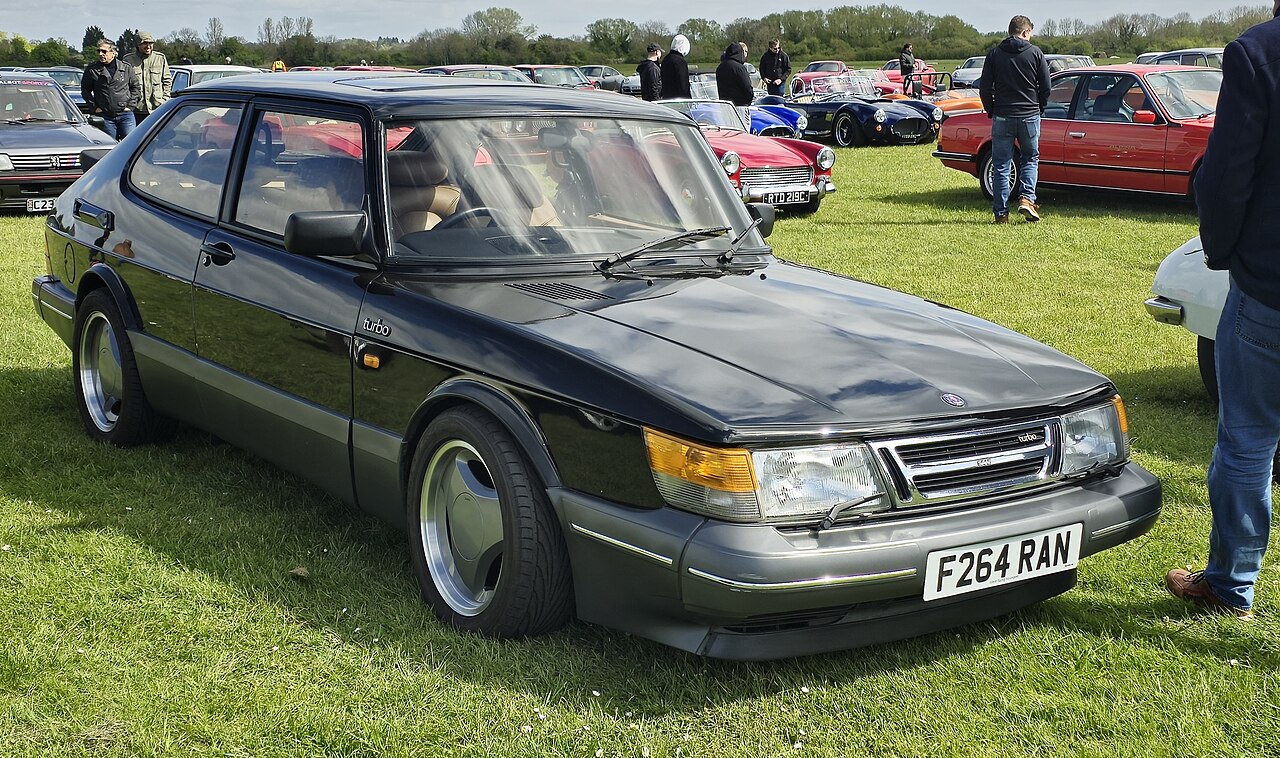
The Saab 900 (1978-1993) was the brand best-selling and most-loved product. The original-shape 900 is now widely referred to as the "classic 900" to distinguish it from the GM-developed second-generation 900 (1994-1998), which most enthusiasts consider a different and inferior car. The 900 SPG (Special Performance Group, sold as Aero in some markets) is the connoisseur pick: turbocharged, manual, distinctive body kit. Clean classic 900 SPGs are now appreciating quickly.
Saab on WhipJury
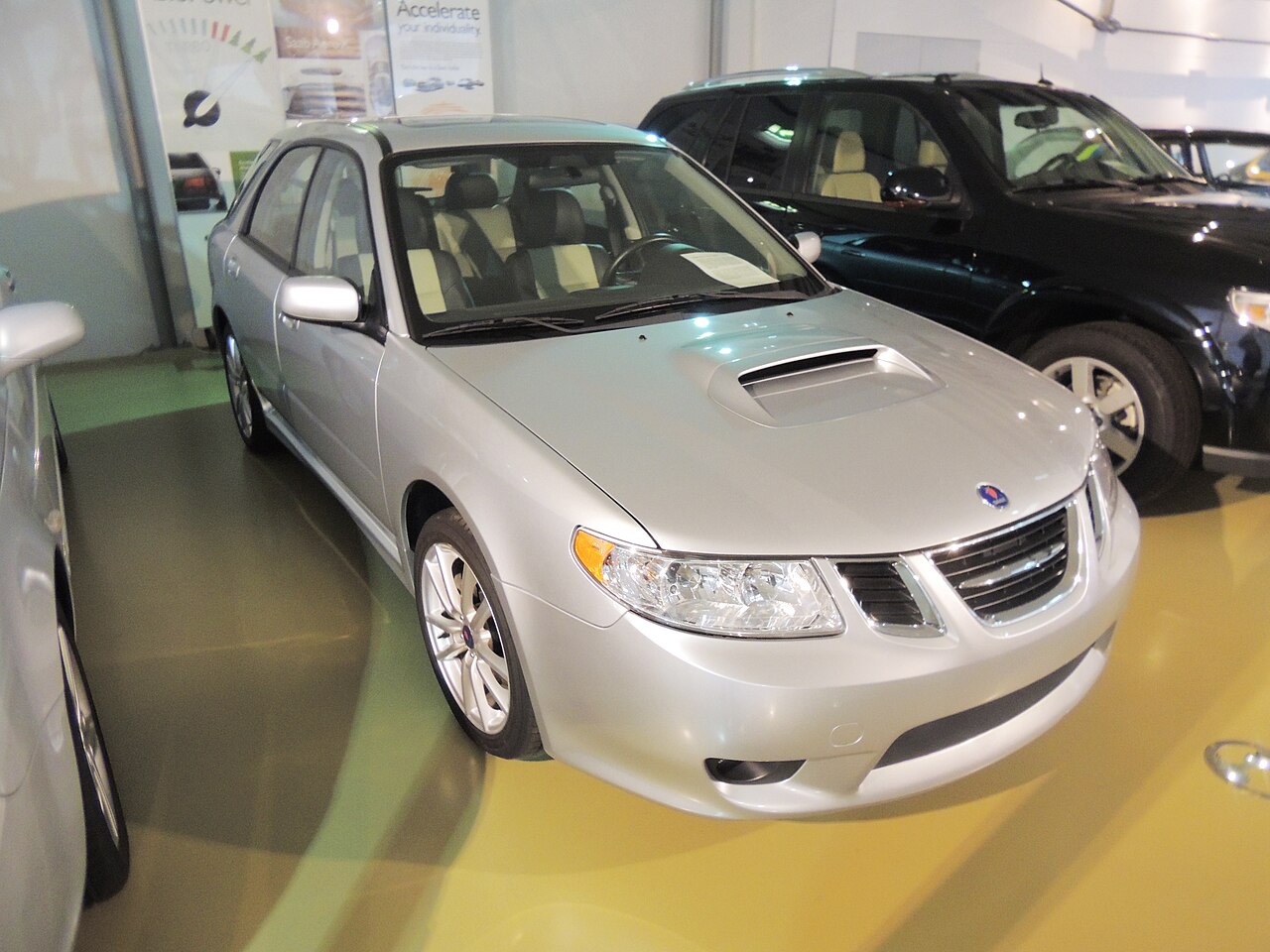
Classic 900 Turbo and 900 SPG submissions are common. 9-3 Aero builds (especially the original 9-3 with the Viggen variant) appear regularly. The 99 Turbo is rare but always memorable. The community here treats Saab as a brand that died too early and the cars as cult collector items.