What is Plug-In Hybrid?
A plug-in hybrid, or PHEV, pairs a gasoline engine with a larger battery that can be charged from an external plug, offering meaningful electric-only range before the engine takes over.
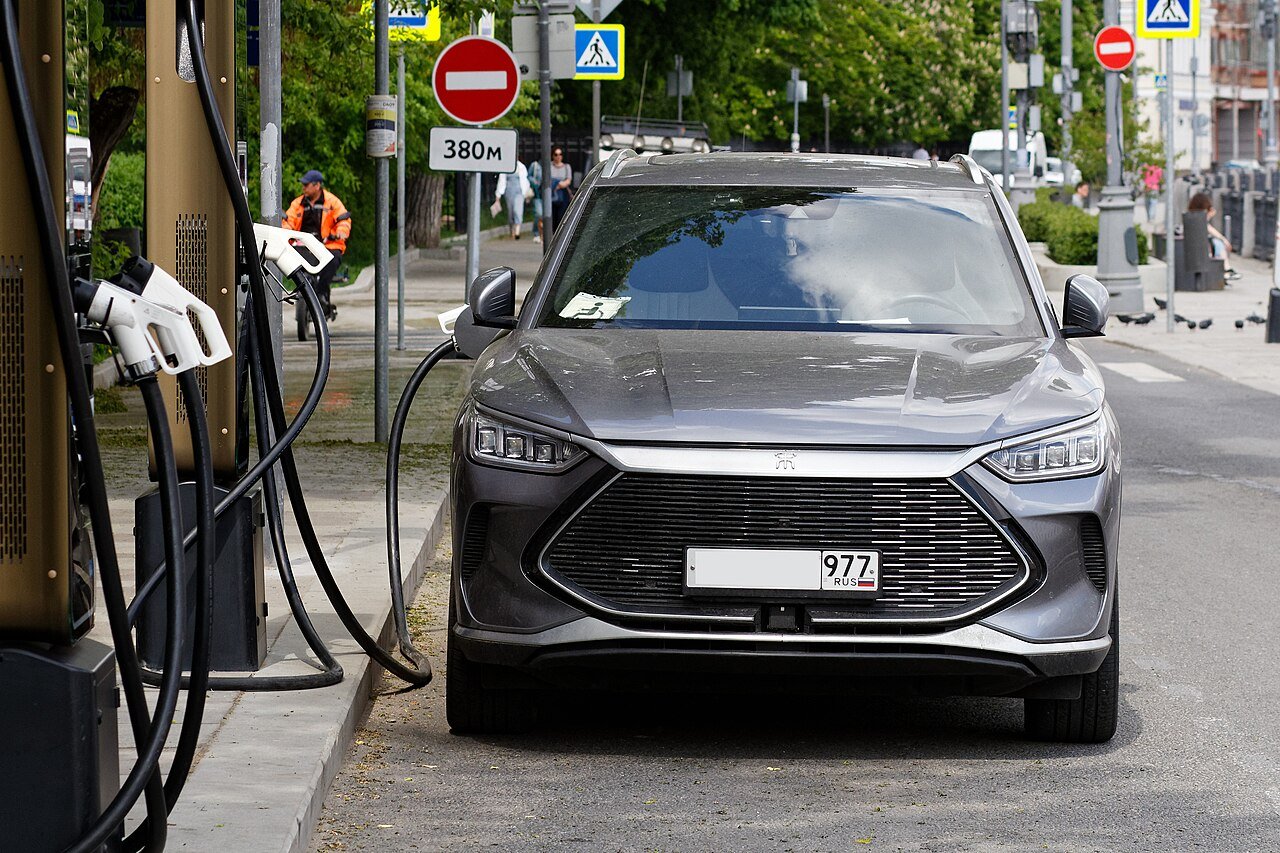
A plug-in hybrid electric vehicle, commonly abbreviated PHEV, combines a conventional gasoline engine with an electric motor and a battery pack that is substantially larger than what a standard, non-plug-in hybrid uses. The defining feature of a PHEV is that its battery can be recharged from an external electrical outlet or charging station, not just through regenerative braking and engine-driven charging as in a regular hybrid, which allows the vehicle to travel a meaningful distance on electric power alone before the gasoline engine needs to engage.
Most PHEVs on the market offer somewhere between roughly 20 and 50 miles of electric-only range depending on the model and battery size, enough to cover many drivers' typical daily commute using no gasoline at all if the vehicle is charged regularly. Once the battery is depleted, a PHEV continues operating as a conventional hybrid, using the gasoline engine and electric motor together, which eliminates the range anxiety associated with a pure electric vehicle since the driver always has a gasoline-powered backup for longer trips.
Plug-in hybrids sit as a middle ground between conventional hybrids, which cannot be externally charged and offer only a mile or two of electric-only range at low speed, and fully electric vehicles, which have no gasoline engine at all and depend entirely on charging infrastructure and battery range. This positioning has made PHEVs particularly popular with drivers who want reduced fuel consumption and the option of electric-only commuting but are not ready to fully commit to an EV's charging requirements and range limitations, particularly for long-distance travel or in areas with limited charging infrastructure.