Porsche Taycan
Exotic · Porsche
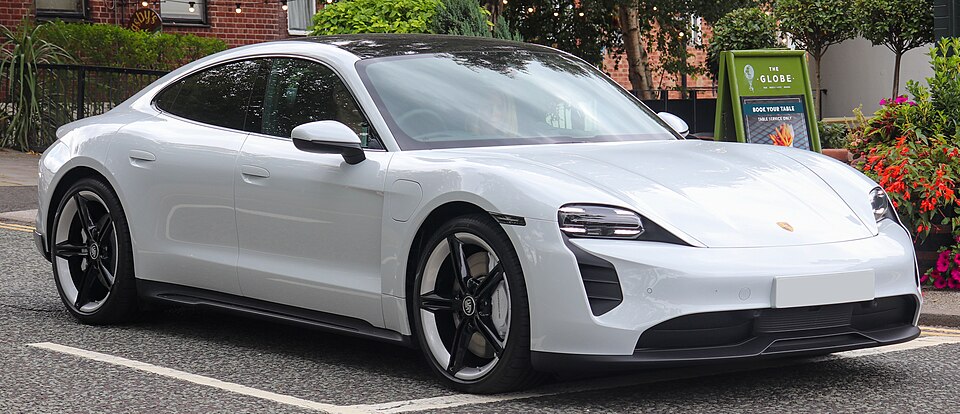
Porsche's first electric vehicle. Taycan Turbo S makes 750 horsepower. 800V architecture. The genuine Porsche EV.
The Porsche Taycan launched in 2019 as Porsche first ground-up electric vehicle. The Taycan was widely praised for delivering Porsche-level performance and refinement in an EV. Multiple variants cover different price points and performance levels: 4S, Turbo, Turbo S, GTS, and Cross Turismo (wagon variant). The Taycan uses 800-volt electrical architecture, twice the typical EV voltage. Higher voltage enables faster charging and lower current heat loss. The Turbo S variant makes 750 horsepower combined output and runs 0-60 in around 2.6 seconds. The Taycan has been Porsche entry into EV market and one of the most successful luxury EVs. The combination of Porsche performance heritage and modern EV architecture has made the Taycan a benchmark for serious electric performance vehicles. On WhipJury, Taycan submissions are common, particularly Turbo and Turbo S variants. Modified Taycans appear occasionally. The Cross Turismo wagon variant has its own following.
Taycan variants
4S. 522 horsepower combined.
Turbo. 670 horsepower combined.
Turbo S. 750 horsepower combined. 0-60 in 2.6 seconds.
GTS. Sport-tuned variant. 590 horsepower.
Cross Turismo. Wagon variant.
Frequently asked questions about Porsche Taycan
More on the Porsche Taycan
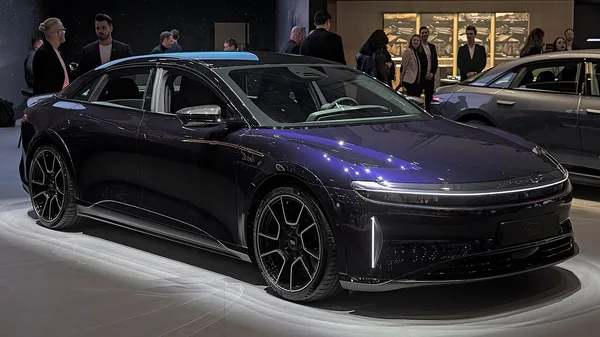
The Lucid Air Sapphire makes 1,234 hp from three motors and 1,430 lb-ft of torque. Lucid quotes 1.89 seconds to 60 mph and 205 mph, for $249,000. Here is how it compares with the Model S Plaid and Taycan Turbo GT, on paper and in testing.
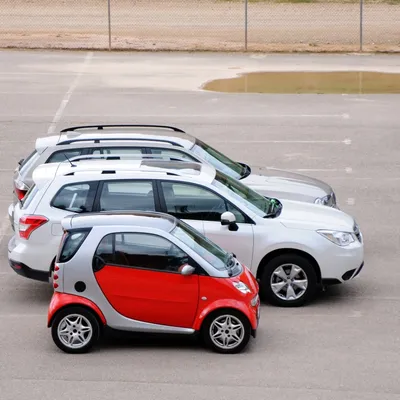
Color changes the perceived size of a car more than most buyers realize, and getting it wrong costs you. An SUV that should look imposing can look squat and heavy in the wrong color. A compact car that should look athletic can look like a toy. The mechanics behind why this happens are specific enough that you can use them deliberately rather than just hoping you guessed right at the configurator...
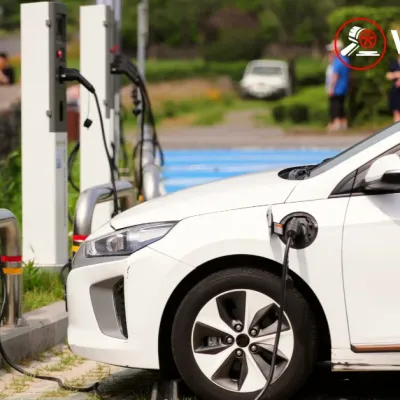
Electric vehicles solved the engineering problem. The range improved. The charging infrastructure is building out. The performance numbers are extraordinary. What nobody solved is the design problem, and the design problem is not about styling. It is structural. It is baked into the format at a level that cannot be fixed with better headlights or a more aggressive front end. The best EV designers in the world are working against physics and losing in specific ways that are visible in every faceoff where an EV goes up against a comparable combustion car...
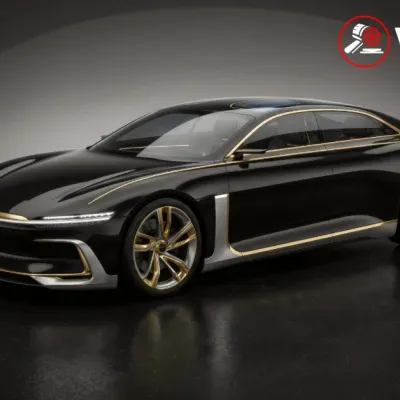
Every few months a new obituary gets written for the sedan. Sales are down. Automakers are canceling models. The crossover has won. The four-door is finished. And every time someone writes that obituary, the Toyota Camry sells another 300,000 units, the Honda Accord moves another 200,000, and the Tesla Model 3 quietly becomes one of the best-selling vehicles on the planet. The sedan is not dead. A specific group of automakers decided it was not worth their effort, walked away, and then pointed at falling sales as proof the customer did not want it anymore...