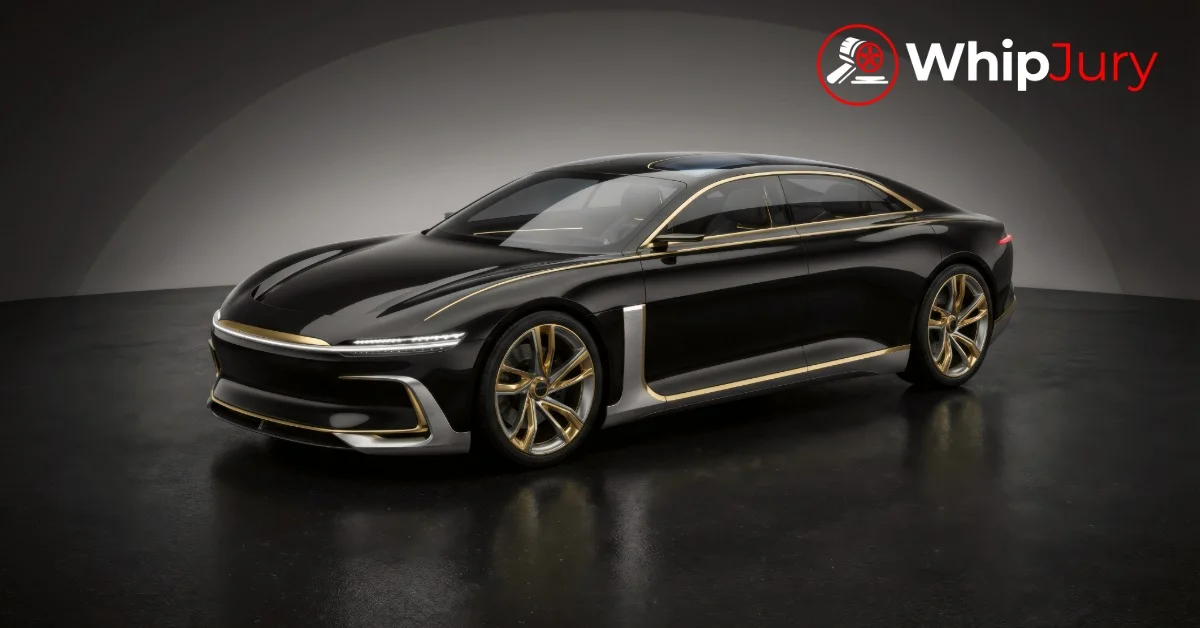
Every few months a new obituary gets written for the sedan. Sales are down. Automakers are canceling models. The crossover has won. The four-door is finished. And every time someone writes that obituary, the Toyota Camry sells another 300,000 units, the Honda Accord moves another 200,000, and the Tesla Model 3 quietly becomes one of the best-selling vehicles on the planet. The sedan is not dead. A specific group of automakers decided it was not worth their effort, walked away, and then pointed at falling sales as proof the customer did not want it anymore.
That is not a eulogy. That is a self-fulfilling prophecy written by people whose incentives pointed toward trucks and SUVs before the first market study was commissioned.
What the Numbers Actually Show
Sedans accounted for 18.4 percent of new vehicle sales in 2024, down from 21.4 percent the year before. That number gets cited constantly as evidence of terminal decline. What it actually shows is that roughly one in five new vehicles sold in America is still a sedan, in a market that has been actively defunded of sedan options by manufacturers for a decade. Ford stopped selling passenger cars in North America in 2019. Chevrolet killed the Malibu after 2024. Subaru discontinued the Legacy after 2025. Acura ended the TLX. Every one of these decisions reduced the number of sedan options available to buyers and was then used as evidence that buyers did not want sedans.
The Malibu's story is particularly telling. General Motors discontinued it despite the car posting a 26 percent sales increase in the final quarter of 2024. The model was growing when it was killed. The decision was not a response to market failure. It was a preemptive move to clear factory space for higher-margin vehicles that GM had already decided was the priority. The customer did not abandon the Malibu. The Malibu was taken away from the customer.
Who Is Still Trying and What It Tells You
Toyota and Honda never stopped investing in their sedans and the market rewarded them for it. The Camry remains the best-selling car in America that is not a truck or SUV. In 2023 it accounted for nearly a third of all midsize sedan sales in the country by itself, not because it is the only option but because Toyota kept developing it, kept making it better looking with each generation, and kept giving buyers a reason to choose it over a crossover.
The 2024 Camry redesign is the clearest proof of what happens when an automaker actually tries. Toyota took a car that had been criticized for two generations as visually conservative and gave it a dramatically lower roofline, sharp character lines, a wide planted stance, and a front end with genuine presence. The result was a Camry that people were photographing in parking lots and posting online, which is not something that had happened to a Camry in twenty years. Sales responded accordingly.
Honda did the same thing with the Accord a generation earlier. The 2018 redesign produced a car that finally looked as good as it drove, with a coupe-like roofline, long hood-to-short-deck proportions, and a front end that bore no resemblance to the apologetic beige appliance the Accord had been for most of the 2000s. The lesson from both cars is identical: invest in the sedan's design and the sedan sells. Neglect the design and cite the declining sales. Manufacturers chose which story to tell.
The Design Investment Gap
This is the part of the conversation that never gets addressed in the business press coverage of sedan decline. When an automaker decides to prioritize SUVs, the design budget follows. The best designers get assigned to the products that generate the most margin. The sedan gets the second team, a refresh cycle that stretches from five years to seven, and a corporate decision to play it safe visually because the product is already in managed decline and nobody wants to spend money on a car they are planning to kill anyway.
The result is a generation of American sedans in the 2010s that looked like they were designed by committees managing risk rather than designers making arguments. The Chevrolet Malibu in its final generations was not an ugly car. It was an invisible one. It looked like every other sedan in its segment and gave buyers no visual reason to choose it over the crossover parked next to it on the lot. The design failure was not accidental. It was the inevitable result of a company that had already mentally moved on.
Compare that to what Genesis did with the G70 and G80 while the American brands were in managed retreat. Genesis entered the segment with no established customer base and no brand equity and competed entirely on design quality. The G80 in particular produced a car that looked better than the German competitors it was priced against, did it without the German badge premium, and built a small but loyal customer base that would not have materialized at all if the car had looked like a cautious corporate sedan. Genesis proved the thesis: design investment in a sedan produces sedan buyers.
The Profit Margin Argument Is Real but Incomplete
SUVs and trucks do generate more profit per unit than sedans. This is true and it matters. A single F-150 sale generates more margin for Ford than multiple Fusion sales would have, and Ford's decision to exit the passenger car business was financially defensible in the short term. The argument gets incomplete when you add the long term.
Brand design identity is built over decades on the back of aspirational vehicles, and for most of automotive history those vehicles were performance sedans and coupes. The BMW 3 Series built the brand's entire identity as the ultimate driving machine. The Honda Civic built Honda's reputation for engineering quality at an accessible price. These cars were not the most profitable products in their lineups but they were the products that made buyers trust the brand enough to move up to the more profitable ones.
When Ford killed the Fusion and the Focus it did not just exit two segments. It removed the products that younger buyers used to form a relationship with the brand. An 18-year-old who falls in love with a Focus RS becomes a 35-year-old who considers an F-150. There is no equivalent on-ramp for a brand that only sells trucks and SUVs to someone who lives in a city and does not need either. The sedan was doing brand work that the quarterly earnings call does not capture.
The Segment That Proves the Point Most Clearly
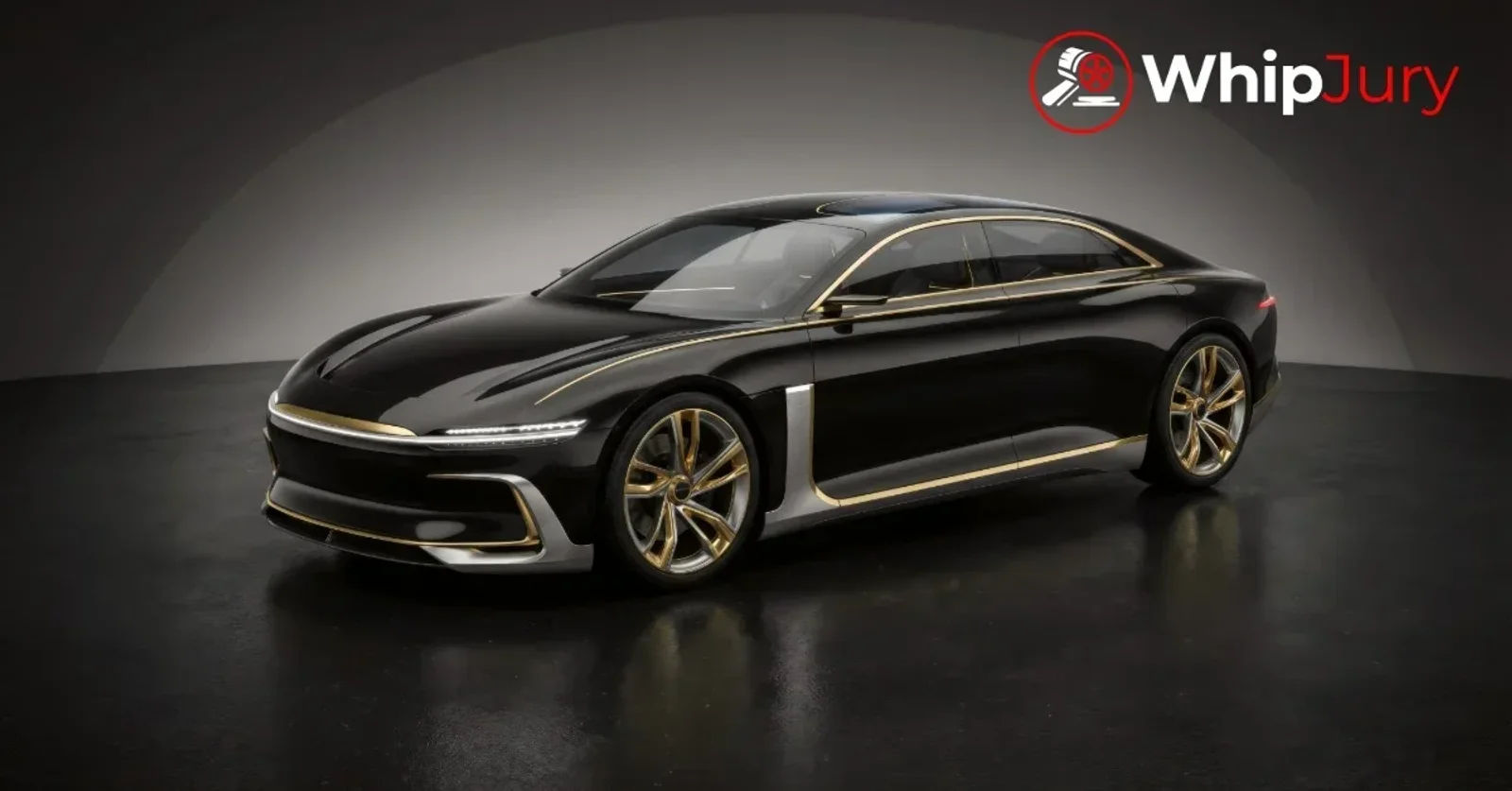
The electric vehicle segment is rebuilding the case for sedans from scratch and the market is responding. The Tesla Model 3 has been one of the best-selling vehicles in multiple markets worldwide, not despite being a sedan but partly because of it. The lower center of gravity enabled by the battery floor gives EVs natural sedan proportions that work visually in a way the elevated crossover body does not, and Tesla used that advantage to produce cars that look genuinely good rather than good for an electric vehicle.
The Hyundai Ioniq 6, whatever its design shortcomings, demonstrated that an EV sedan with a committed design language generates significantly more press attention and test drives than the equivalent crossover. Porsche's Taycan built an entire customer base that had never considered a Porsche before because the sedan body gave the design room to breathe that the Cayenne's upright stance never could. The electric transition is not killing the sedan. For some manufacturers it is quietly reviving it.
What a Healthy Sedan Market Would Look Like
It would look like the late 1990s and early 2000s, when every major manufacturer had at least two sedan options at different price points, all of them developed with genuine design investment, competing against each other hard enough that the category kept pushing forward. The Honda Accord, Toyota Camry, Ford Taurus, Chevrolet Malibu, Nissan Altima, Mazda6, Dodge Stratus, Hyundai Sonata. Some of those were better than others but all of them were trying, and the competition between them kept the design quality higher than any individual manufacturer would have maintained alone.
That competition is largely gone from the American side of the market and the design quality on the remaining cars reflects it. The Camry and Accord are both excellent because Toyota and Honda kept competing with each other. The category would be even better if they had more competition pushing them. Instead they inherited a segment that their American and European competitors vacated, and they have been selling to buyers who want sedans but have steadily fewer options to choose from.
The Faceoff Evidence
On WhipJury, well-designed sedans consistently outperform crossovers in head-to-head faceoffs when the comparison crosses segments. A 2024 Camry XSE in Midnight Black Metallic beats a comparable crossover more often than the sales numbers would suggest it should, because the faceoff strips away the practical advantages of the crossover and leaves only the visual argument. The sedan wins that argument more often because the design form is inherently more capable of producing compelling proportions.
The crossover wins in dealer lots because the crossover wins on practicality, visibility, perceived safety, and cargo space. None of those variables exist in a faceoff. Which means the sedan's actual visual strength has been systematically undervalued by a market that evaluates cars on criteria the sedan was never going to win on, while the one criterion the sedan dominates has been given no platform until now.
The sedan is not dead. It is underrepresented, underfunded by manufacturers who walked away from it, and undervalued by a market that stopped asking what it looks like. Put a sedan against a crossover on WhipJury and find out what the answer actually is when the only question is which one looks better.
Frequently Asked Questions

Cam Walsh has been obsessing over cars since before he could drive one. Based out of Atlanta, Cam covers automotive design, car culture, and the eternal debate over which whips actually look the part.