Land Rover Range Rover
Truck · Land Rover

The original luxury SUV (1970+). Supercharged V8 power, peerless off-road ability, true flagship status.
The Range Rover effectively invented the luxury SUV. Launched in 1970, it combined genuine off-road capability with comfort and prestige no rival offered, and over five decades it grew into a true flagship that competes with luxury saloons for prestige. Modern cars pair supercharged or turbocharged V8 power, air suspension, and serious off-road hardware with a sumptuous cabin. It remains the benchmark luxury SUV. On WhipJury, the Range Rover appears frequently, from classic two-door early cars to the latest supercharged flagship.
Range Rover across the generations
Classic (1970-1996), P38A (1994-2002), L322 (2002-2012), L405 (2013-2021), and L460 (2022+). Modern cars use turbo and supercharged V8s, air suspension, and advanced off-road systems in a luxury package.
Frequently asked questions about Land Rover Range Rover
More on the Land Rover Range Rover
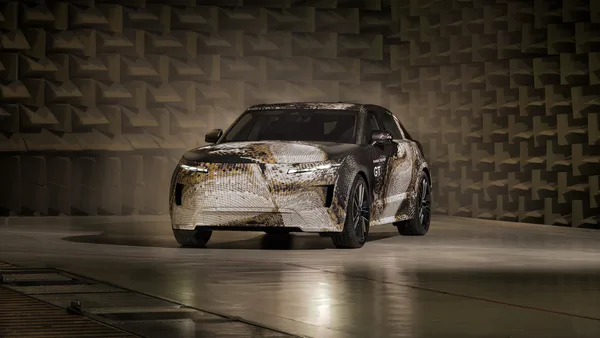
Range Rover posted a video on October 26 of the camouflaged GT finishing a test drive to the Nürburgring. It calls the electric GT its most aerodynamic model ever, with the lowest center of gravity of any Range Rover, and the video keeps calling it a car.
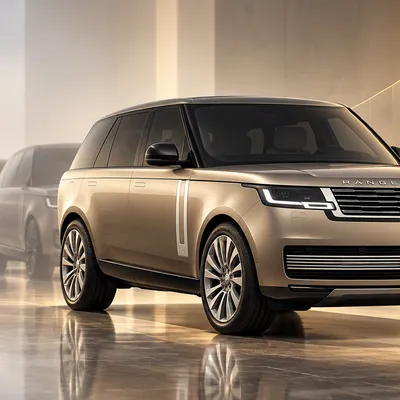
Range Rover's marketing director says the brand's job "really is not to sell lots and lots of cars" but to build value, with managing director Martin Limpert aiming to be "in the modern luxury business" through one-to-one bespoke commissions. It's also a smart answer to the Chinese copies problem.
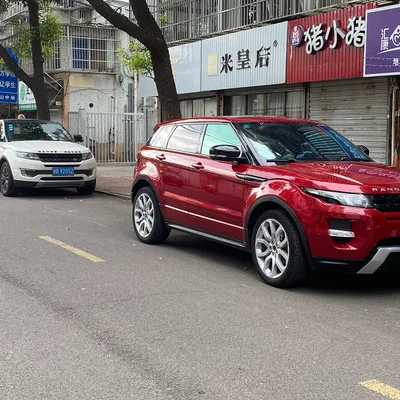
Range Rover boss Martin Limpert says Chinese copies like the Jaecoo J7, nicknamed the Temu Range Rover, are a badge of honor. It's a change of tone from the company that beat Landwind in a Beijing court in 2021 over five copied design features on the Evoque.
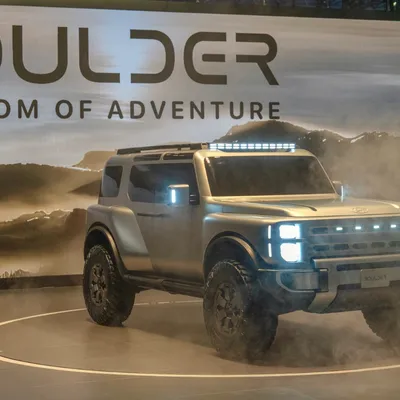
Hyundai plans to build body-on-frame trucks and SUVs in the United States and export them overseas, CEO Jose Munoz said at the company's investor day in Seoul. It is part of a push toward 5.55 million global sales by 2030, with 500,000 units of new North American capacity.