BYD Seal
EV · BYD

BYD Seal: Midsize Electric Sedan to Rival Tesla Model 3
The BYD Seal is a midsize electric sedan built on e-Platform 3.0 with cell-to-body Blade battery integration, offered in rear-wheel-drive and dual-motor all-wheel-drive variants.
Launched in 2022, the BYD Seal is one of the brand's most technically sophisticated models and was explicitly positioned to challenge the Tesla Model 3 in China and export markets. The Seal sits on e-Platform 3.0 and uses a cell-to-body construction in which the Blade battery pack forms a structural component of the vehicle floor, lowering the center of gravity and increasing torsional rigidity without adding weight from a separate battery enclosure.
The rear-wheel-drive variant uses a single motor at the rear and prioritizes efficiency and driving range. The Performance AWD variant adds a second motor at the front axle, delivering brisk acceleration times that bring it into direct competition with performance-oriented sedans well above its price class. Suspension tuning is notably European in character, with a firmer, more dynamic setup than earlier BYD models.
The Seal's cabin reflects BYD's growing investment in interior quality, featuring a large rotating central touchscreen, ambient lighting, and material choices that close much of the perceived gap with premium German and Korean rivals. Sales in Europe and Australia have been strong relative to BYD's other export models, and the Seal's success has played a key role in establishing BYD as a serious performance EV brand rather than purely a value-oriented alternative.
Frequently asked questions about BYD Seal
More on the BYD Seal
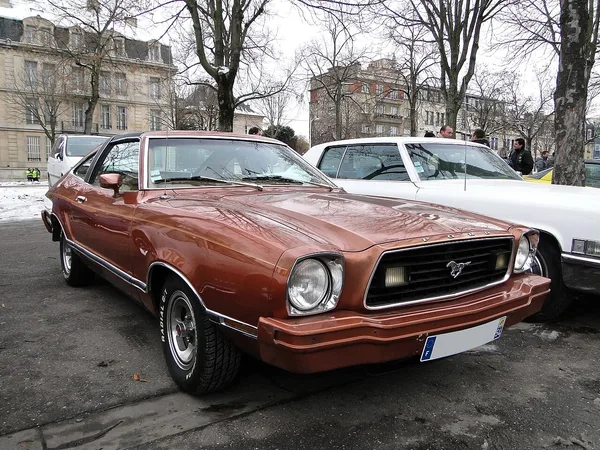
The malaise era covers American cars from about 1973 to 1983, when the oil embargo, fuel economy rules, catalytic converters, and 5 mph bumpers cut power and reshaped styling. The base 1975 Corvette made 165 hp, and Jimmy Carter never actually said "malaise."
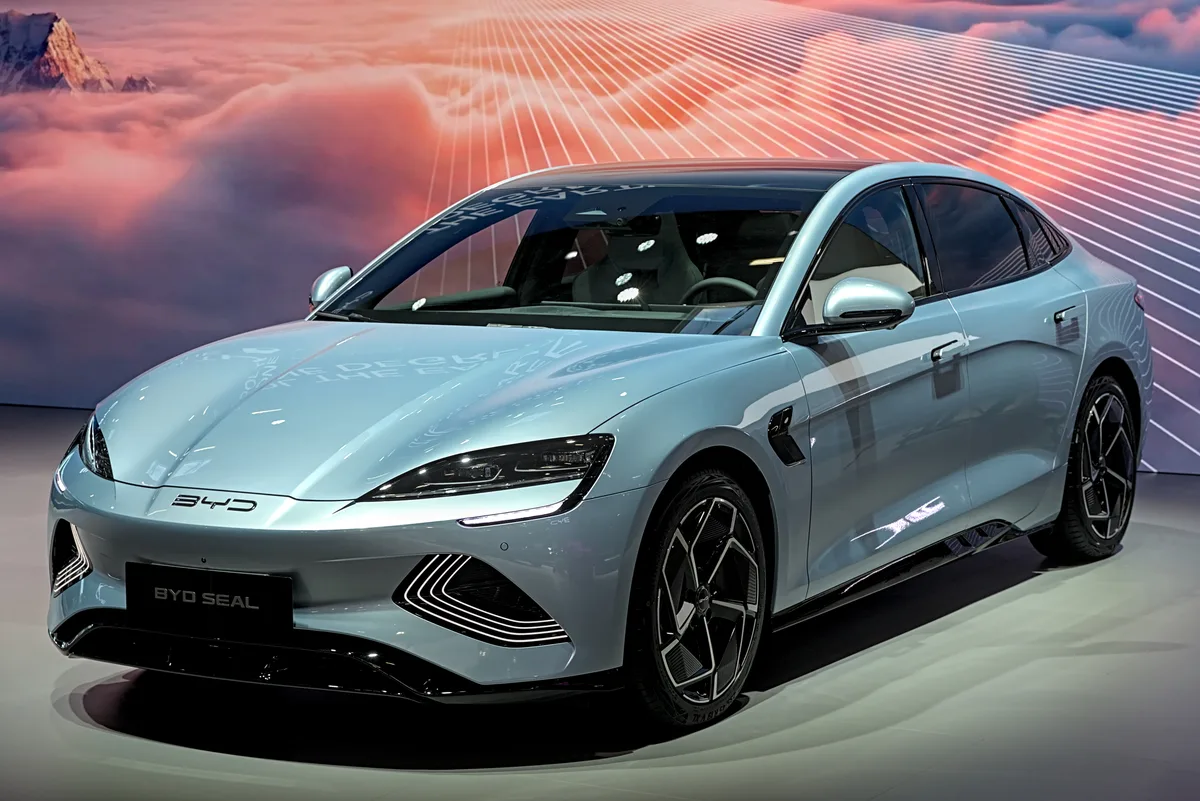
Chinese EVs look European because Europeans designed them. Wolfgang Egger from Audi and Lamborghini runs BYD design, Kris Tomasson from BMW runs Nio's, and Stefan Sielaff, who drew the Audi A7 and Bentley Bentayga, runs Geely's. Here's why the cars share smooth surfaces, light bars, and living-room interiors, and what they still lack.
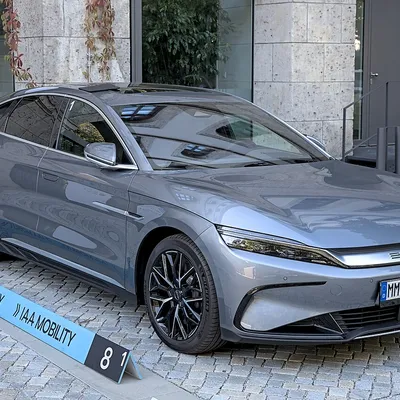
BYD, Nio, Zeekr, Leapmotor and Xpeng are Chinese electric car brands, several of them huge, and most people can't tell them apart. One makes its own batteries, one swaps them in three minutes, one is owned by Volvo's parent, and one is partly owned by the company behind Jeep.