What is Drag Coefficient?
A number, written Cd, that describes how easily a vehicle's shape moves through air. The lower it is, the less air resistance for a given size.
The drag coefficient measures how a car's shape moves through the surrounding air. The average modern car comes in between 0.25 and 0.3, while boxy SUVs typically land between 0.35 and 0.45. It matters most at speed, because aerodynamic drag rises with the square of speed, so a lower number helps top speed and fuel economy. Many sports cars have surprisingly high drag coefficients, since the downforce that holds them to the road also creates drag.
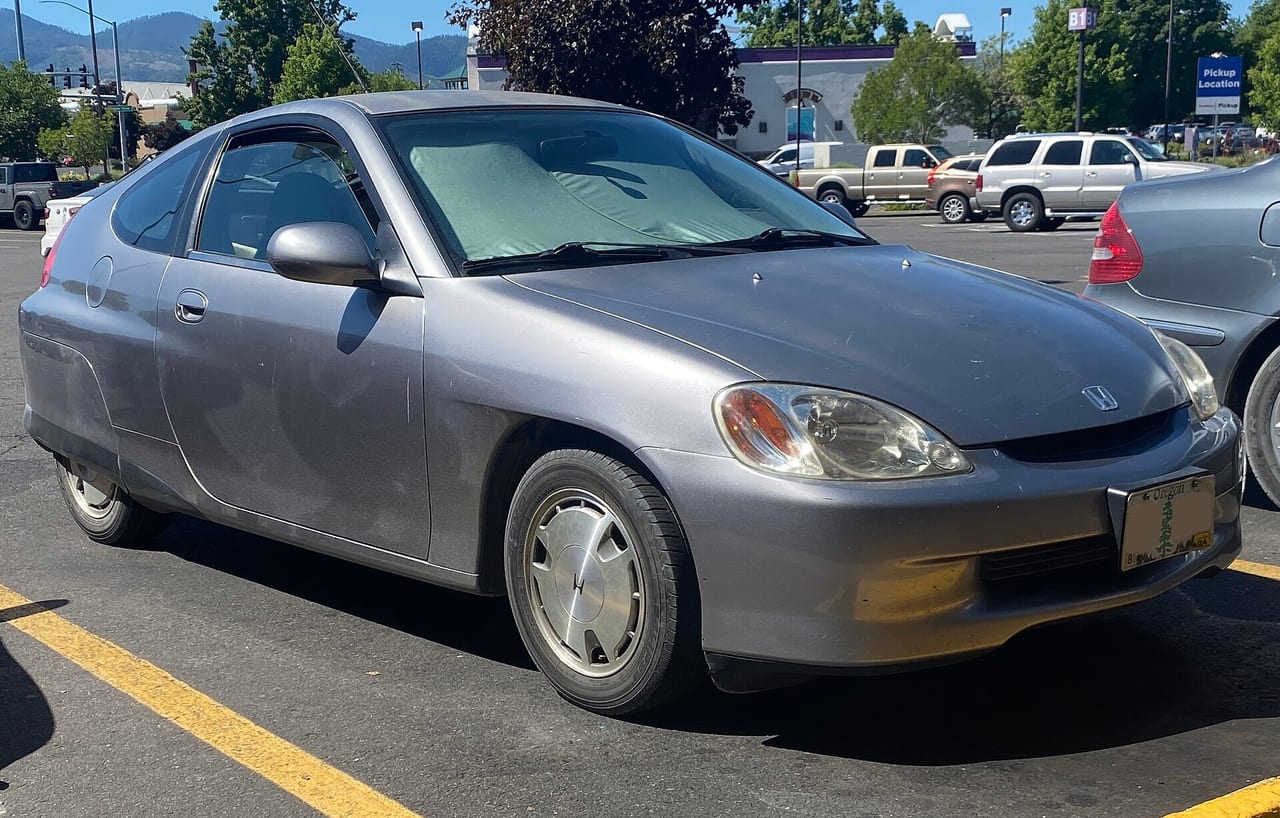
Shape is only half of the story. Total air resistance depends on the drag coefficient and the car's frontal area, and multiplying the two gives the drag area, the figure that really sets how much power a car needs to hold a cruising speed. Reported drag areas range from 5.1 square feet for the 1999 Honda Insight to 26.5 square feet for the 2003 Hummer H2. A bicycle and rider fall around 6.5 to 7.5 square feet. Published numbers also vary by wind tunnel, by up to 5%, so a car rated 0.30 in one tunnel could measure anywhere from 0.285 to 0.315 in another.
Carmakers have pushed the number down with concept cars. Ford and Ghia's Probe series, built from 1979 to 1985, got the 1979 Probe I to 0.25 with skirted rear wheels and pop-up headlights, and the 1983 Probe IV to 0.152, with its radiator moved to the back and its engine tilted 70 degrees to lower the hood. The name later went on a production car, the Ford Probe.
Related terms
Frequently asked questions
Drag Coefficient on the blog
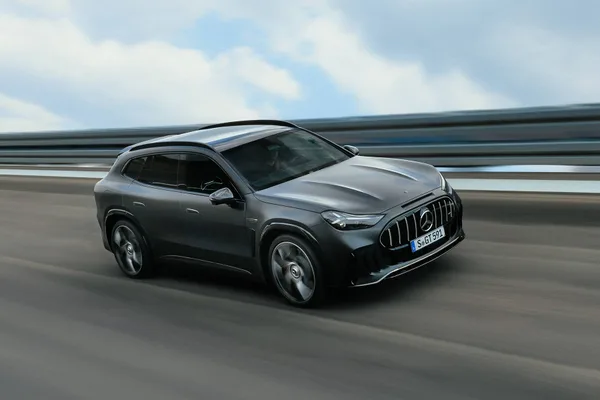
Mercedes-AMG revealed the electric GT SUV on October 17, 2026. The GT 63 makes 1,153 hp from three axial flux motors, charges at up to 710 kW, and wears six round taillights. One critic calls it handsome, another says its proportions look bloated.
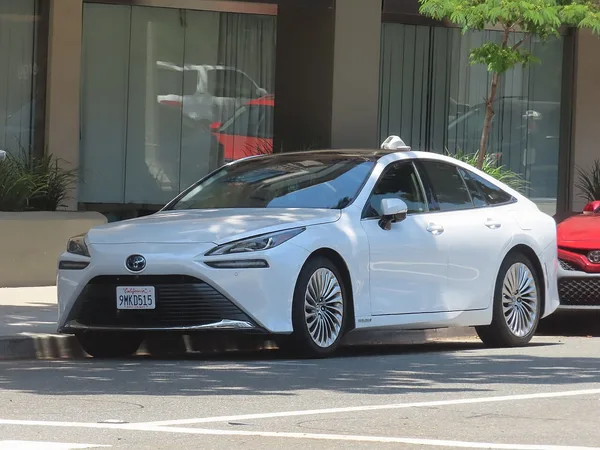
The Toyota Mirai makes its own electricity in a fuel cell that combines hydrogen with oxygen and leaves only water. Here is how the tanks, 402-mile range, and five-minute fill work, why the second generation went rear-drive, and why sales and stations keep shrinking.

Stand in any new car dealership and do a slow scan of the lot. Then do the same thing at the dealership next door. The silhouettes blur together. The crossover proportions are interchangeable. The front ends all have versions of the same aggressive grille flanked by the same split headlight treatment. The colors are white, gray, silver, black, and maybe one brave soul in red. You couldn't tell a Nissan Rogue from a Hyundai Tucson from a Chevrolet Equinox at fifty yards and that's not an accident. It's the output of a specific set of industry forces that have been running in the same direction for twenty years...
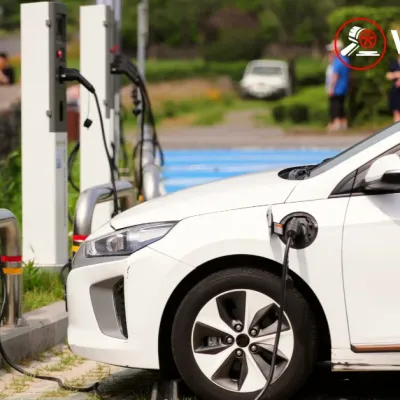
Electric vehicles solved the engineering problem. The range improved. The charging infrastructure is building out. The performance numbers are extraordinary. What nobody solved is the design problem, and the design problem is not about styling. It is structural. It is baked into the format at a level that cannot be fixed with better headlights or a more aggressive front end. The best EV designers in the world are working against physics and losing in specific ways that are visible in every faceoff where an EV goes up against a comparable combustion car...