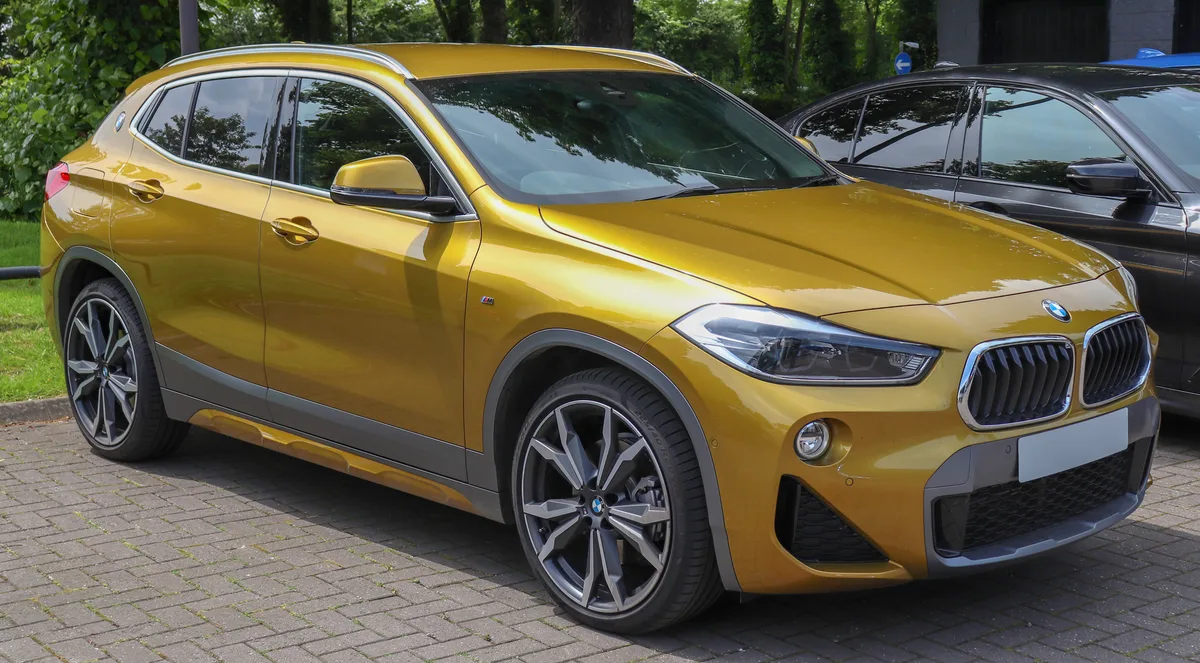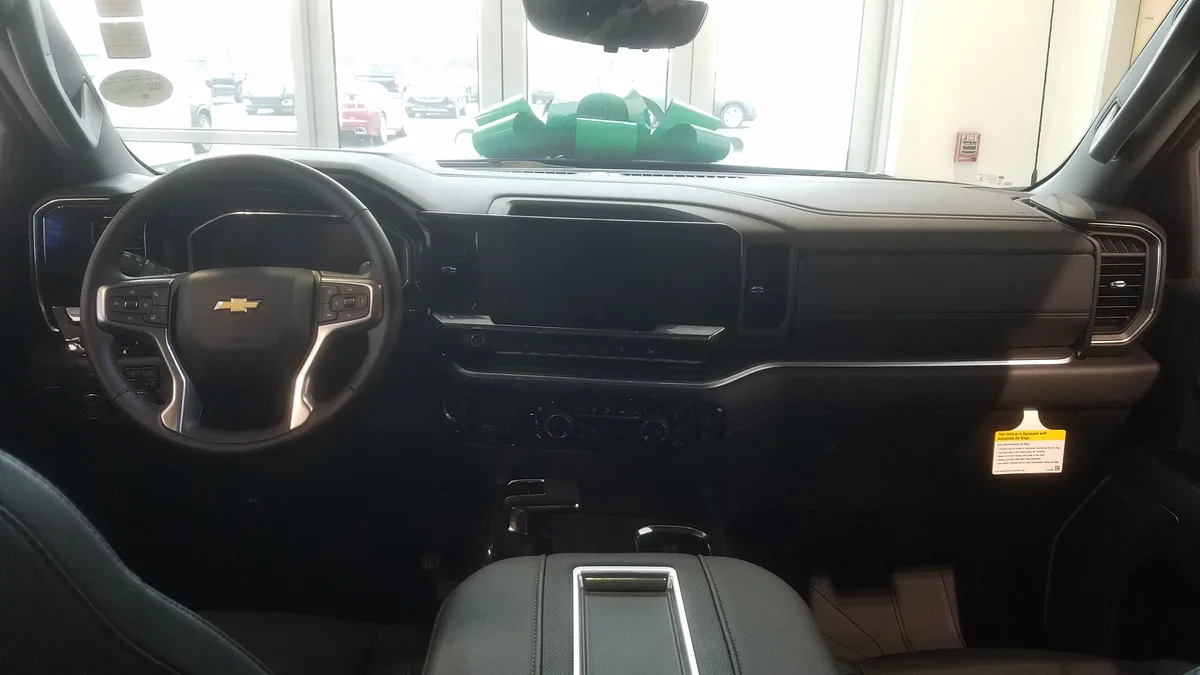

Walk through any parking lot in America and run a quick count. Crossovers, trucks, more crossovers, a few SUVs, one sedan that belongs to someone's dad. The cars that consistently rate highest on design, the ones that win awards and get photographed at auto shows, are largely absent. Meanwhile, the vehicles moving off dealer lots in the highest numbers are the ones that could generously be described as functional.
This is not an accident. There are real reasons Americans systematically pass on good looking cars, and most of them have nothing to do with taste.
Practicality Wins the Purchase Decision
The most visually compelling cars tend to make compromises for the sake of design. Low rooflines eat headroom. Wide body panels make parking harder. Sloping rear windows shrink cargo space. Sports car proportions mean two doors instead of four. These are not abstract trade-offs. They are real inconveniences that a family of four with two car seats, a dog, and a weekend hockey schedule cannot absorb.
Americans drive more than almost anyone else in the world. The average American drives over 13,000 miles per year, significantly more than Europeans or Asians. A car that looks spectacular but makes daily life harder is a car that loses the argument at the dealership every time, no matter how good it rates on a design site.
The Resale Value Calculation
Americans treat cars as financial instruments in a way that most other markets do not. Resale value is not an afterthought in the purchase decision. It is often the purchase decision. Which means buyers systematically gravitate toward vehicles with proven resale curves, strong reliability reputations, and established demand, regardless of how those vehicles look.
A Toyota RAV4 holds its value. A Genesis GV70 that looks dramatically better does not hold value at the same rate because the secondary market for Genesis vehicles has not matured. A Mazda3 depreciates faster than a Civic despite being a better designed car by almost every objective measure. The financial math punishes good design when it lives on an unfamiliar badge.
Trucks and SUVs Redefined What "Looks Good" Means
There is a version of this conversation where Americans actually do care about how their vehicles look. They just care about a different kind of look. The blacked-out trim package. The lifted suspension. The wide stance and aggressive front end of a full-size truck. These are not people indifferent to aesthetics. They are people whose aesthetic vocabulary was shaped by a completely different tradition than European sports sedan design.
American automotive culture developed around size, presence, and capability as visual signals. A Ram 1500 with a sport package communicates something specific to an American audience that a Volvo S90 simply does not, regardless of which one a European design jury would rate higher. Neither preference is wrong. They are just different design languages with different audiences.
The Badge Problem
Americans buy brands as much as they buy cars. The purchase of a BMW or Mercedes is partly a design decision and partly a social signal, and those two things are inseparable for most buyers. When a Genesis or a Cadillac or an Alfa Romeo produces a car that objectively looks better than its German competition, the badge undermines the signal even when the design delivers.
This is why the Kia Stinger, one of the best designed cars sold in America in the last decade, found only a fraction of the audience the Audi A5 found despite being cheaper, comparably equipped, and at least as good looking. The A5 buyer was partly buying the badge. The Stinger could not offer that, regardless of what the car itself looked like.
Dealer Culture Does Not Reward Design
The American dealership model is built around moving inventory that sells. Salespeople push what people ask for, and people ask for what they know. A customer who walks in saying they want a midsize SUV is not going to be redirected toward a beautifully designed sports sedan by a salesperson whose commission depends on closing the deal today.
Design discovery happens online, at auto shows, and in conversations among enthusiasts. That audience is vocal but small. The vast majority of car buyers arrive at a dealership with a category already decided and leave with the best-reviewed option in that category, which is almost never the best-looking one.
The Crossover Killed the Beautiful Car's Natural Habitat
The design forms that produce genuinely beautiful cars, low sports sedans, grand tourers, coupes, wagons, are exactly the forms that the crossover boom displaced. American buyers migrated to crossovers through the 2000s and 2010s for reasons of practicality, visibility, and perceived safety, and the market followed. Manufacturers stopped investing in the beautiful body styles because the sales volumes no longer justified it.
The result is a market where the most visually compelling designs are either niche products with limited availability or European imports priced above what most buyers can justify. The mass-market beautiful car largely does not exist in America anymore because the market decided, collectively and rationally, that it did not need one.
What This Means for WhipJury
Here is the interesting tension. Americans may not buy good looking cars in large numbers, but they have very strong opinions about how cars look. Put any ten people in front of a ranking exercise and the debates get heated fast. The Kia Stinger gets defended passionately by people who never bought one. The Mazda3 gets praised by people who drive a Camry.
There is a real gap between what Americans buy and what Americans think looks good. WhipJury lives in that gap. The rating is not about what you drive. It is about what you actually think looks right when no financial calculation is involved and nobody is watching.
That is a different and more honest conversation than what happens at a dealership. Come have it on WhipJury.

Jeffrey Wiley has spent more time than he'd like to admit thinking about what makes a car look right. He writes about automotive design, car culture, and the opinions people have strong feelings about. He lives in north Georgia.