Ceramic coating is worth it if you care how your paint looks and you understand what you are buying: a semi-permanent chemical layer that protects against UV fade, chemical etching, and dirt adhesion for two to five years. It is not worth it if you expect it to stop rock chips and scratches, because it will not, and the detailing industry has been happy to let people believe otherwise.
The product is real chemistry doing a real job. The marketing around it is some of the most inflated in the car world. Here is what a ceramic coating actually is, what it does and does not do, and how to decide between paying a professional and doing it yourself.
What Ceramic Coating Actually Is
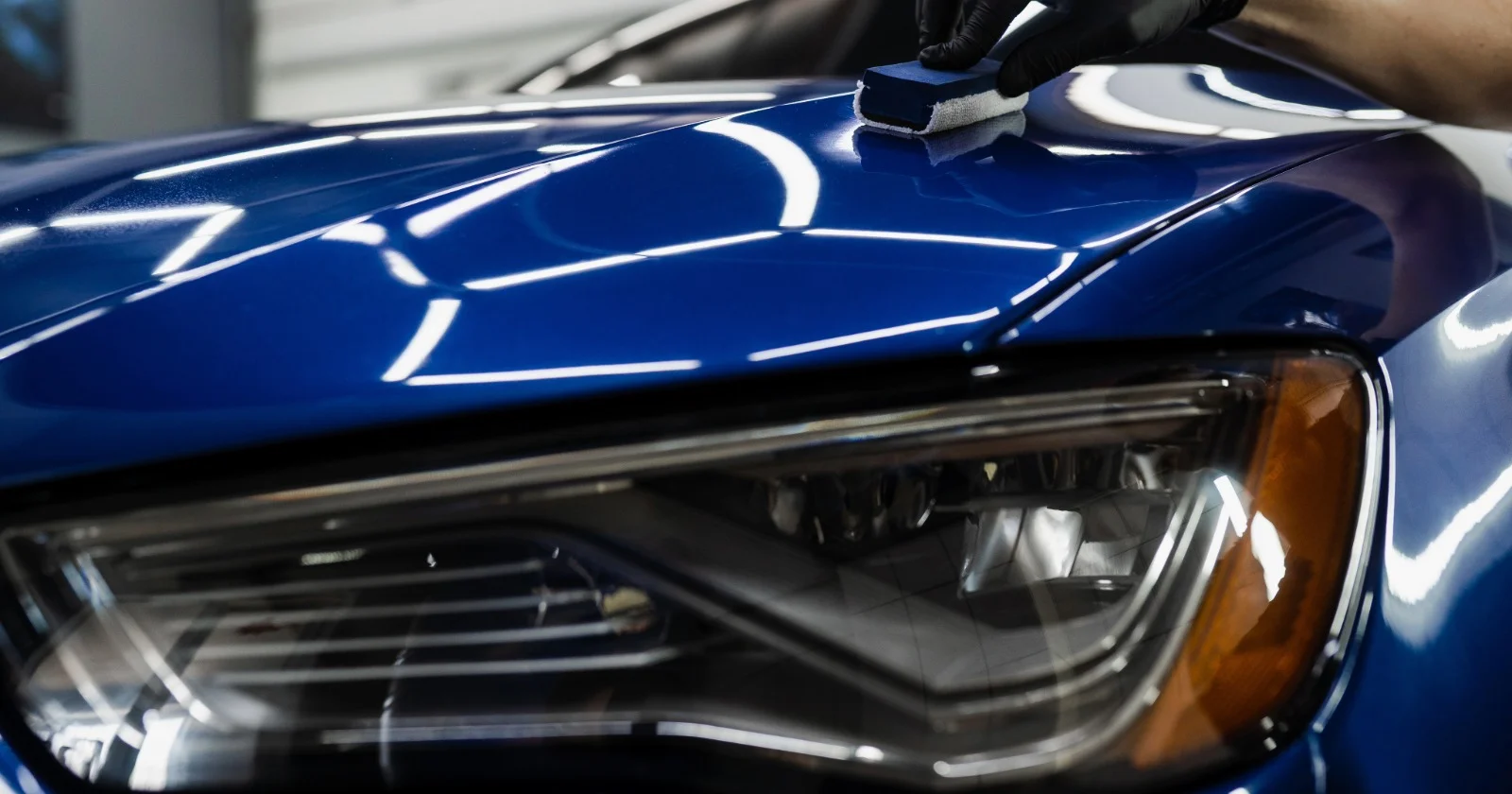
A ceramic coating is a liquid polymer, usually based on silicon dioxide (SiO2), that bonds chemically with your clear coat and cures into a thin, hard, glass-like layer. Unlike wax, which sits on top of the paint and washes away in weeks, a cured coating becomes part of the surface. Professional-grade products carry much higher SiO2 concentrations than consumer kits, which is most of why they last longer and cost more.
The signature effect is hydrophobics: water beads up and rolls off, taking dirt with it. That is the satisfying part you see in every detailing video, and it is genuine.
What It Does Well
A good coating blocks UV degradation, which is what slowly turns paint chalky and dull. It resists chemical etching from bird droppings, bug splatter, tree sap, and road salts, all of which can eat into unprotected clear coat if left to sit. It makes washing dramatically easier, because contamination struggles to bond to the slick surface. And it adds measurable gloss, deepening the look of the paint in a way that photographs extremely well.
For an enthusiast, the wash-time savings alone add up. A coated car rinses clean in half the time and needs no waxing, ever, for the life of the coating.
What It Does Not Do
A coating is microns thick. It will not stop rock chips, door dings, or real scratches, and anyone who tells you otherwise is selling something. It does not make the car maintenance-free: a coated car still needs regular washing, just easier washing. It does not fix existing paint defects, which is why professional installation includes paint correction first, because the coating locks in whatever finish is underneath it, swirls and all. And it is not armor against improper washing. Drag a dirty sponge across a coated car and you will still install scratches.
If chip and scratch protection is what you actually want, that product exists and it is called paint protection film. It costs several times more, and that price difference is the honest measure of how different the two jobs are.
Professional vs DIY
Professional application typically runs $600 to $2,500 depending on vehicle size and paint condition, and most of that price is labor: hours of decontamination and machine polishing before the coating ever comes out of the box. Done right, a professional coating lasts two to five years, with premium multi-layer systems claiming more.
DIY kits run $50 to $300 and realistically last one to three years. The chemistry is more forgiving than it used to be, and a careful owner with a free weekend can get a genuinely good result on paint that is already in decent shape. The catch is the prep. The coating step is easy. The paint correction before it is the skill, and skipping it means sealing your swirl marks under glass.
The math is straightforward: new-ish car with clean paint, DIY is a strong value. Older paint that needs correction, or a car you plan to keep for years, the professional job earns its price.
The Faceoff Payoff
Here is the part that matters in the arena: gloss wins votes. Side-by-side photos compress everything about a car into surfaces and reflections, and a coated, corrected paint job reads visibly deeper and wetter on camera than neglected paint, especially on dark colors. On WhipJury, where your daily driver is getting judged against strangers every day, paint condition is the single most controllable variable you have.
You cannot change your car's design from your driveway. You can absolutely change how light comes off it. Among cheap mods per vote gained, paint care embarrasses almost everything else.
Sources:
Coating benefits and limitations: FEYNLAB
Cost breakdown, professional vs DIY: Jimbo's Detailing
DIY coating myths and SiO2 concentrations: Ceramic Pro
Frequently Asked Questions

Jeffrey Wiley has spent more time than he'd like to admit thinking about what makes a car look right. He writes about automotive design, car culture, and the opinions people have strong feelings about. He lives in north Georgia.