Volkswagen Golf
Euro · Volkswagen

Volkswagen Golf: The Definitive Compact Hatchback
The Golf is one of the most important cars ever made, the compact hatchback that has defined the segment for decades across many generations.
Launched in 1974 to replace the Beetle, the Golf became Volkswagen's cornerstone and one of the best-selling cars in history, with tens of millions built. It set the template for the modern front-engine, front-wheel-drive compact hatchback, balancing practicality, quality, and driving enjoyment.
Across eight generations the Golf has remained a benchmark, spawning a huge family of variants including the sporty GTI and R, the practical wagon and Sportwagen, and diesel and electric versions. Its blend of refinement and versatility has made it a perennial class leader.
The Golf remains a global icon, frequently cited as one of the most influential and accomplished cars of the modern era.
Frequently asked questions about Volkswagen Golf
More on the Volkswagen Golf
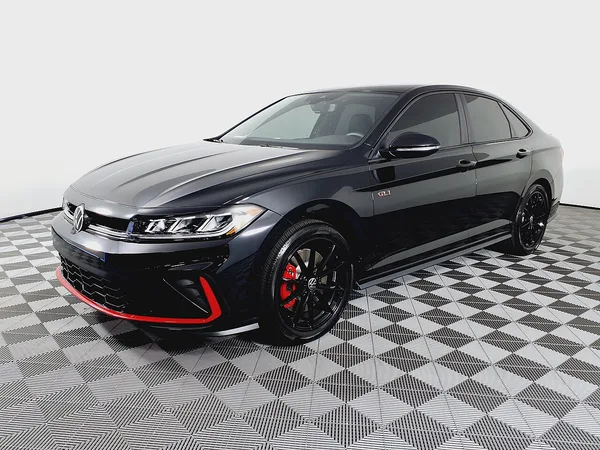
Volkswagen doesn't officially say what GLI stands for, even though it spells out GTI as Gran Turismo Injection. The Jetta GLI arrived in the US for 1984 as a "GTI with a trunk," and the 2027 car makes 228 hp with no manual option.
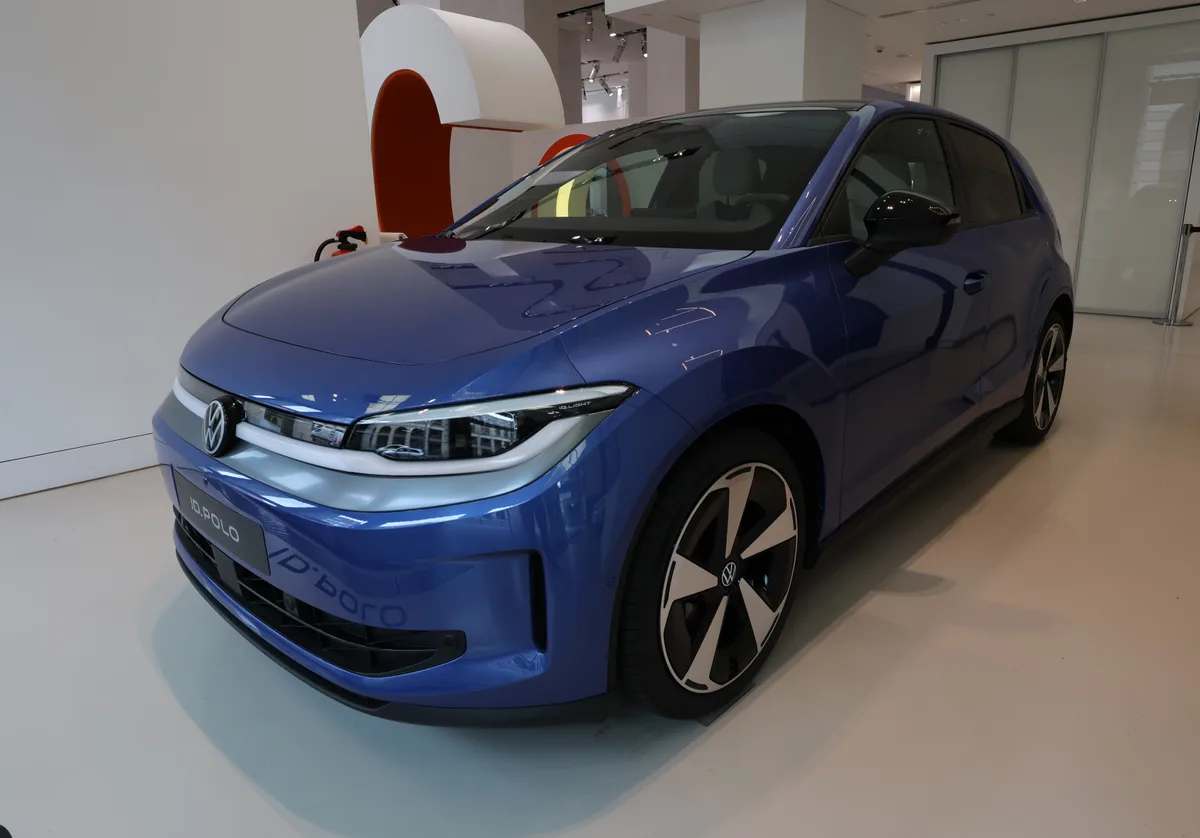
Volkswagen Group design chief Andreas Mindt says the industry's push toward mean-looking cars is nonsense, and that most buyers would rather their car looked happy than intimidating. The ID. Polo and ID.3 Neo are his evidence.
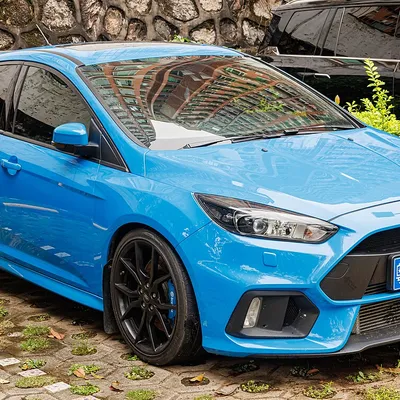
Ford built the Mk3 Focus RS for just three model years, and people still argue about it. It had 350 horsepower, a trick all-wheel-drive system that could shuffle torque across the rear axle, and a Drift Mode that actually worked. It also had a head gasket problem worth knowing about.
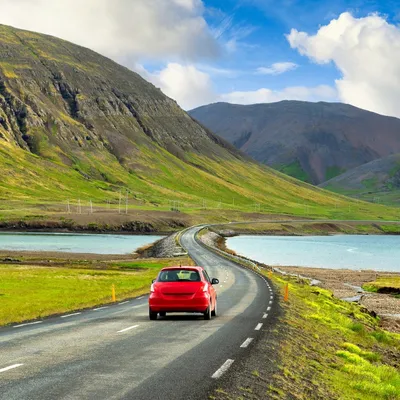
EDM stands for European Domestic Market: vehicles, parts, and styling built for sale in Europe, to European regulations. It is the European cousin of JDM and USDM, and the differences (engines, transmissions, lighting, and models we never got) are exactly why enthusiasts chase EDM cars.