Volkswagen Bus
Euro · Volkswagen

Volkswagen Bus: The Counterculture Icon
The VW Bus, or Type 2, is a beloved icon, the boxy van that became a symbol of the 1960s counterculture and the original camper van.
Introduced in 1950, the Type 2, known affectionately as the Bus, Microbus, Transporter, or Kombi, took the Beetle's mechanicals and wrapped them in a spacious box. Its versatility made it a van, minibus, pickup, and camper all in one.
The early split-window (T1) and later bay-window (T2) models became enduring symbols of the 1960s and 1970s counterculture, hippie travel, and the surf and van-life lifestyle. Their charming looks and practicality made them beloved worldwide.
The air-cooled Bus evolved through later generations, and its spirit lives on today in the electric ID. Buzz. Vintage Buses, especially split-window campers, are now highly collectible.
Frequently asked questions about Volkswagen Bus
More on the Volkswagen Bus
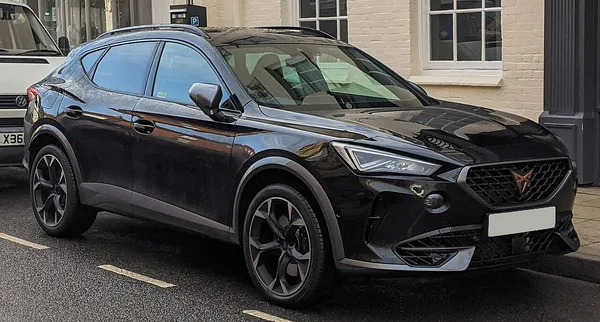
Cupra and SEAT are separate brands from the same Volkswagen Group company, SEAT S.A. Cupra started as SEAT's performance badge in 1996 and went solo in 2018. Here's how the Leon wears both badges, why Cupra now outsells SEAT, and where the US launch stands.
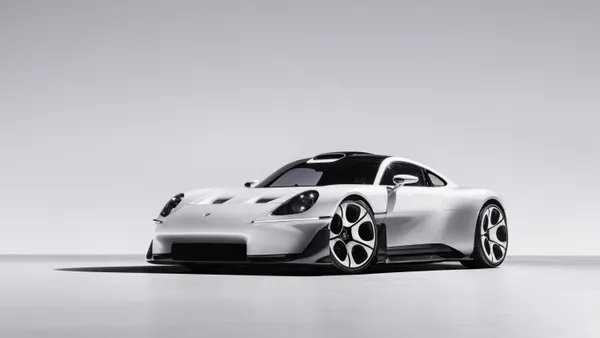
Porsche revealed the Mission S concept on October 15 with no built-in center screen. A MagSafe mount holds the driver's phone instead, beside five round gauges and push-pull knobs. Editors at The Drive and Motor1 welcomed the choice, and the CEO said a manual is possible.
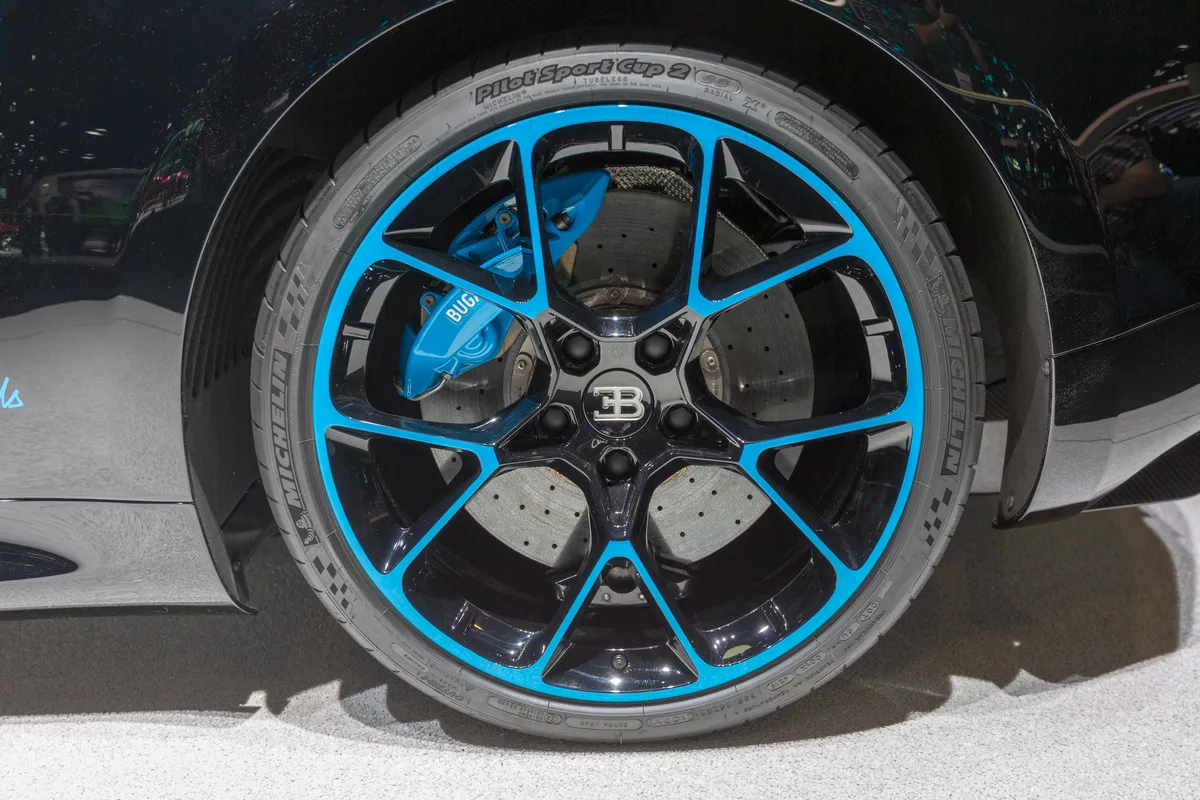
Porsche has sold its 21 percent of Rimac Group and 45 percent of the Bugatti Rimac joint venture for about €1 billion, ending Volkswagen Group's involvement with Bugatti. Mate Rimac, who started by converting an old BMW to electric power in a Croatian garage, is now president of a marque founded in 1909.
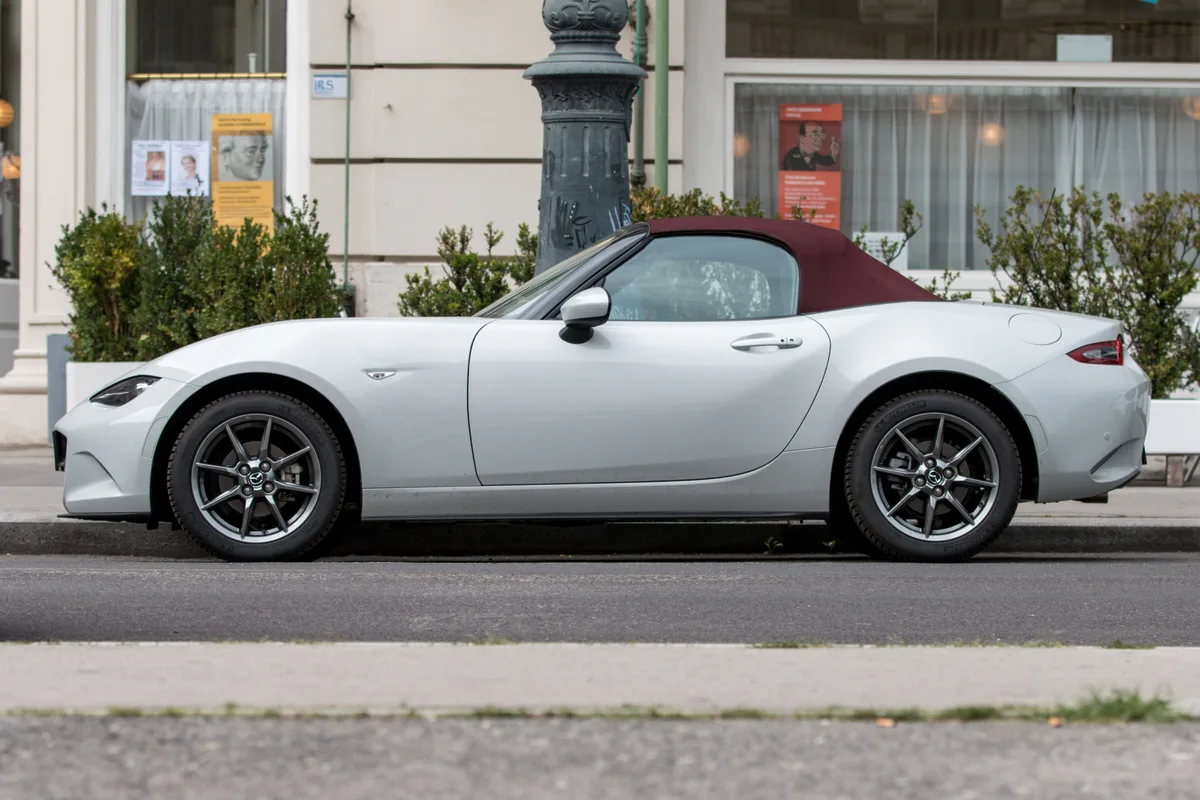
You can still buy a new manual sports car for about $30,000 in 2026, but the list is short. Here's every one that matters, with current prices, ranked by how much more expensive it looks than it is. The Miata and GR86 win, and the reason is proportions.