Pontiac Trans Am
Classic · Pontiac
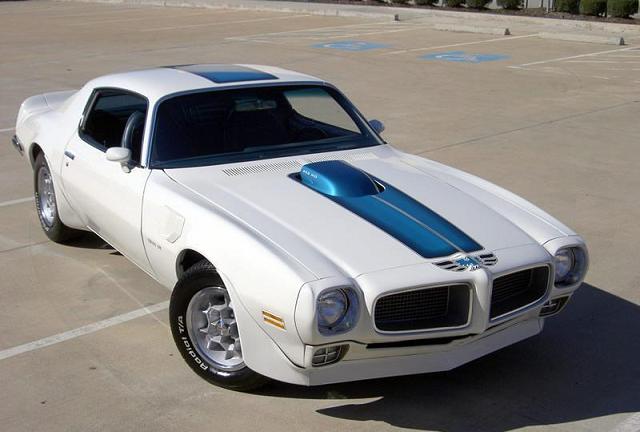
Pontiac's iconic Firebird trim. The 1977 Trans Am with screaming chicken hood decal is one of the most recognizable American cars.
The Pontiac Trans Am is a focused performance trim of the Firebird, available across multiple Firebird generations from 1969 to 2002. The Trans Am was Pontiac flagship sport coupe; multiple generations have refined the formula from the original to the fourth-generation Trans Am with LS1 V8. The 1977-1981 Trans Am with the screaming chicken hood decal is one of the most culturally recognizable American cars. The Smokey and the Bandit film (1977) made the Trans Am cultural icon. The 1989 20th Anniversary Trans Am Indy Pace Car (turbocharged V6) is a cult collector item. The fourth-generation Trans Am WS6 (1998-2002) with the LS1 V8 is now an affordable used RWD V8 platform. Production ended with the Firebird in 2002. Modern Trans Am Restomod and tribute cars exist; the original Trans Am name has not been revived in production. On WhipJury, Trans Am submissions are common across multiple generations, particularly fourth-generation examples and classic 1977-1981 cars.
Trans Am generations
First (1969-1981). Iconic 1977 era. Screaming chicken hood. Smokey and the Bandit fame.
Second (1982-1992). Refined first generation.
Third (1993-1997). Modern era. LT1 V8 standard.
Fourth (1998-2002). LS1 V8. Final generation.
Frequently asked questions about Pontiac Trans Am
More on the Pontiac Trans Am
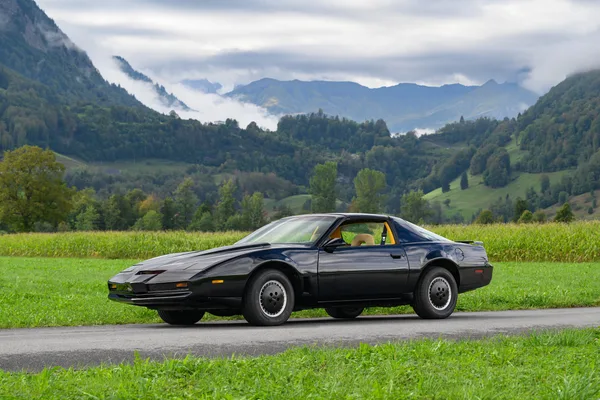
A 1982 Pontiac Trans Am that toured Europe with David Hasselhoff as KITT goes to auction in Zürich on November 7. Broad Arrow says it was stolen in Italy in the 1990s and recovered through Interpol, minus its original dashboard electronics.
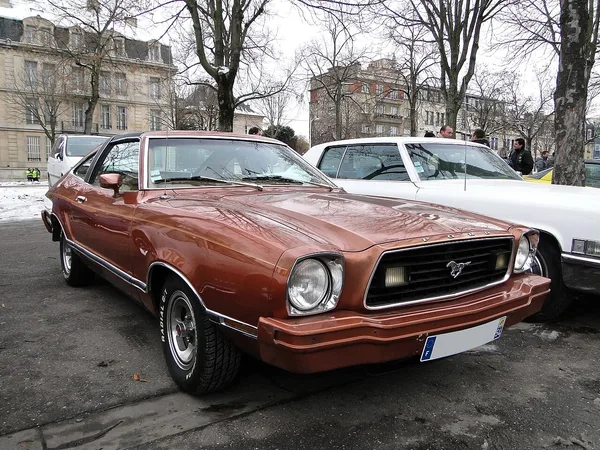
The malaise era covers American cars from about 1973 to 1983, when the oil embargo, fuel economy rules, catalytic converters, and 5 mph bumpers cut power and reshaped styling. The base 1975 Corvette made 165 hp, and Jimmy Carter never actually said "malaise."

American car design peaked twice. The first peak was the 1950s, when post-war prosperity and genuine cultural euphoria produced colors, proportions, and detail work that no subsequent era has matched. The second peak was shorter, more aggressive, and in many ways more interesting: the roughly decade-long window from 1964 to 1974 when American muscle car design produced some of the most visually forceful objects ever put on public roads. Then four things happened simultaneously and it was over within eighteen months...
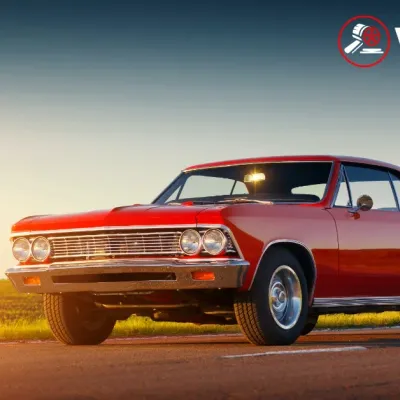
The 1969 Ford Mustang Mach 1 looks better today than it did when it was new. The 2002 Pontiac Aztek looks exactly as bad as it did in 2002, possibly worse now that the cultural context that produced it has faded. Both cars are over twenty years old. Only one of them aged. The question of why some cars improve with time and others calcify into their worst qualities is worth taking seriously because the answer tells you something about what good design actually is...