Pontiac GTO
Classic · Pontiac

The first muscle car (1964). 389 V8 in a mid-size LeMans created the formula every American muscle car copied.
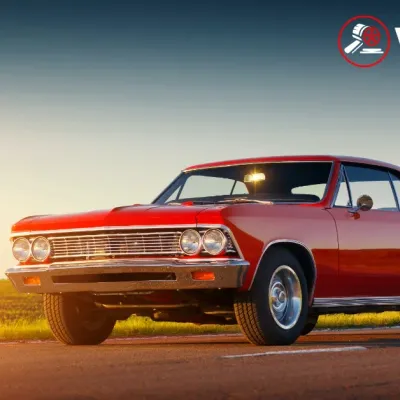
The Pontiac GTO is widely credited as the first true muscle car. The original 1964 GTO was a Pontiac LeMans with the 389 V8 (originally optional on the larger Bonneville) fitted as an option. The car was the brainchild of Pontiac chief engineer John DeLorean (later of DeLorean DMC-12 fame), who pushed the option through GM resistance to create a high-performance compact car. The 1964-1967 first generation GTO is the most collectible. The 1968-1972 "judge" variant added focused performance. The 2004-2006 modern GTO (rebadged Holden Monaro) brought the nameplate back briefly. Production of the original GTO ended in 1974 with the second oil crisis. Modern GTO prices have appreciated. Clean original 1964-1967 GTOs sell for $40,000-$80,000+ at auction; rare variants (442 Tri-Power, GTO Judge) command higher prices. On WhipJury, GTO submissions are uncommon but always memorable, particularly classic 1964-1967 examples.
GTO generations
First (1964-1967). Original. Most collectible.
Second (1968-1972). Judge variant introduced.
Third (1973-1974). Final original GTO.
Modern (2004-2006). Rebadged Holden Monaro. Brief revival.
Frequently asked questions about Pontiac GTO
More on the Pontiac GTO

American car design peaked twice. The first peak was the 1950s, when post-war prosperity and genuine cultural euphoria produced colors, proportions, and detail work that no subsequent era has matched. The second peak was shorter, more aggressive, and in many ways more interesting: the roughly decade-long window from 1964 to 1974 when American muscle car design produced some of the most visually forceful objects ever put on public roads. Then four things happened simultaneously and it was over within eighteen months...
The 1969 Ford Mustang Mach 1 looks better today than it did when it was new. The 2002 Pontiac Aztek looks exactly as bad as it did in 2002, possibly worse now that the cultural context that produced it has faded. Both cars are over twenty years old. Only one of them aged. The question of why some cars improve with time and others calcify into their worst qualities is worth taking seriously because the answer tells you something about what good design actually is...