Pontiac Cars
Classic · 16 models

The GTO. The Trans Am. The Firebird. Pontiac defined American performance from the 1960s through the 1970s before slow death and discontinuation in 2010.
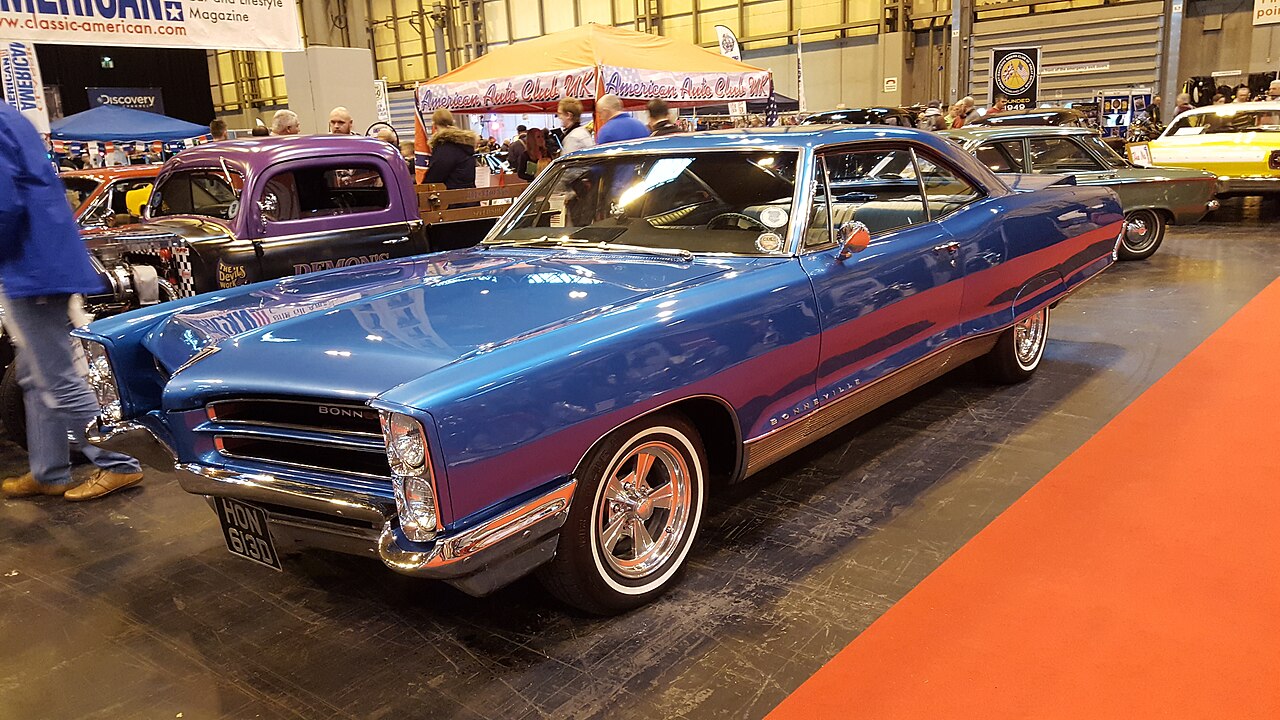
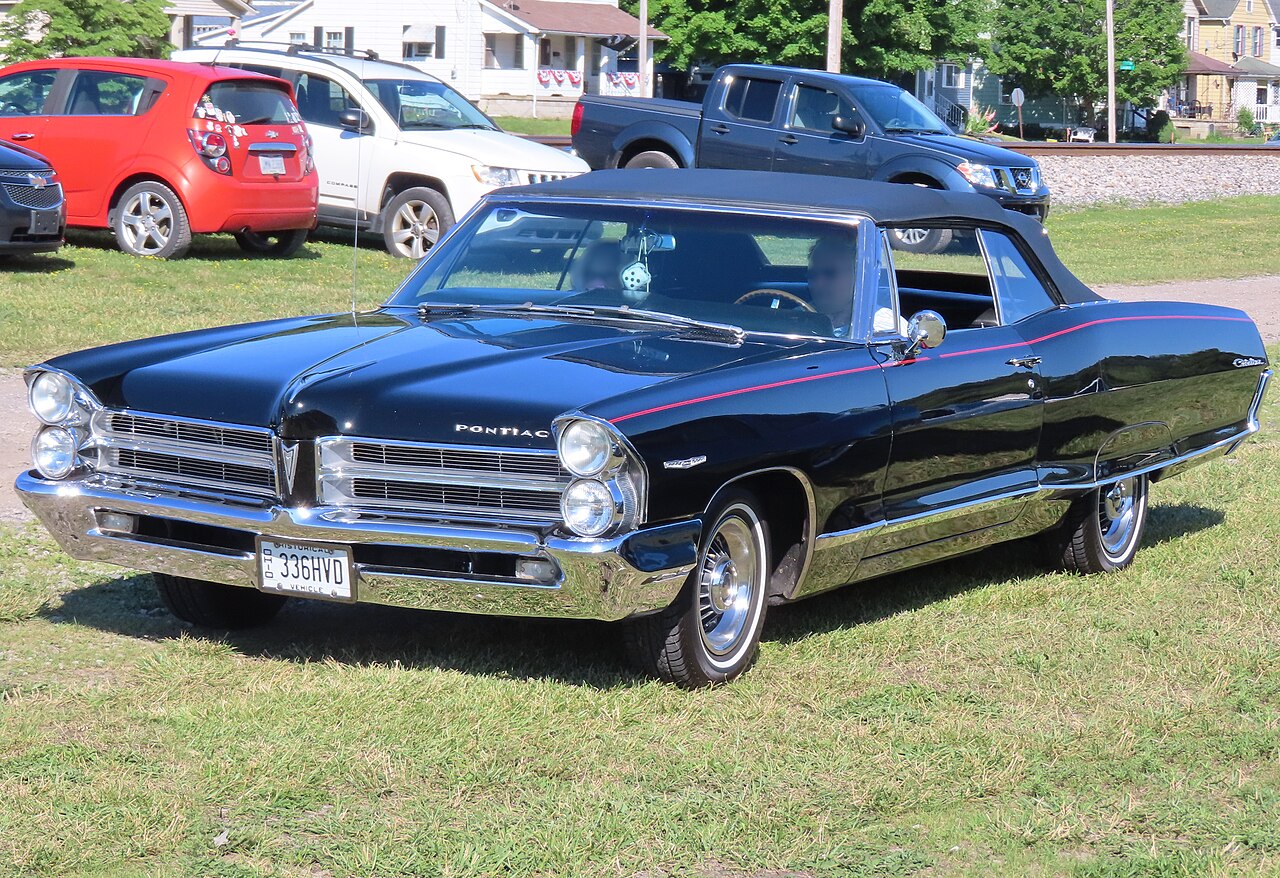
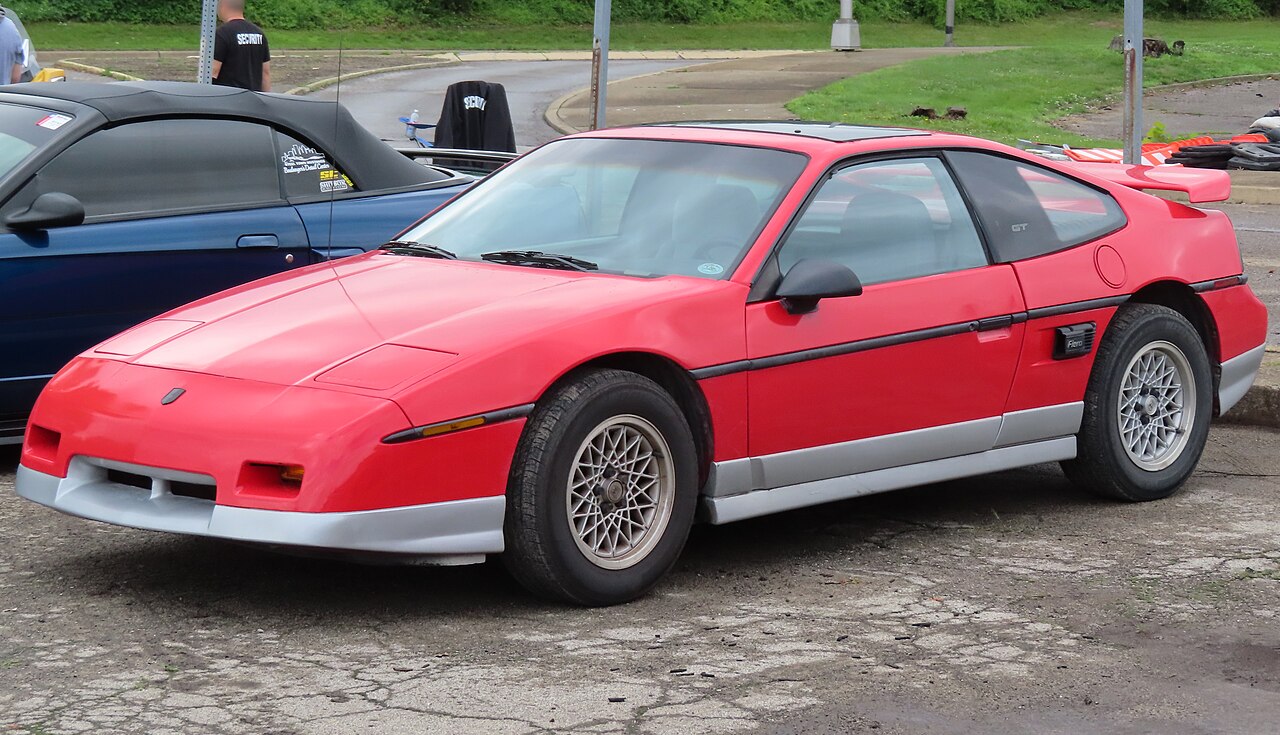
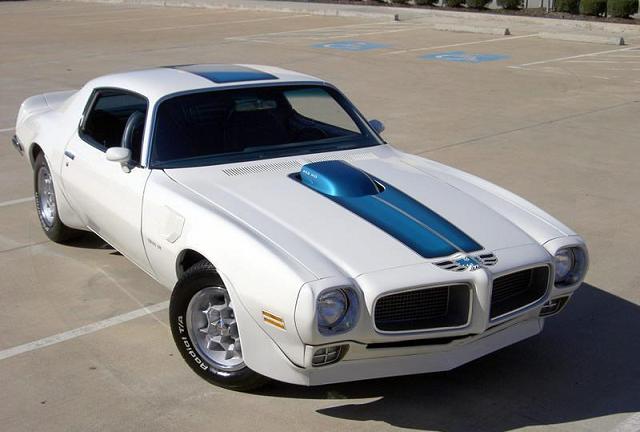
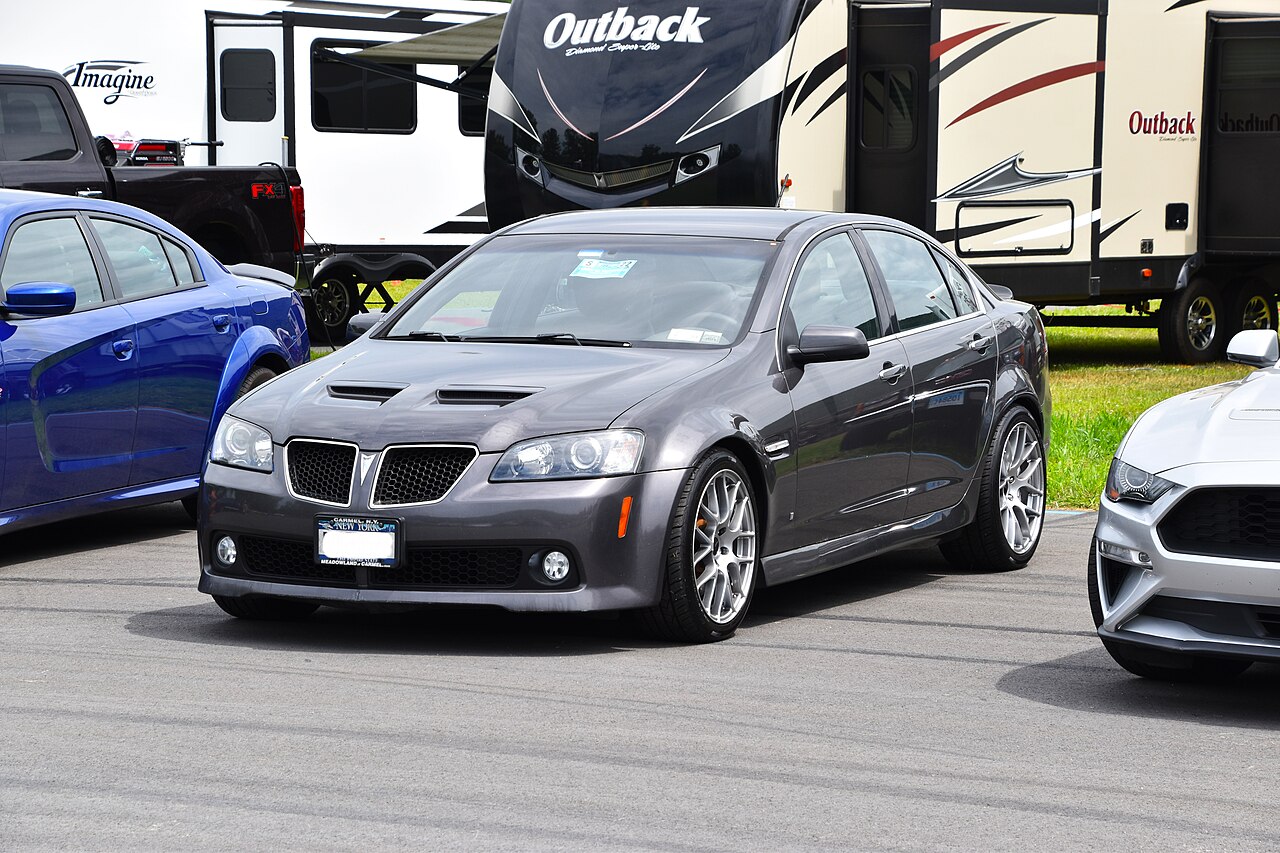
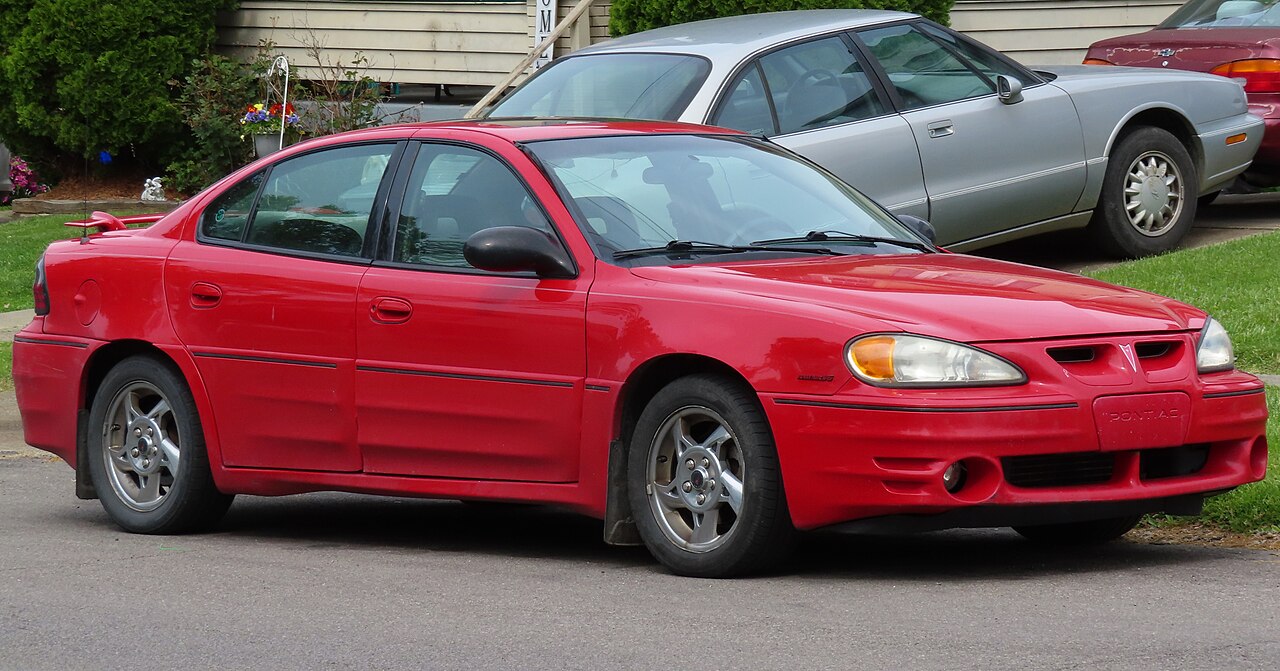
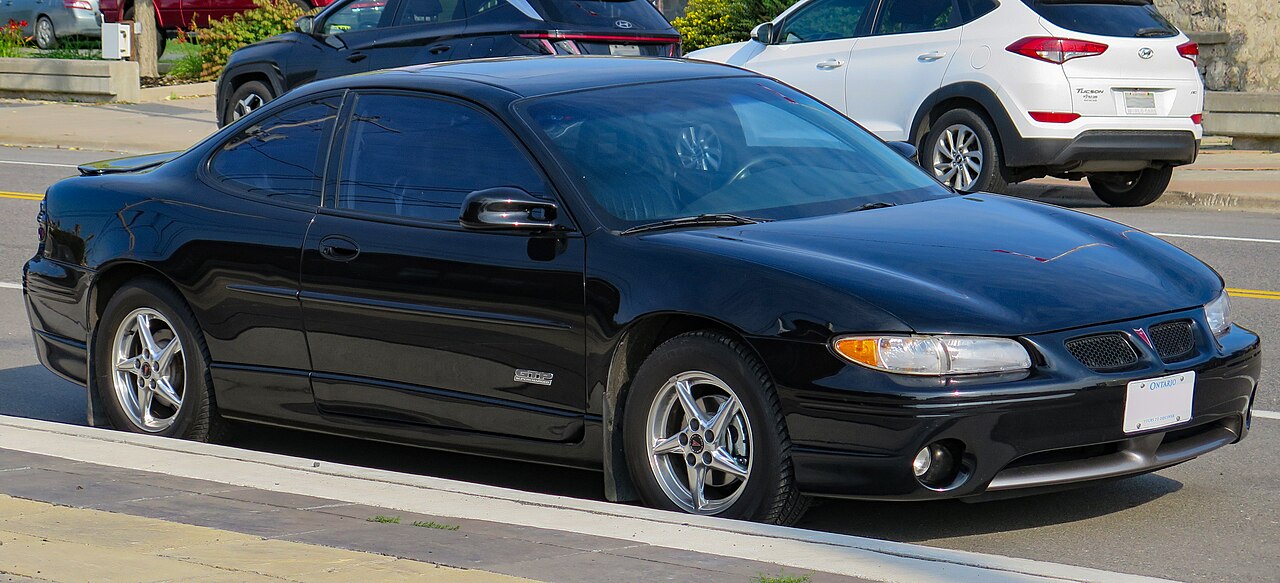
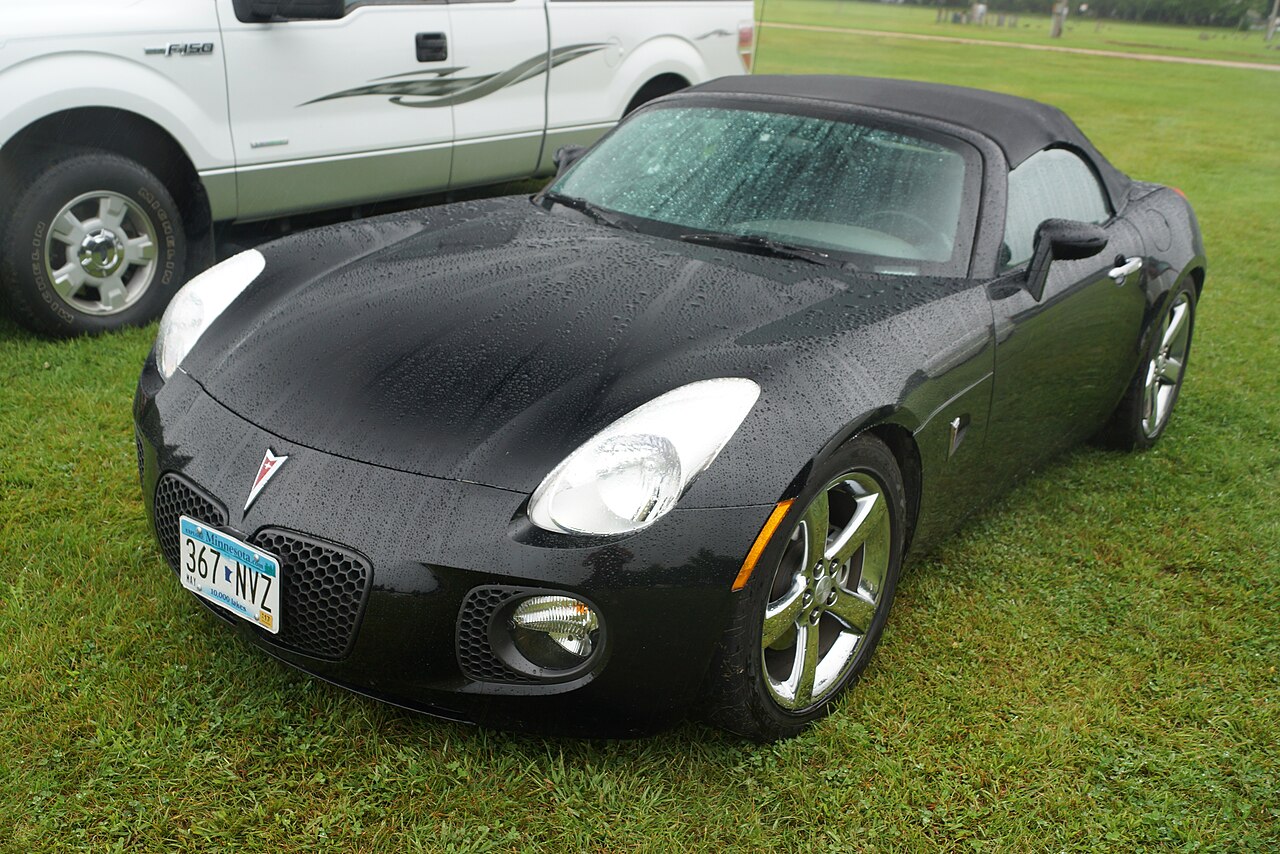
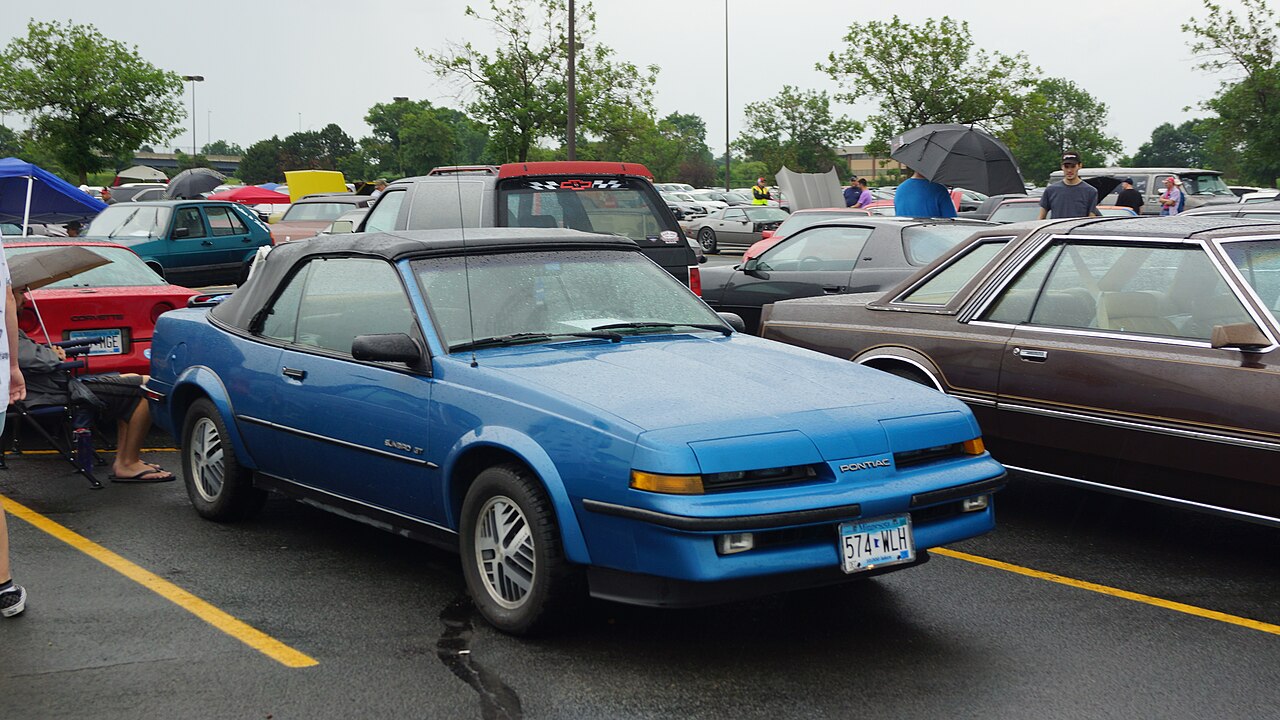
ClassicPontiac was General Motors performance brand for most of the 20th century, defining American muscle car culture in the 1960s and 1970s before slow decline and final discontinuation in 2010 during the GM bankruptcy restructuring. The brand cultural footprint substantially exceeds its current commercial relevance. The 1964 GTO is widely credited as the first true muscle car. The car was effectively a Pontiac LeMans with the 389 V8 from the larger Bonneville fitted as an option, creating a relatively compact body with disproportionate power. The GTO won Motor Trend Car of the Year in 1968 and established the formula every subsequent muscle car copied: large V8 in a mid-size body at a relatively affordable price point. The Firebird and Trans Am extended the formula. The 1977 Firebird Trans Am with the 6.6 liter V8 (the Smokey and the Bandit car) is one of the most culturally recognizable American cars of the 1970s. The third-generation Firebird (1982-1992) and fourth-generation Firebird (1993-2002) carried the lineage to the end. The fourth-gen Firebird Trans Am with the LS1 V8 is now a value buy for buyers wanting RWD V8 performance. The G8 (2008-2009) was Pontiac final flagship: a rear-drive sport sedan based on the Australian Holden Commodore platform, available with the 6.0 LS V8 in GT trim or the 6.2 LS3 in GXP trim. Production was cut short by the GM bankruptcy. Today the G8 is a cult favorite as the Pontiac that never got to develop a proper successor. Other significant Pontiacs include the original Bonneville and Catalina sedans, the Firebird Formula, the Trans Am SD-455 (one of the rarest American muscle cars ever produced), the Fiero mid-engine sport coupe (1984-1988, polarizing but with a small cult following), and the Solstice roadster (2006-2010). On WhipJury, Pontiac submissions are heavy on Firebird Trans Ams (especially second-gen and fourth-gen LS1), classic GTOs, the rare G8 GXP, and the occasional Solstice or Fiero.
Pontiac models we cover

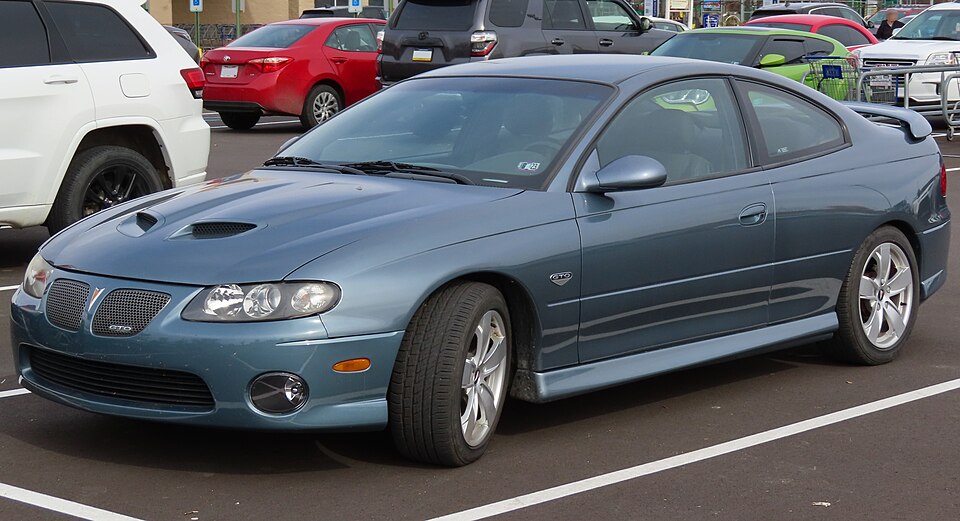
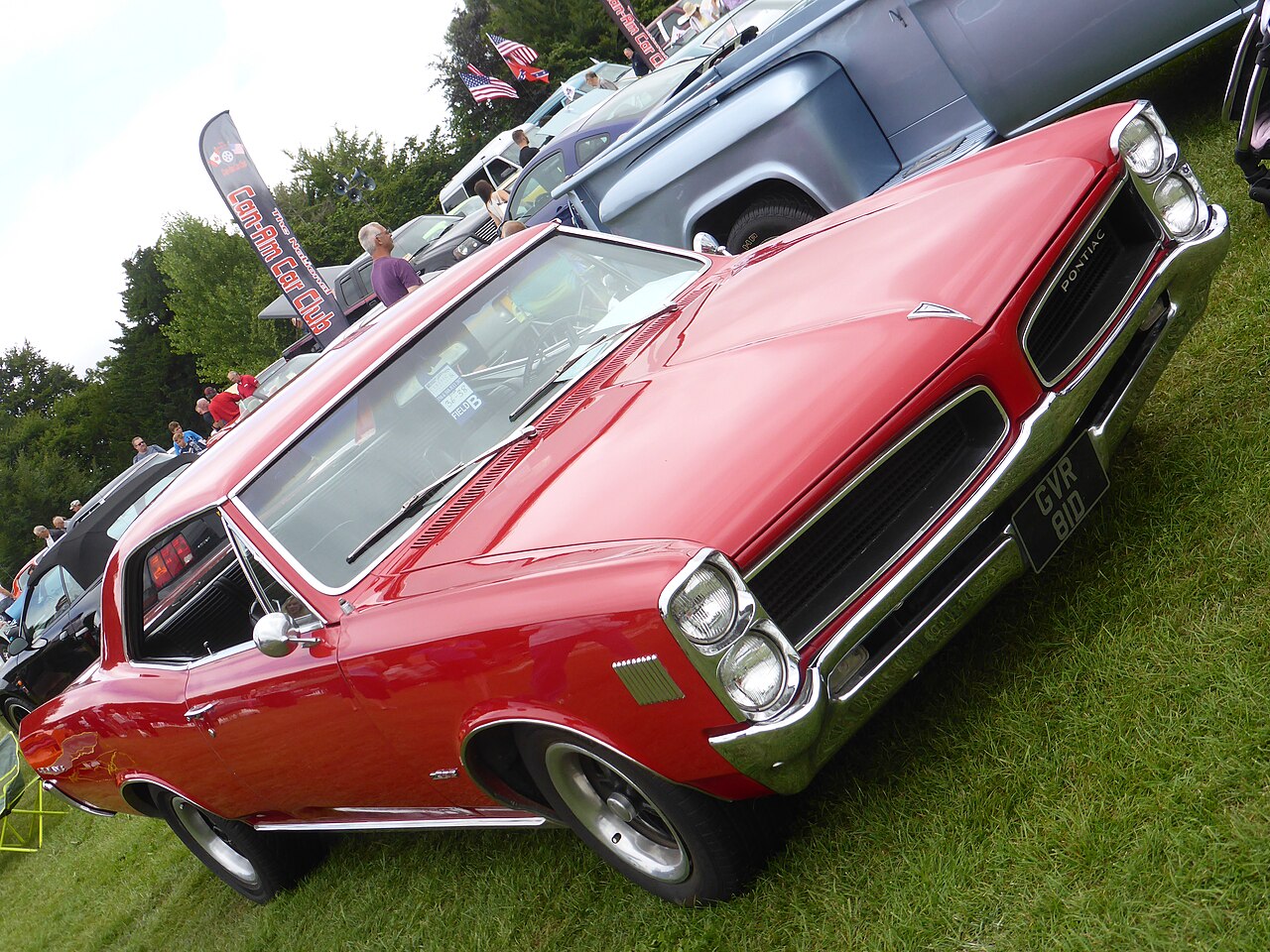
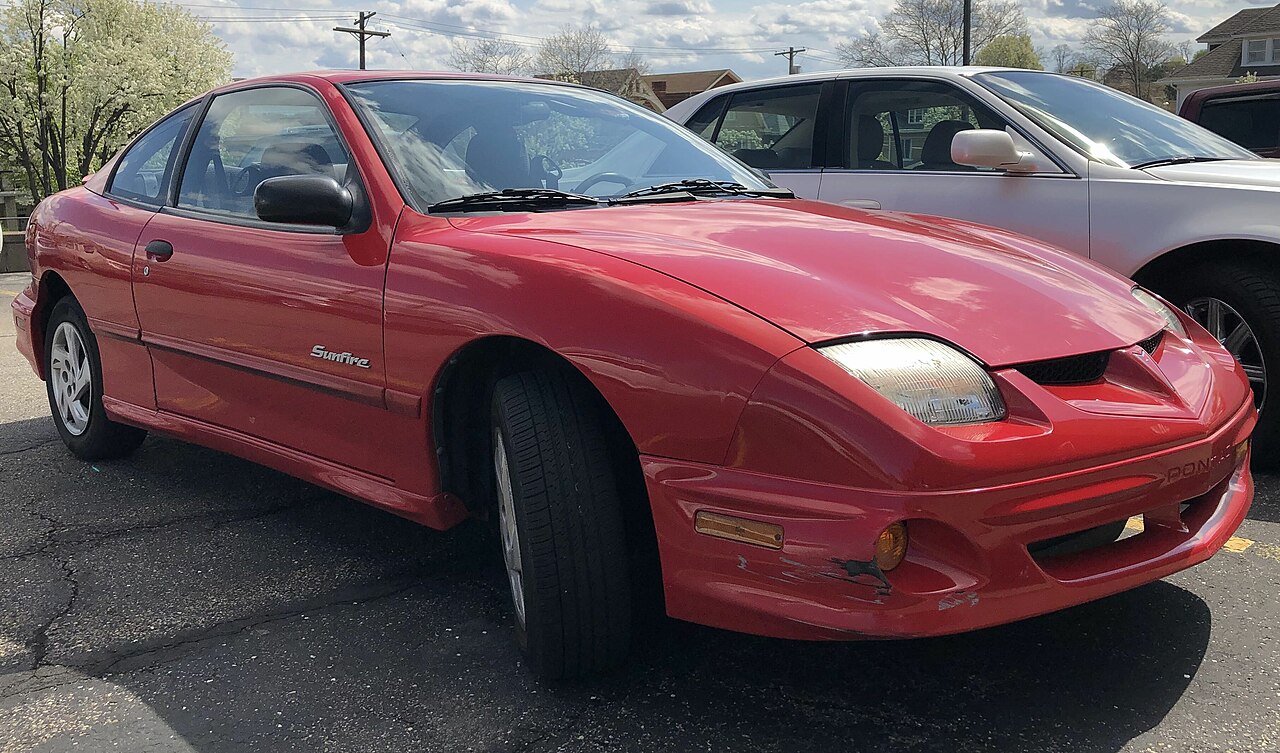
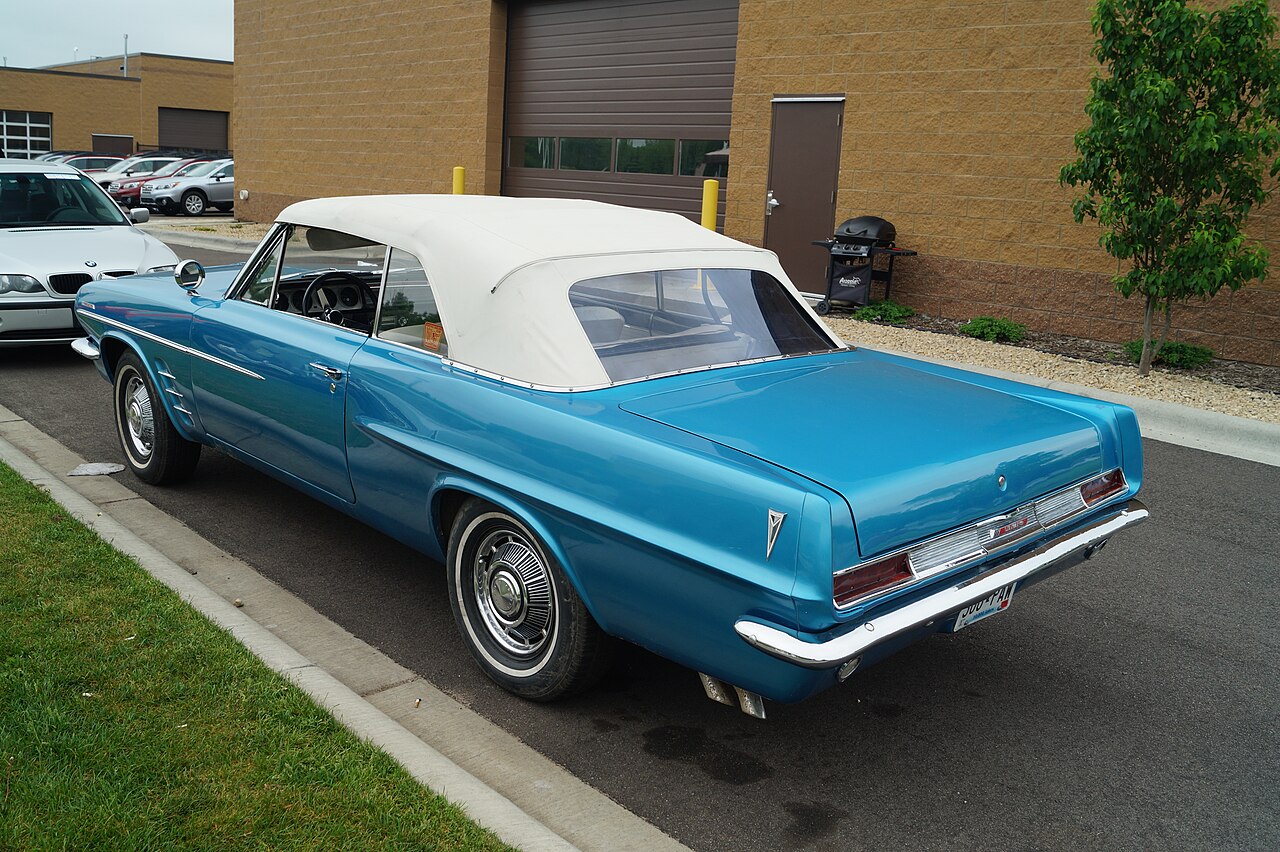
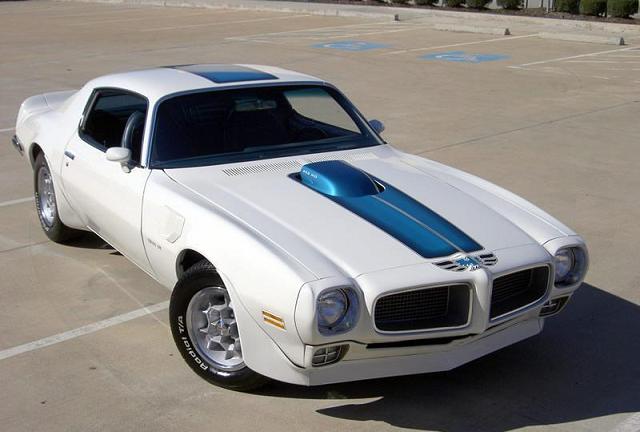
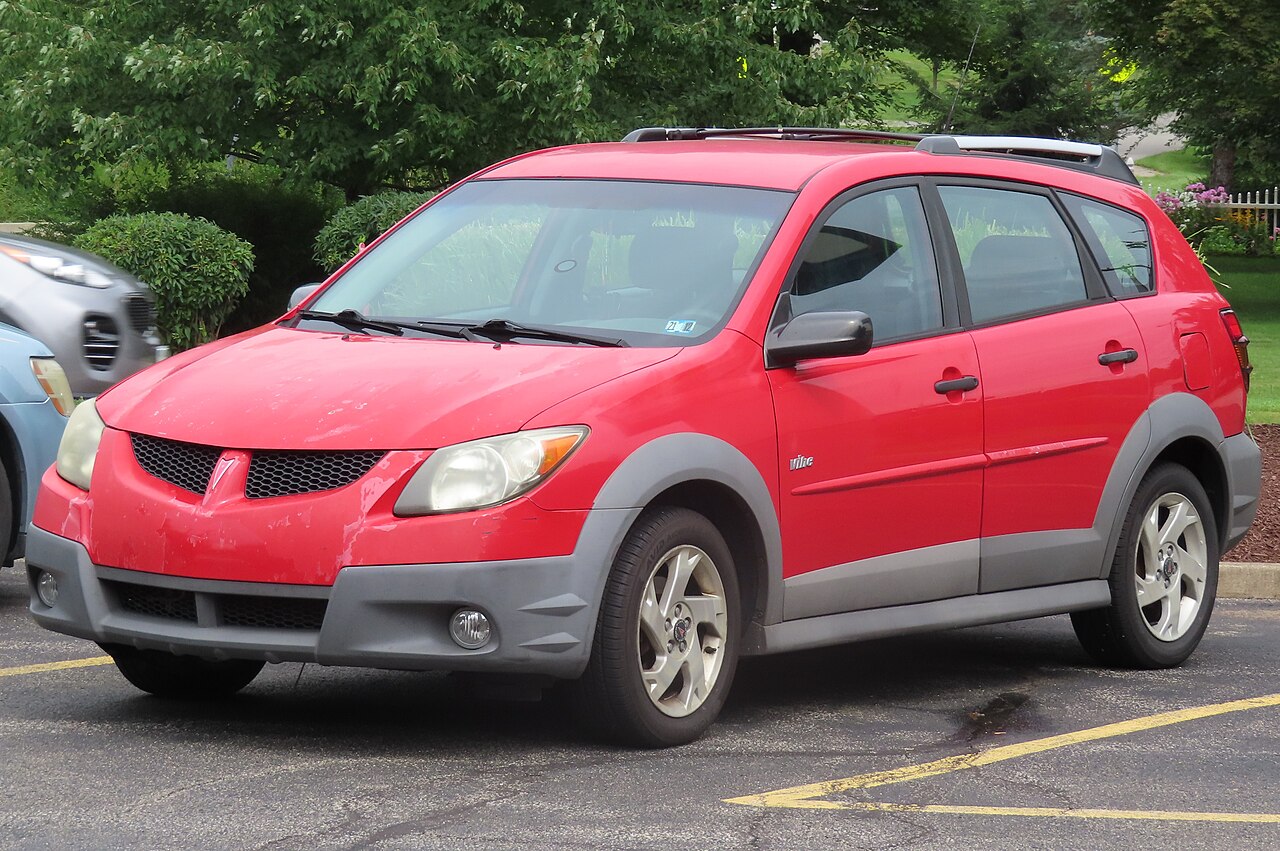
The GTO
The original 1964 GTO was a Pontiac LeMans with the 389 V8 (originally optional on the larger Bonneville) fitted as an option. The car was the brainchild of Pontiac chief engineer John DeLorean (later of DeLorean DMC-12 fame), who pushed the option through GM resistance to create a high-performance compact car. Sales exceeded projections in the first year, and every American maker followed with similar high-performance compacts through the 1970s.
The Firebird
The Firebird ran from 1967 to 2002 across four generations. The Firebird Trans Am (introduced for the 1969 model year) was the focused performance variant. The 1977-1981 Trans Am with the screaming chicken hood decal is the most culturally recognizable. The 1989 20th Anniversary Trans Am Indy Pace Car (turbocharged V6) is a cult collector item. The fourth-generation Firebird Trans Am WS6 (1998-2002) with the LS1 V8 is now an affordable used RWD V8 platform.
Pontiac on WhipJury
Firebird Trans Am submissions across all generations are common, with second-gen (1970-1981) and fourth-gen (1993-2002) being most common. Original 1960s GTOs in restored or restomod form reliably do well in voting. The G8 GXP is rare and always memorable. The community treats Pontiac as the dead-but-loved American performance brand of an earlier era.