Hyundai Cars
Korean · 18 models

From budget econoboxes to the N division and the Ioniq 5. The Genesis Coupe gave drifters a cheap rear-drive platform, and the N cars now embarrass hot hatches twice their price.
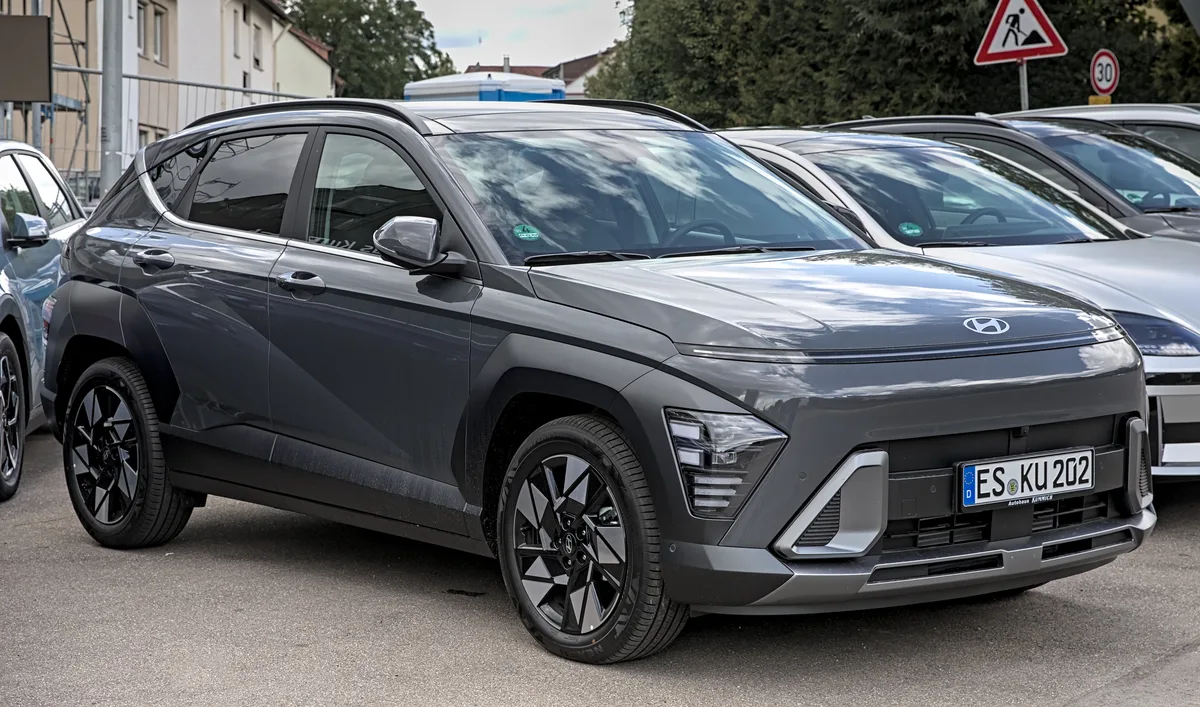
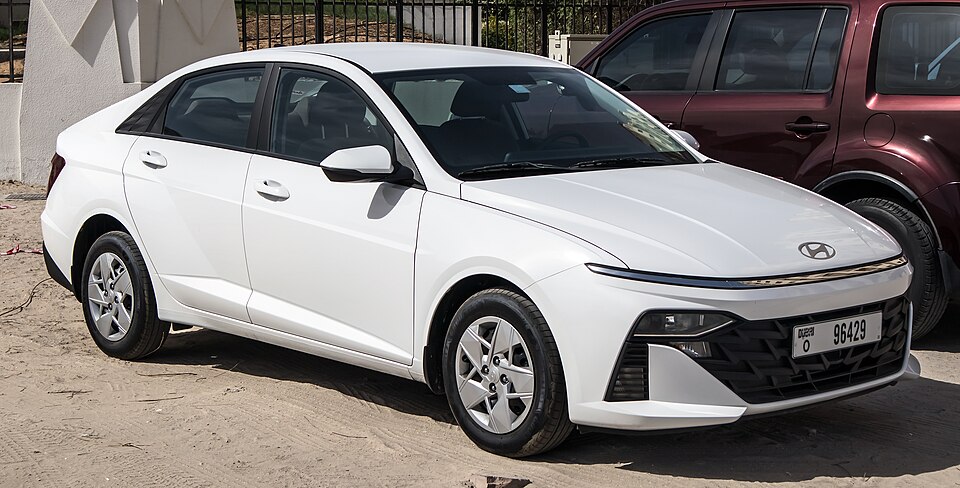
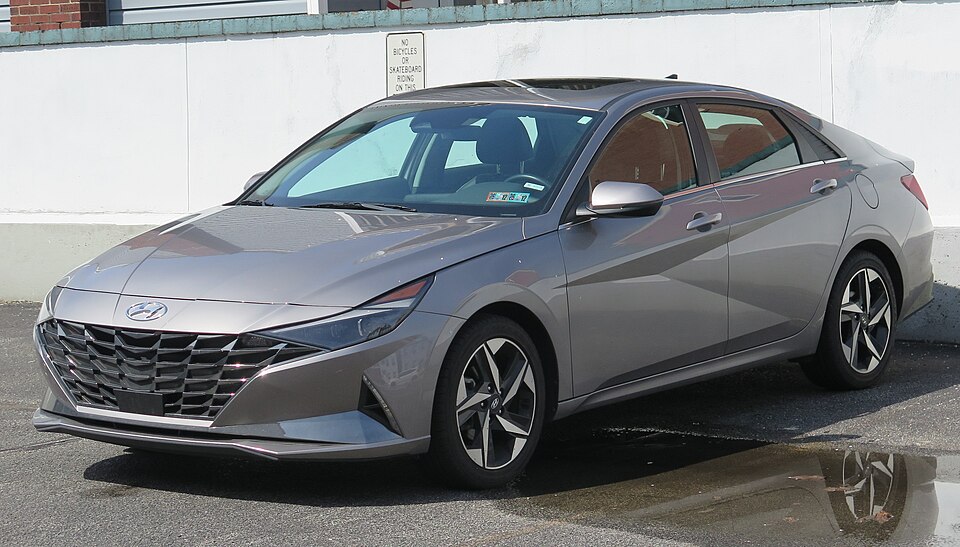
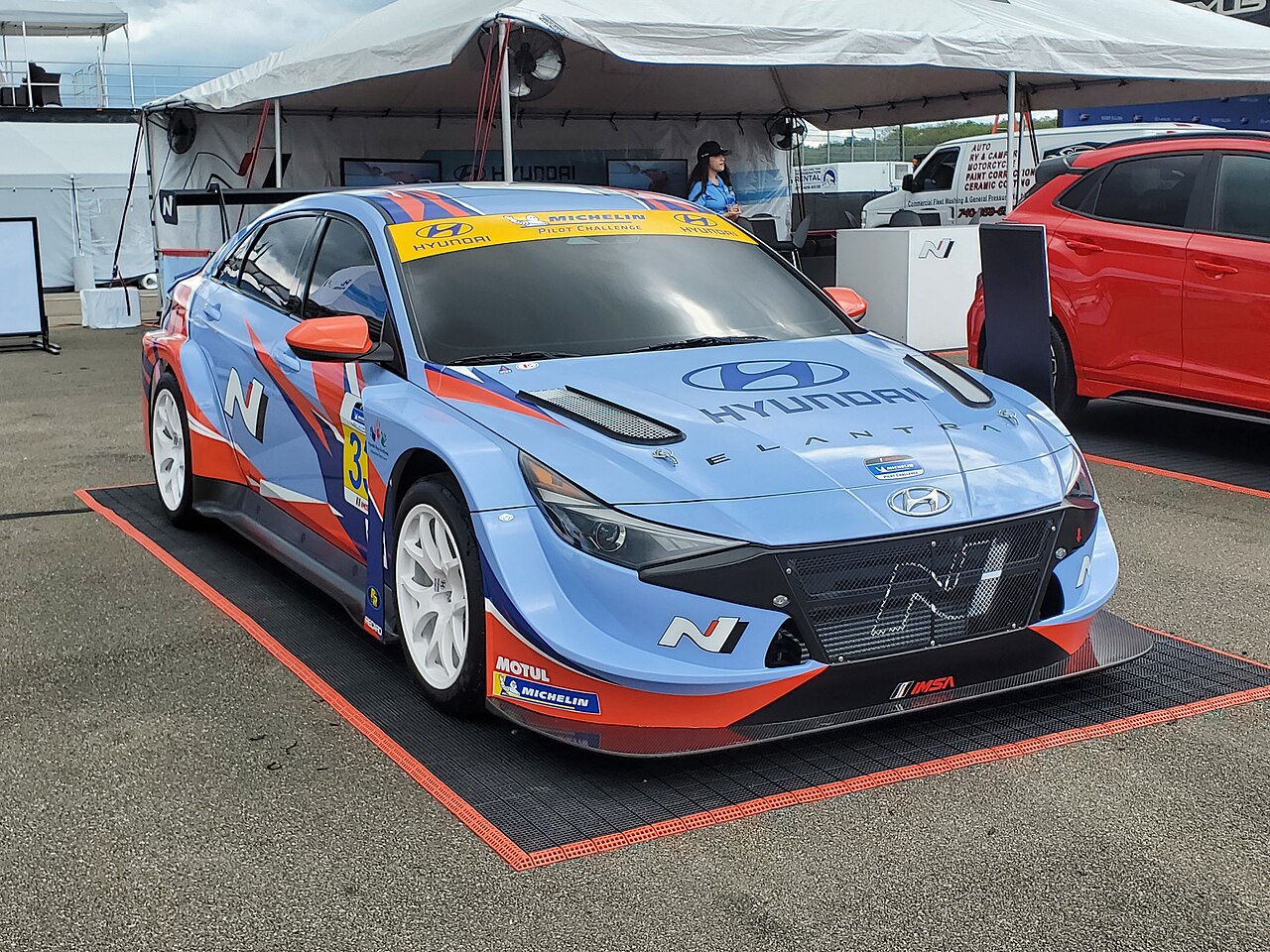
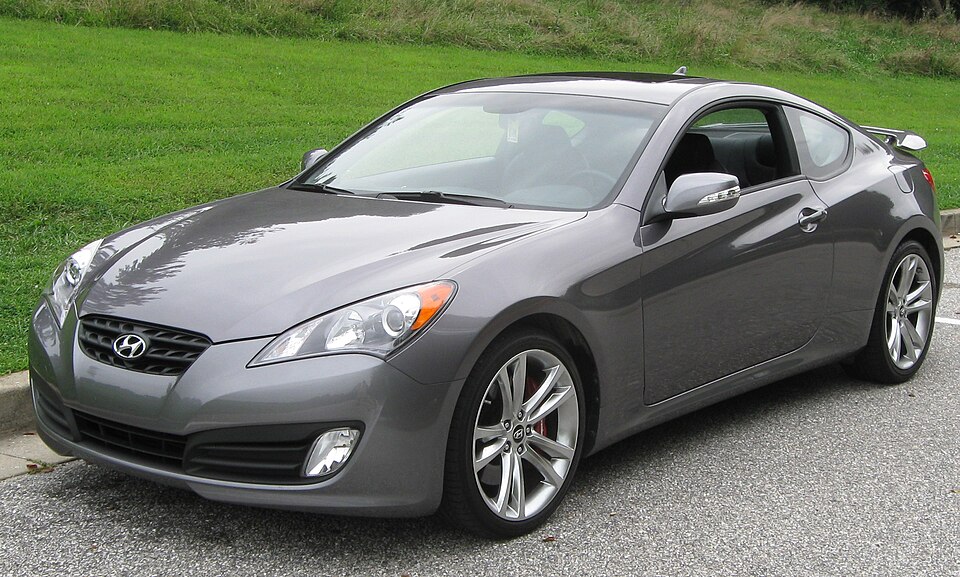
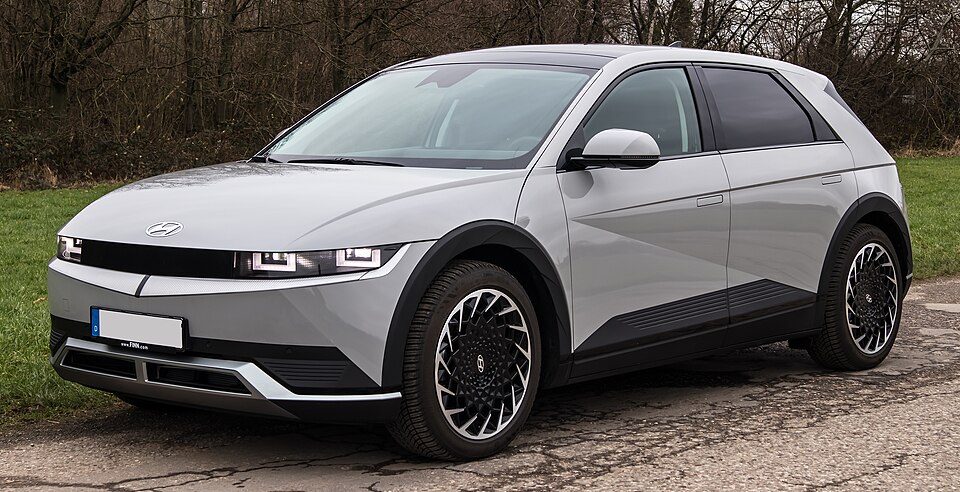
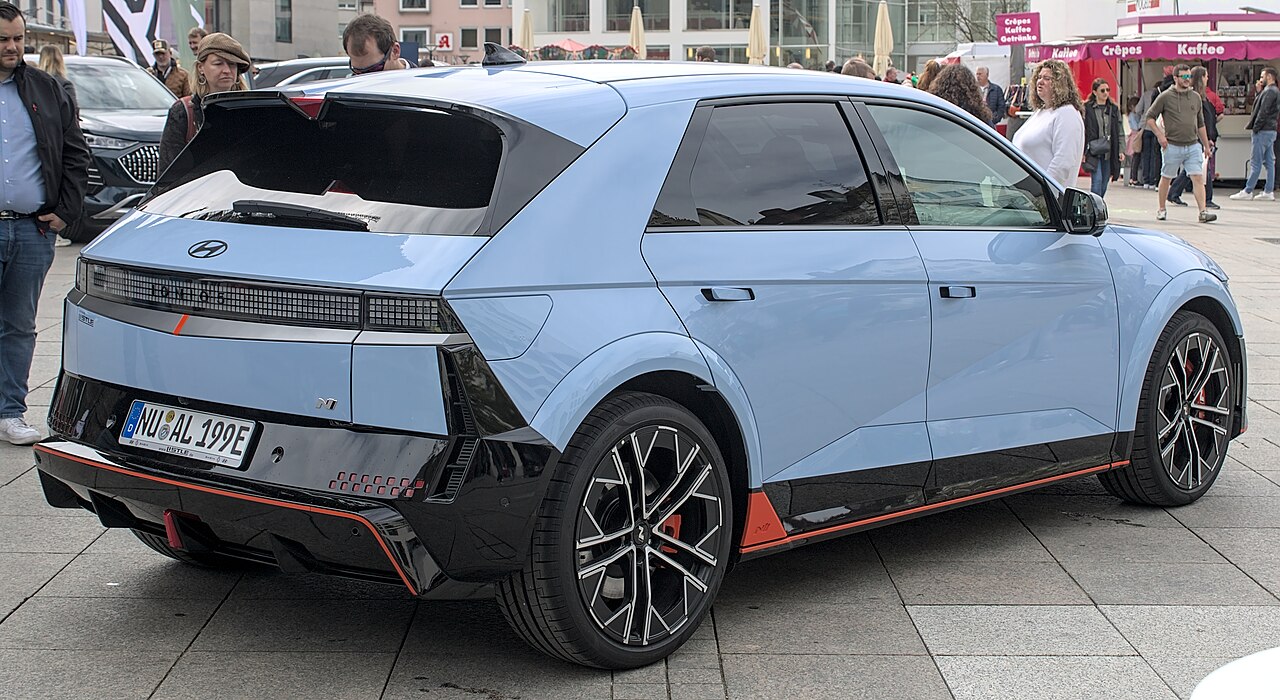
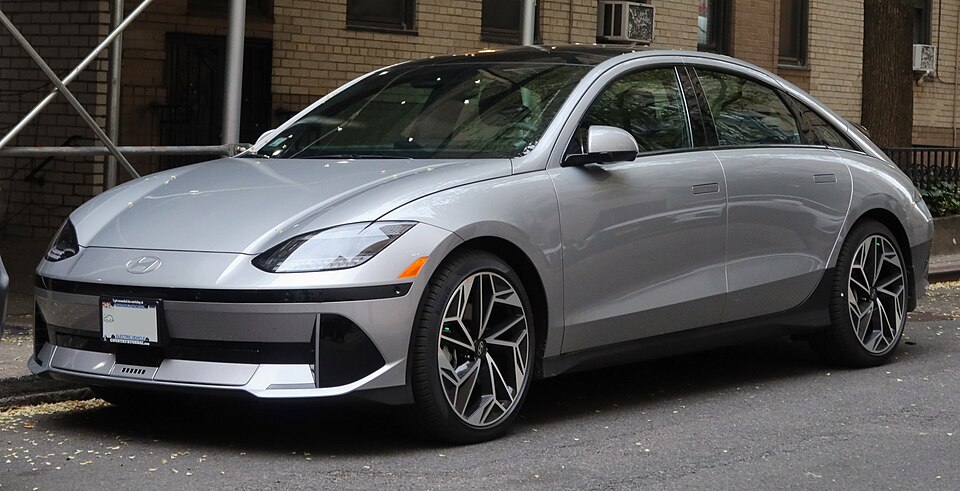
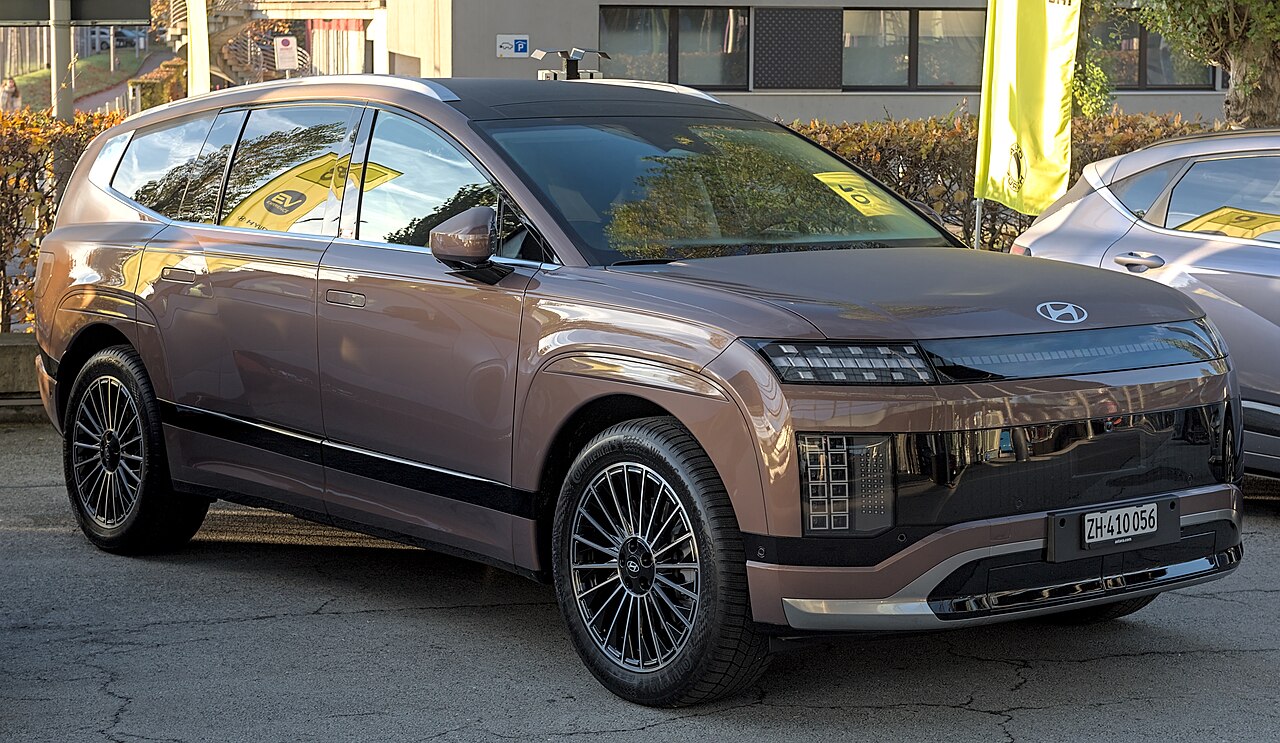
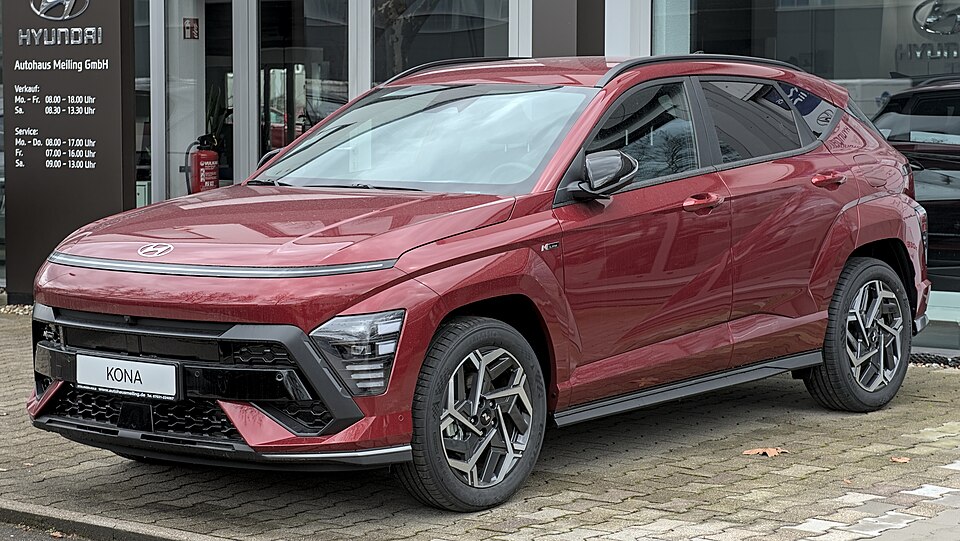
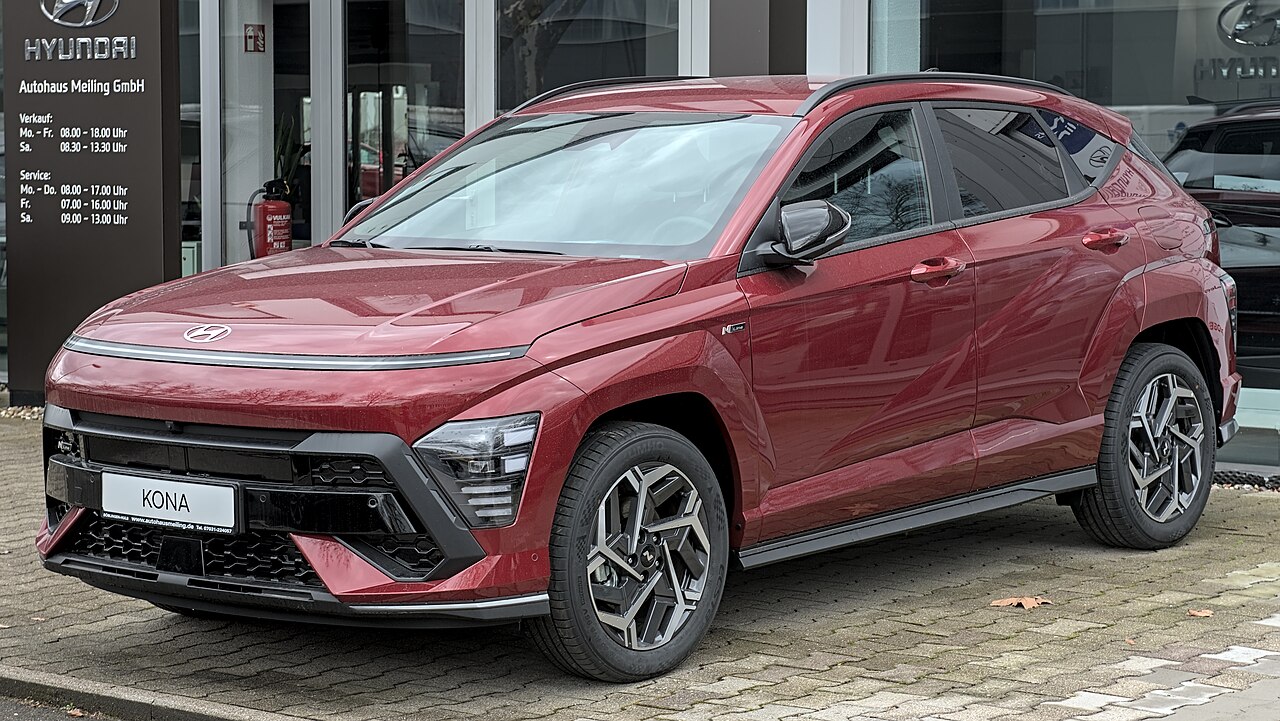
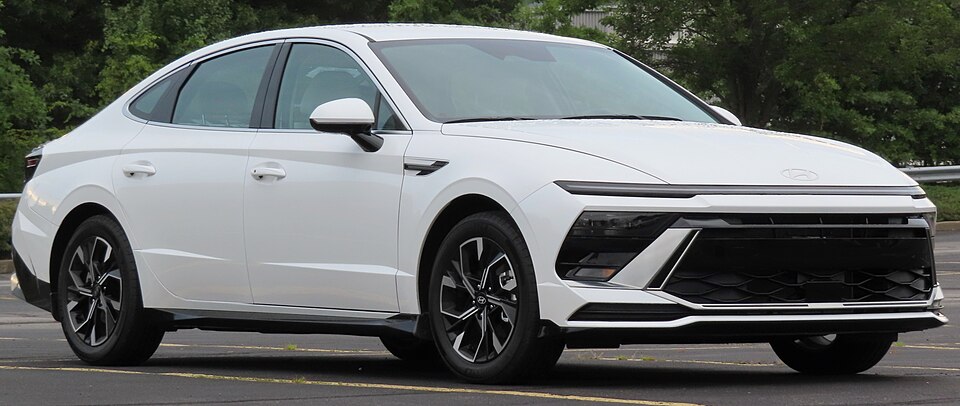
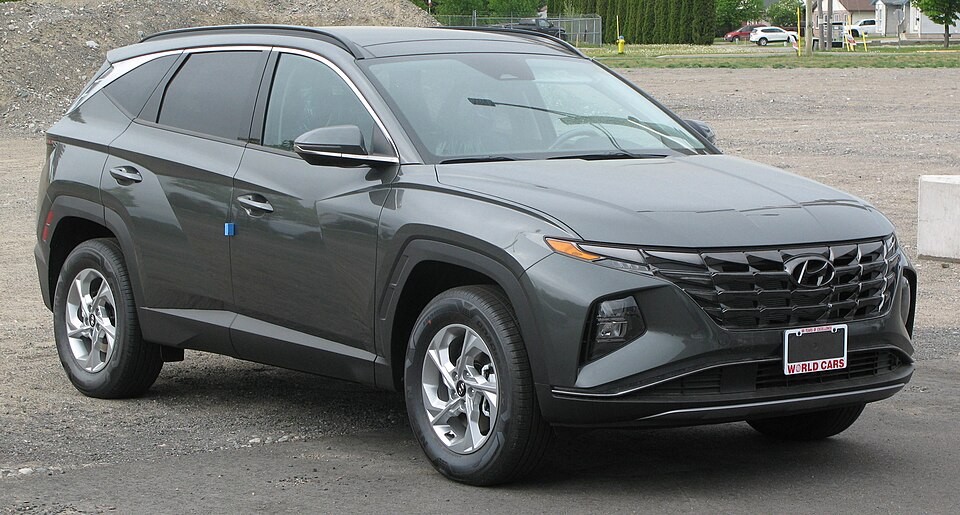
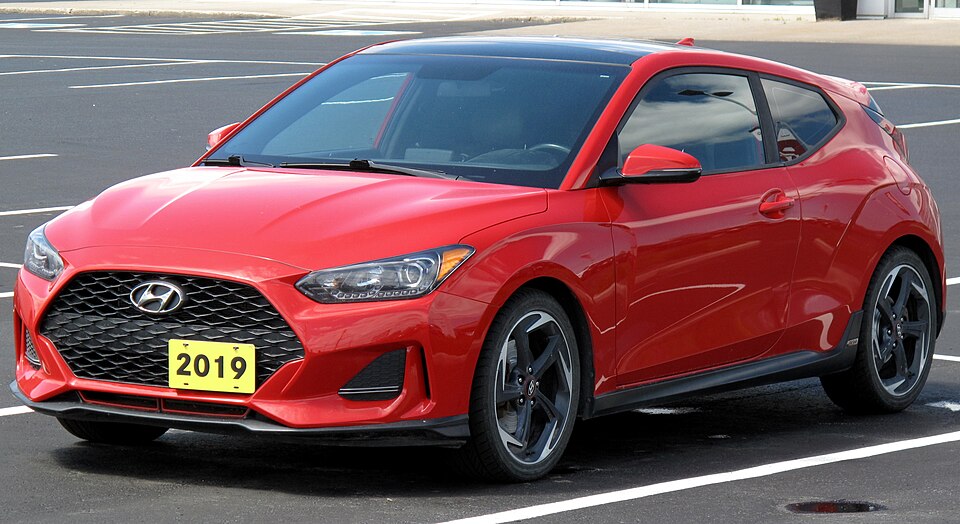
KoreanHyundai is South Korea largest automaker, founded in 1967. For decades it was known in export markets for cheap, warranty-backed economy cars like the Excel and the Accent. That reputation is now badly out of date. Over the last fifteen years Hyundai has become a genuine engineering force, with award-winning electric cars, a real performance division, and design that leads rather than follows. The N division is the enthusiast story. Created with help from Albert Biermann, the former head of BMW M, N builds focused performance cars: the i30 N and Veloster N hot hatches, the Elantra N sport sedan, and the Kona N hot crossover. These cars run turbocharged four-cylinders, electronic limited-slip differentials, adjustable everything, and a rev-matching manual option. They are routinely rated against the Honda Civic Type R and the Volkswagen Golf GTI and R, and they hold their own. Before N, the enthusiast Hyundai was the Genesis Coupe (2009-2016), a rear-drive coupe with a 2.0 liter turbo four or a 3.8 liter V6. It gave a generation of drifters and tuners an affordable rear-drive platform, and it remains a popular build base. The Ioniq 5 and Ioniq 6 are the modern halo. Built on the 800-volt E-GMP platform, they charge faster than almost anything in their price class and have won major awards worldwide. The Ioniq 5 N is a 641 horsepower electric performance car with simulated shifts. On WhipJury, Hyundai submissions span Genesis Coupe builds, Veloster N and Elantra N cars, Tiburons, and a growing wave of Ioniq 5 examples.
Hyundai models we cover
The N division
Hyundai N launched in 2017, named for the Namyang research center in Korea and the Nurburgring in Germany where the cars are developed. Albert Biermann, ex-BMW M, set the engineering direction. The Veloster N and i30 N proved the formula immediately: turbocharged four-cylinder, e-LSD, configurable drive modes, and a price well under the European hot hatches. The Elantra N brought it to a sedan body, and the Kona N to a crossover. The Ioniq 5 N extended the N badge to electric performance with 641 horsepower and simulated gear shifts.
The Genesis Coupe and earlier sport cars
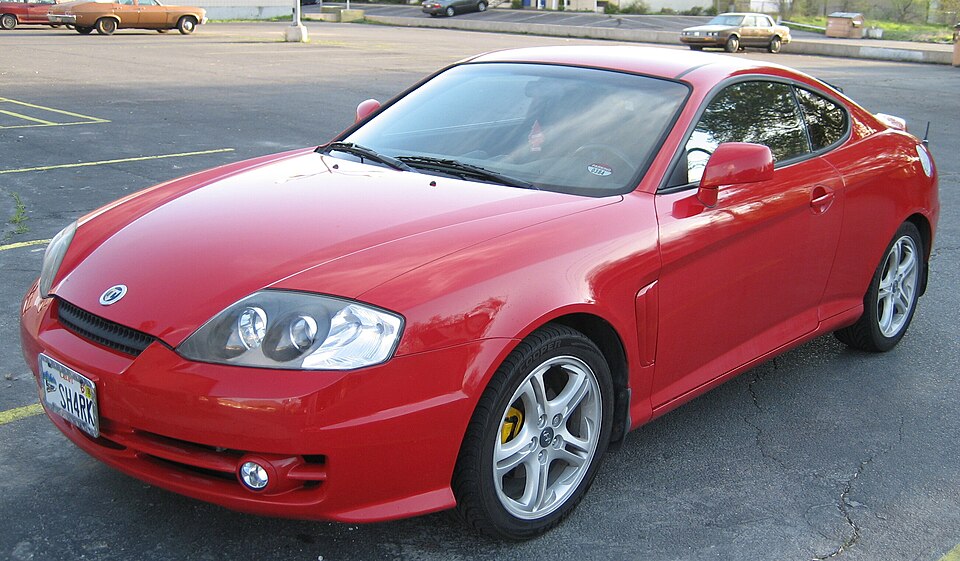
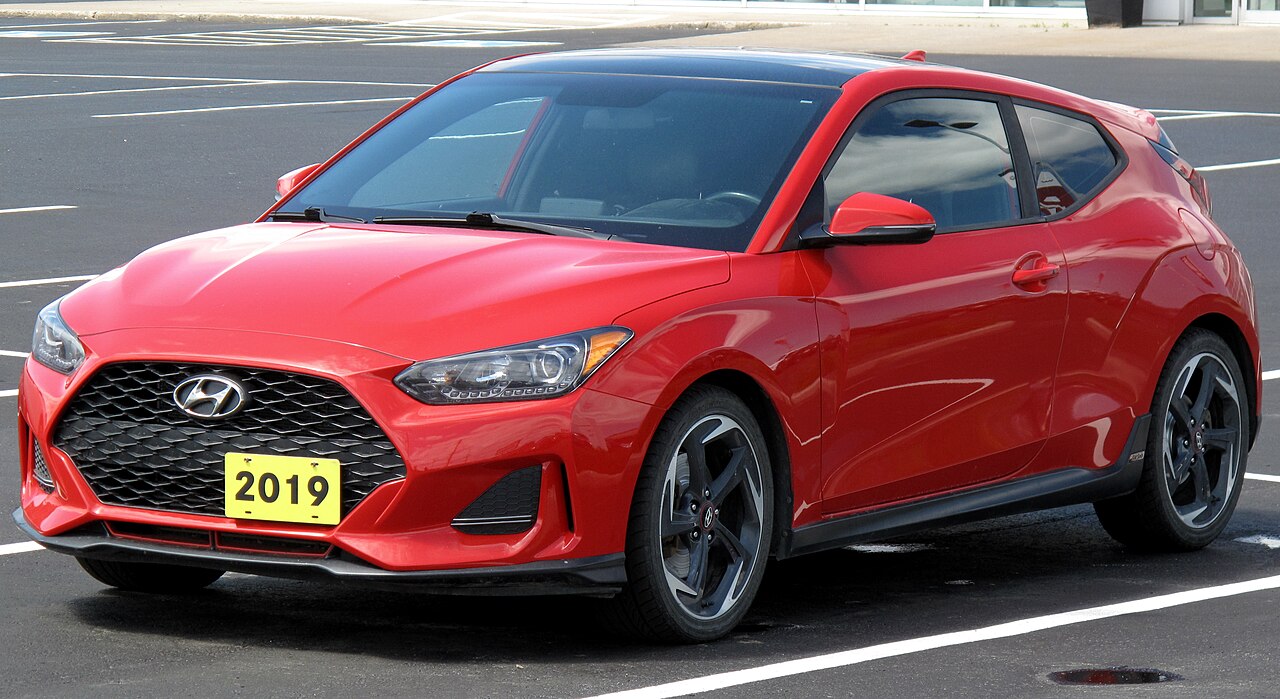
The Genesis Coupe (2009-2016) is the car most enthusiasts remember from before the N era. Rear-drive, available with a 2.0 liter turbo four or a 3.8 liter V6, it became an affordable platform for drift and tuner builds. The Tiburon coupe of the late 1990s and 2000s and the Veloster (with its asymmetric three-door layout) round out the older sporty Hyundais.
Ioniq and the EV push
The Ioniq 5 and Ioniq 6 sit on the 800-volt E-GMP platform, which allows very fast DC charging and a flat floor for interior space. Both have won international Car of the Year awards. The Ioniq 5 N is the performance flagship, a dual-motor EV with a drift mode, simulated shifts, and 641 horsepower.
Hyundai on WhipJury
The community here favors the Genesis Coupe as a build base, plus Veloster N and Elantra N performance cars. Ioniq 5 submissions are climbing as the platform proves itself. Older Tiburon builds appear from the budget tuner scene.