Honda Integra
JDM · Honda
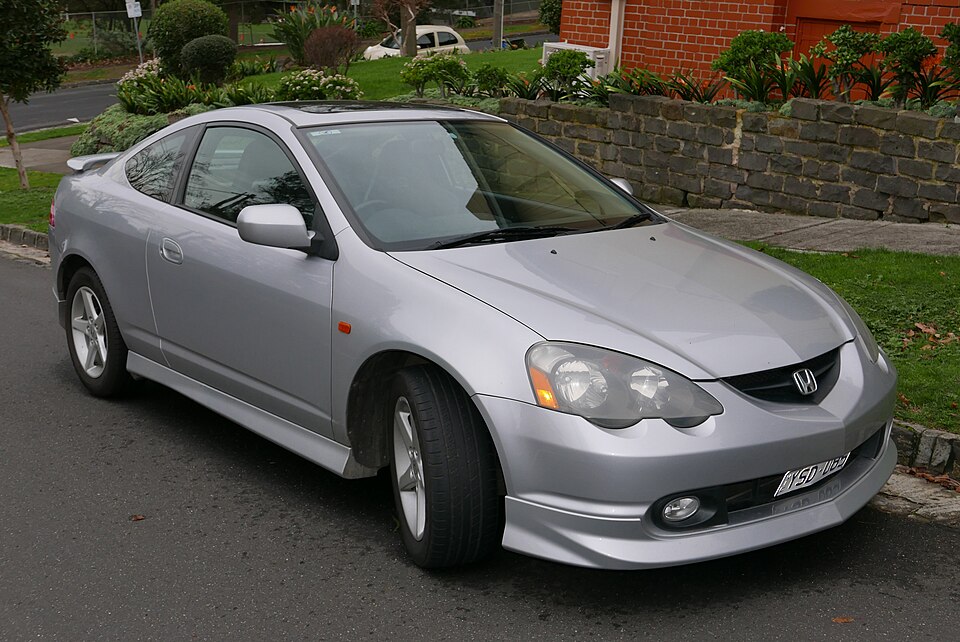
The Integra Type R DC2 is widely considered the best front-wheel drive driver car ever made. Six-figure used prices reflect that reputation.
The Honda Integra is a compact sports coupe and sedan produced from 1985 to 2006 (first three generations) and revived in 2022 as a modern Acura Integra. The first three generations of Integra (DA, DB, DC) defined Honda performance approach in the affordable segment. The DC2 chassis (1994-2001) is the most legendary, particularly in Type R form. The Integra Type R DC2 (1997-2001 in North America, longer in JDM) used a hand-ported B18C5 engine making 195 horsepower from 1.8 liters naturally aspirated. The chassis was stripped of weight (around 2,650 pounds), fitted with a helical limited-slip differential, and tuned at the Tochigi test track for sharp handling response. The result laps tracks faster than many rear-drive sports cars of the era and is widely regarded as the high-water mark of front-wheel drive performance. Other Integra Type R variants include the JDM-only DC2 Type R (with slightly different specifications) and the EU-spec DC2 Type R. The DC5 (2001-2007) was the next-generation Integra Type R, JDM-only with a K20A engine. The Acura Integra Type S of 2024 returns the Type R-spirit nameplate to the modern Acura lineup using the FL5 Civic Type R powertrain. On WhipJury, Integra submissions span GS-R cars (B18C1 engine, lightweight chassis), Type R DC2 cars (Championship White, stripped chassis), and JDM imports of various trims. Clean Type R cars reliably top voting; modified GS-R builds with engine swaps are common.
The DC2 Type R
The DC2 Integra Type R is widely considered the best front-wheel drive driver car ever produced. Honda built it by stripping weight (deleted soundproofing, lighter wheels, unique seats), stiffening the chassis with extra bracing, fitting a hand-ported B18C5 head, adding a helical LSD, and tuning the suspension specifically for the chassis. The result is a 2,650-pound car with 195 horsepower that handles like a much more focused sports car.
Generations
DA (1985-1989). First Integra. Available as three-door hatchback or four-door sedan. ZC engine.
DB (1990-1993). Second-generation. Available with the B18A1 engine. The Integra GS-R of this era used the B17A1.
DC (1994-2001). Third-generation. The breakthrough chassis. Type R variant launched 1997 (1995 in JDM). DC2 GS-R uses B18C1.
DC5 (2001-2007). Fourth-generation. JDM-only Integra Type R, K-series K20A engine.
Modern Acura Integra (2022+). Liftback sedan. Type S variant uses Civic Type R FL5 powertrain.
Integra on WhipJury
DC2 Type R submissions are rare and reliably top voting. GS-R builds (often with K20 swaps) are common. JDM imports of various Integra variants are increasingly common as the cars age into the 25-year import rule.
Frequently asked questions about Honda Integra
More on the Honda Integra
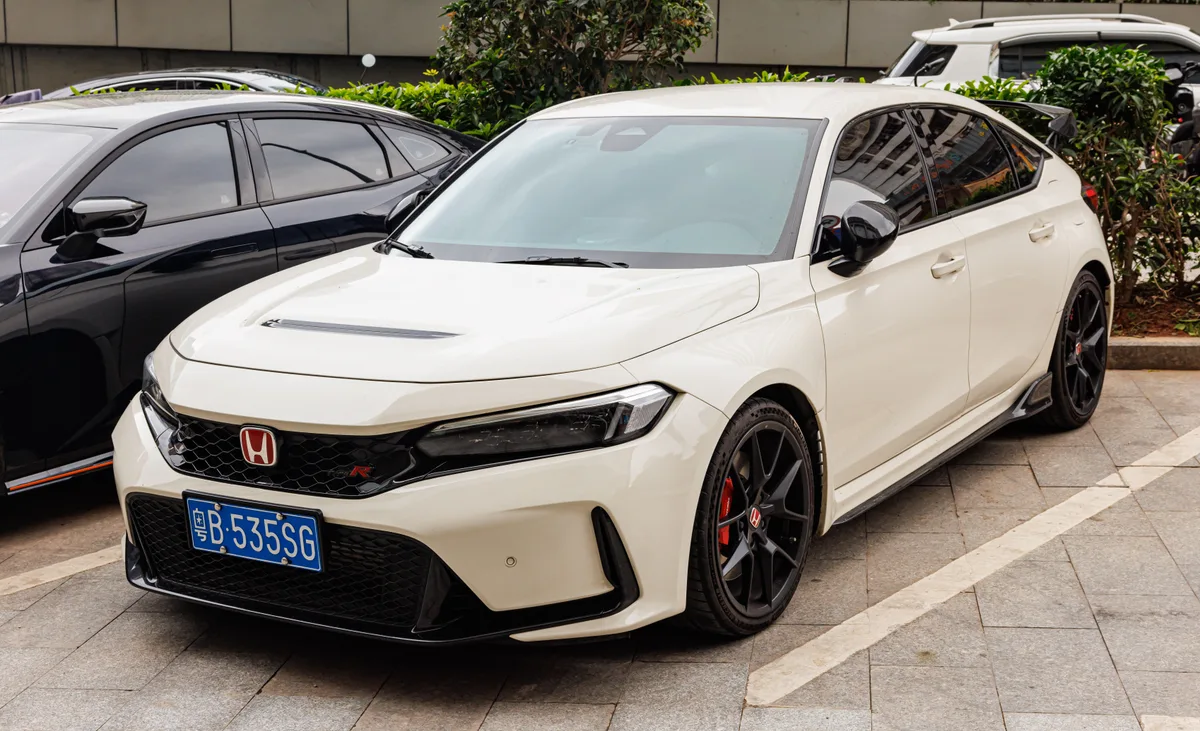
Honda Racing Corporation's track-focused Civic Type R could become a full production model by 2027, according to Japanese outlet Response. What's confirmed is the aero kit itself, which HRC president Koji Watanabe says will be sold as accessories. Takuma Sato tested it at Suzuka and called it "way better" than standard.
The Honda Civic Type R comes in five colors and the answer to which one is best is more settled than almost any other car color debate. It's Championship White. It has been Championship White...

Car culture has its own language and it moves fast. A conversation about a Skyline build can cover RB26 specs, ATTESA AWD, coilovers, hellaflush stance, and RWB widebody kits before you've finished your first coffee. If you don't know the vocabulary, you're not lost exactly, but you're definitely translating while everyone else is talking.

Japanese automakers have been quietly building the strongest design portfolio in the world, and the automotive press is only now catching up to what has been happening. This did not happen overnight. It is the result of a philosophy shift that started in Hiroshima with one mid-size brand and spread outward in ways that are still playing out...