Dodge Charger Daytona
Muscle · Dodge
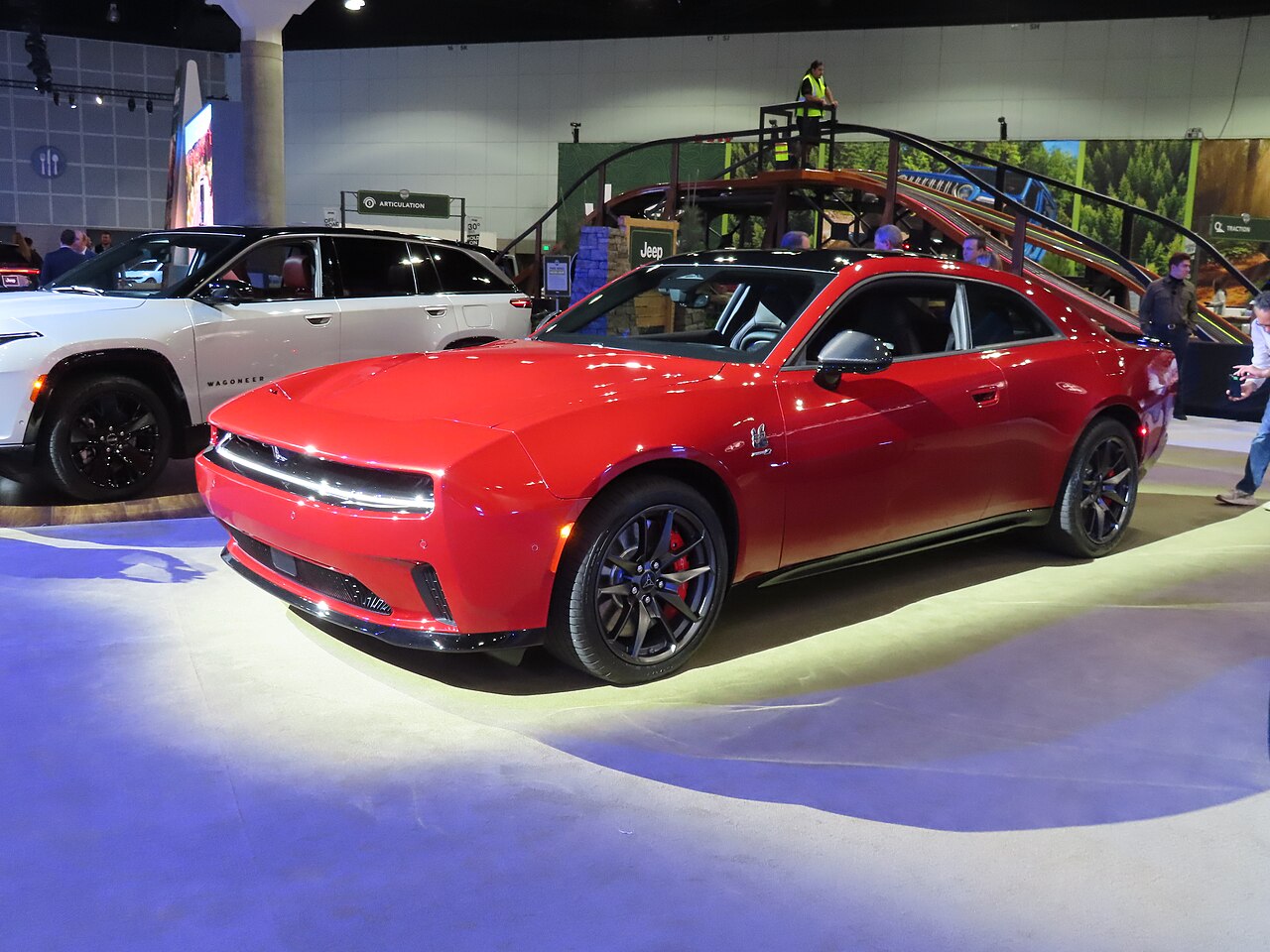
Dodge Charger Daytona: The Electric Muscle Car Nobody Agreed On
The Dodge Charger Daytona is an electric muscle car that replaced the Hemi-powered Charger, and it became one of the most argued-about cars of its era before Dodge added a gas engine back to the lineup.
Dodge ended the Hemi V8 Charger and Challenger after 2023 and replaced them in 2024 with the Charger Daytona, built on Stellantis'' STLA Large platform. It arrived as a two-door with a four-door following, both riding on a roughly 100 kWh pack with all-wheel drive as standard.
The output was never the problem. The launch R/T made about 496 horsepower and the Scat Pack about 670, which comfortably beat the V8 cars they replaced. The controversy was everything else. Dodge fitted a Fratzonic Chambered Exhaust, a speaker system that generates an engine-like sound, which enthusiasts either accepted as showmanship or rejected outright. Sales came in well below expectations.
The design at least earned respect. The R-Wing, a pass-through opening at the nose, is a functional aerodynamic device and a nod to the winged 1969 Charger Daytona that gave the car its name. Dodge later broadened the lineup with a twin-turbo straight-six option, an implicit acknowledgment that going all-electric all at once had been a step too far for the audience.
Frequently asked questions about Dodge Charger Daytona
More on the Dodge Charger Daytona
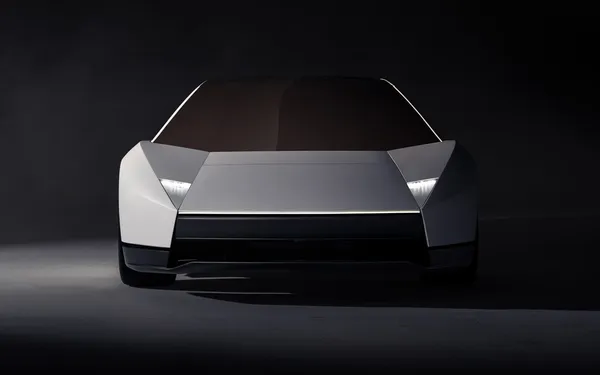
The new Tesla Roadster hides its headlights behind a panel that drops down when the lights come on. Tesla's designers call them pop-down headlights. They arrive 22 years after the Corvette C5 and Lotus Esprit, the last mass-produced pop-up cars sold in the US, ended production.
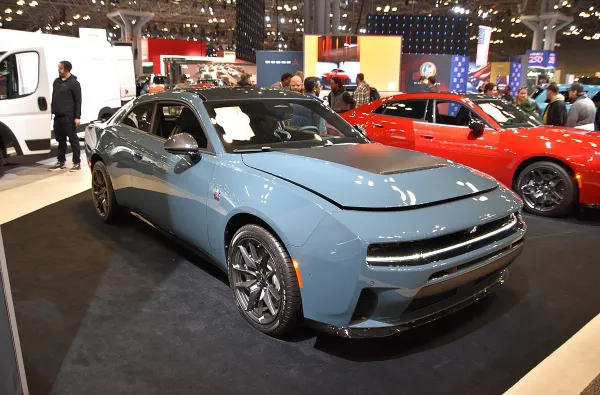
Reports from Automotive News and Mopar Insiders say Dodge plans a Charger SRT Hellcat with the supercharged 6.2-liter Hemi for the 2028 model year, built from late 2027 in two-door and four-door form. Dodge says it doesn't comment on future products.

American car design peaked twice. The first peak was the 1950s, when post-war prosperity and genuine cultural euphoria produced colors, proportions, and detail work that no subsequent era has matched. The second peak was shorter, more aggressive, and in many ways more interesting: the roughly decade-long window from 1964 to 1974 when American muscle car design produced some of the most visually forceful objects ever put on public roads. Then four things happened simultaneously and it was over within eighteen months...