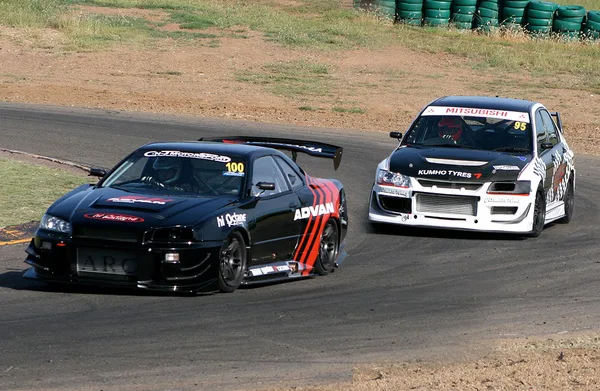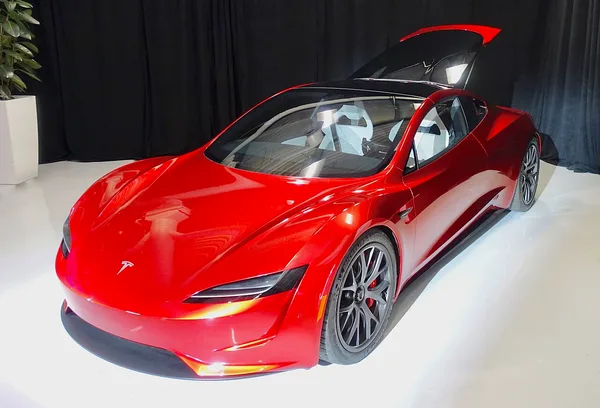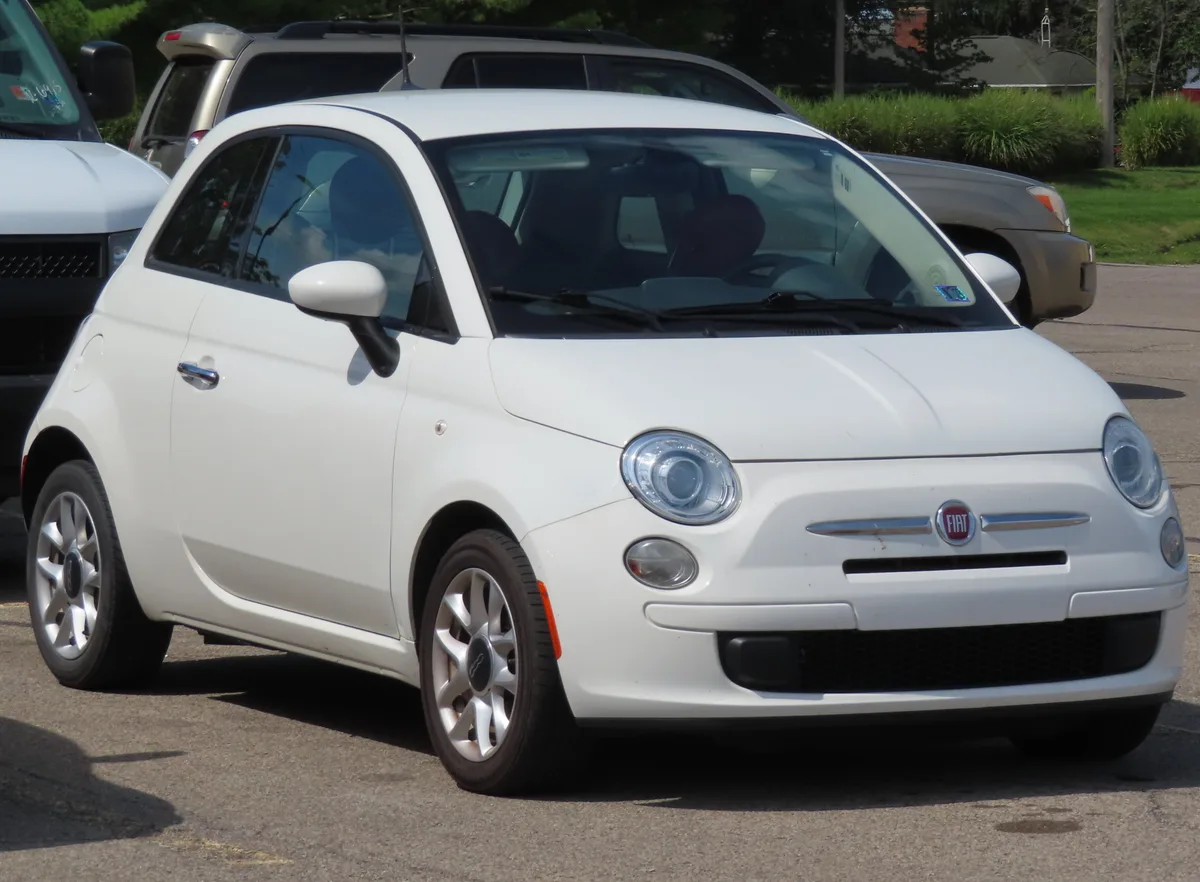
Look at the front of a car and you see a face. Headlights read as eyes, the grille reads as a mouth, and the car ends up with an expression. That reaction is called pareidolia, and it is close to universal. In one survey of vehicle styling, about 90 percent of participants perceived facial characteristics in car fronts, and 94 percent saw a face in the front end of production models.
What your brain is doing
Human brains are tuned to find faces, to the point of finding them in random noise. The fusiform face area, the part of the brain that handles face recognition, activates even for images with no face in them at all. Cars trip that system almost perfectly. Two lights at the same height, spaced apart, above a wide central opening, is close enough to a face that recognition fires before you can think about it. Research on where people look bears this out, with headlights drawing and guiding the gaze regardless of what viewers were asked to compare, exactly the way eyes do on a real face.
Once the face registers, you read an emotion from it, because that is what faces are for.
Designers know, and they aim it
The emotion is not accidental. In that same research, participants who saw faces said most styles showed some degree of an angry expression, and high aggressiveness ratings came from slanted headlights combined with a downturned grille. That is a recipe, and the industry has been following it for two decades. Narrow, angled lights and a wide grille that drops at the corners produce a scowl, which is why so many new cars wear the same expression. The opposite works too. Round lights set high and wide with a small, level opening below give you a friendly face, which is the Fiat 500 and the original Beetle, and it is part of why round headlights are coming back.
Why it matters for judging cars
When someone says a car looks mean, smug, sad, or surprised, they are reading a face, and they formed that opinion before noticing the proportions or the surfacing. It also explains why electric cars are hard to style. Remove the grille and you remove the mouth, which leaves designers trying to build an expression out of eyes alone, and it is a big part of the EV design problem.
Sources:
Survey findings on facial perception and anger in vehicle styling, from the paper "Pareidolia and Perception of Anger in Vehicle Styles: Survey Results": Semantic Scholar
Car front-end design and how people respond to it: PLOS ONE
Frequently Asked Questions

Jeffrey Wiley has spent more time than he'd like to admit thinking about what makes a car look right. He writes about automotive design, car culture, and the opinions people have strong feelings about. He lives in north Georgia.