The FIA said on November 20 that it, Formula One Management, the teams, and every Formula 1 engine maker have unanimously agreed on a framework for a 2.1-liter turbocharged V8 from 2030. It would be the sport's first V8 since the 2013 season, Formula 1 said. The FIA said it will present a definitive 2030 rulebook to the World Motor Sport Council meeting in Shanghai next month, and every rule change needs that council's approval. An F1 Commission meeting on November 16 produced agreement in principle, The Race said. An aborted announcement followed on November 17, Autosport said.
The six manufacturers are Mercedes, Ferrari, Red Bull with Ford, Audi, Honda, and future supplier General Motors, The Race said. The switch comes one year ahead of the 2031 date set when the current rules were agreed. In May, FIA President Mohammed Ben Sulayem said the FIA could impose V8s in 2031 even without a manufacturer vote, Motor1 said. GM will now skip building a V6 for a single season, and its Cadillac team is expected to stay on Ferrari engines for an extra year, The Race said.
The FIA said the V8 will carry over "some geometrical specifics" and run on advanced sustainable fuels with limited hybrid assistance. The 2.1-liter displacement starts from the current 1.6-liter V6 and adds two cylinders to hold down development costs, Autosport said. The FIA statement gave no electric figure. Autosport said the consensus is a 200-kW electric limit, half of it reserved for an overtake mode. That is down from 350 kW now, Road & Track said. Full power should still top 1,000 bhp, The Race said.
This season's cars use a 1.6-liter turbo V6 hybrid with a near even split, 400 kW from combustion and 350 kW from the battery, the FIA said. Energy limits have dogged those rules since their debut, The Race said. F1 chief executive Stefano Domenicali said the 50-50 formula was a compromise made to survive when carmakers wanted an electric future. "We are not stupid people," Domenicali told The Race.
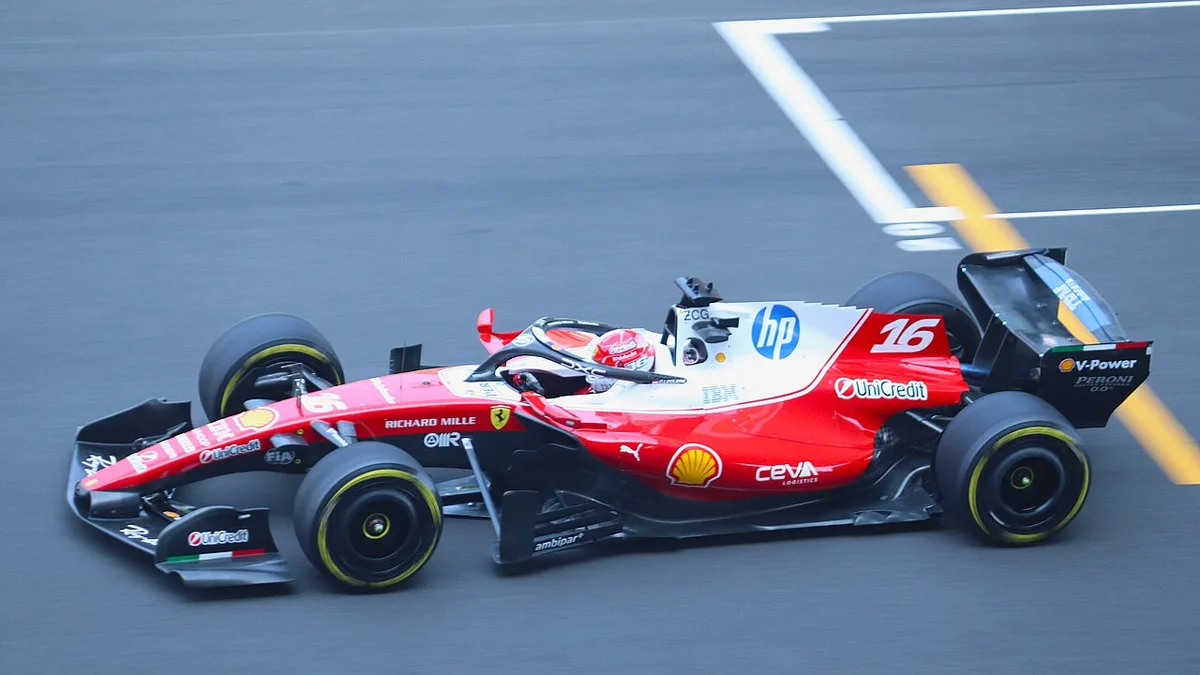
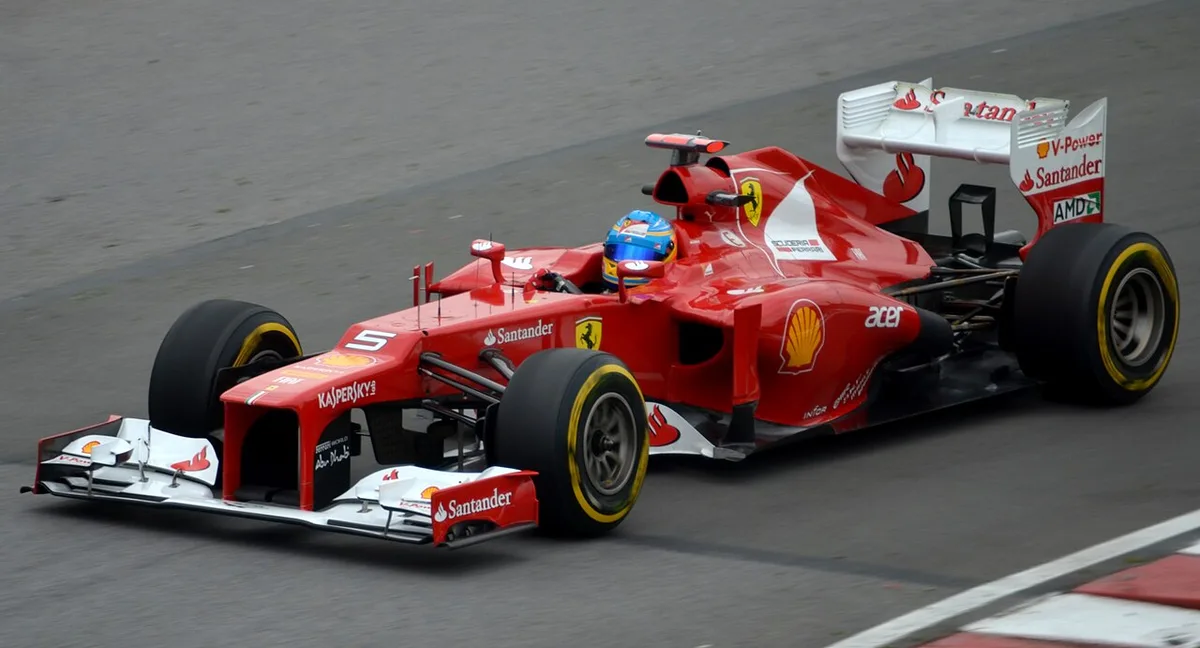
F1 last ran V8s from 2006, when the rules mandated 2.4-liter engines, through 2013, Autosport said. The 2013 units revved to 18,000 rpm and made about 780 hp. The rules set their weight at 95 kg, against 145 kg for the 2014 turbo V6 before its hybrid hardware, Autosport said.
"The return of V8 engines represents an opportunity to reconnect with the DNA of this Championship, bringing back the sound, emotion and pure racing that is loved worldwide," Ben Sulayem said. The Race said the size of that sound gain is unclear, since the new V8 will not be naturally aspirated. Mercedes driver George Russell said the old engines' "high-pitch squeal" is what Russell misses in this era. "Bring back the smaller exhaust and get that sound back," said Lewis Hamilton. Revs and crank design shape that note, as our look at why engines sound different explains.
The FIA said the V8 will sit in a lighter, more agile chassis. The Race said the target is a car and engine about 80 kg lighter, with almost half of that from the engine. F1 has yet to decide whether to keep the movable front and rear wings the current cars use to save energy on straights, The Race said.
Missing the 2.4-liter scream already? Rate your favorite race-bred cars on WhipJury.
Sources:
The November 20 unanimous agreement, the parties to it, the 2.1-liter turbocharged V8, geometrical specifics, limited hybridization, advanced sustainable fuels, the lighter chassis, the Shanghai World Motor Sport Council step, WMSC approval, and the Ben Sulayem quote: FIA
The first V8 since the 2013 season: Formula 1
The 2026 power unit, its 1.6-liter size, even split, and 400 kW and 350 kW outputs: FIA
The November 16 F1 Commission meeting, the six manufacturers, the GM and Cadillac plans, the V6 turbo hybrid, over 1,000 bhp, energy limits, the unclear sound gain, Russell and Hamilton quotes, the 80 kg target, and the active aero question: The Race
The 2031 timeframe, the 50-50 compromise, and the Domenicali quote: The Race
The November 17 aborted announcement, the 1.6-liter base plus two cylinders, and the 200-kW electric limit with half for overtake mode: Autosport
The 2006 switch to 2.4-liter V8s: Autosport
The 2013 V8 rev limit, output, and engine weights: Autosport
The drop from 350 kW to 200 kW: Road & Track
Ben Sulayem on a 2031 fallback without a vote: Motor1
Photos: the 2012 Ferrari F2012 at the Canadian Grand Prix by Nic Redhead, CC BY-SA 2.0. The 2026 Ferrari SF-26 at the Chinese Grand Prix by Liauzh, CC BY 4.0.
Frequently Asked Questions

Jeffrey Wiley has spent more time than he'd like to admit thinking about what makes a car look right. He writes about automotive design, car culture, and the opinions people have strong feelings about. He lives in north Georgia.