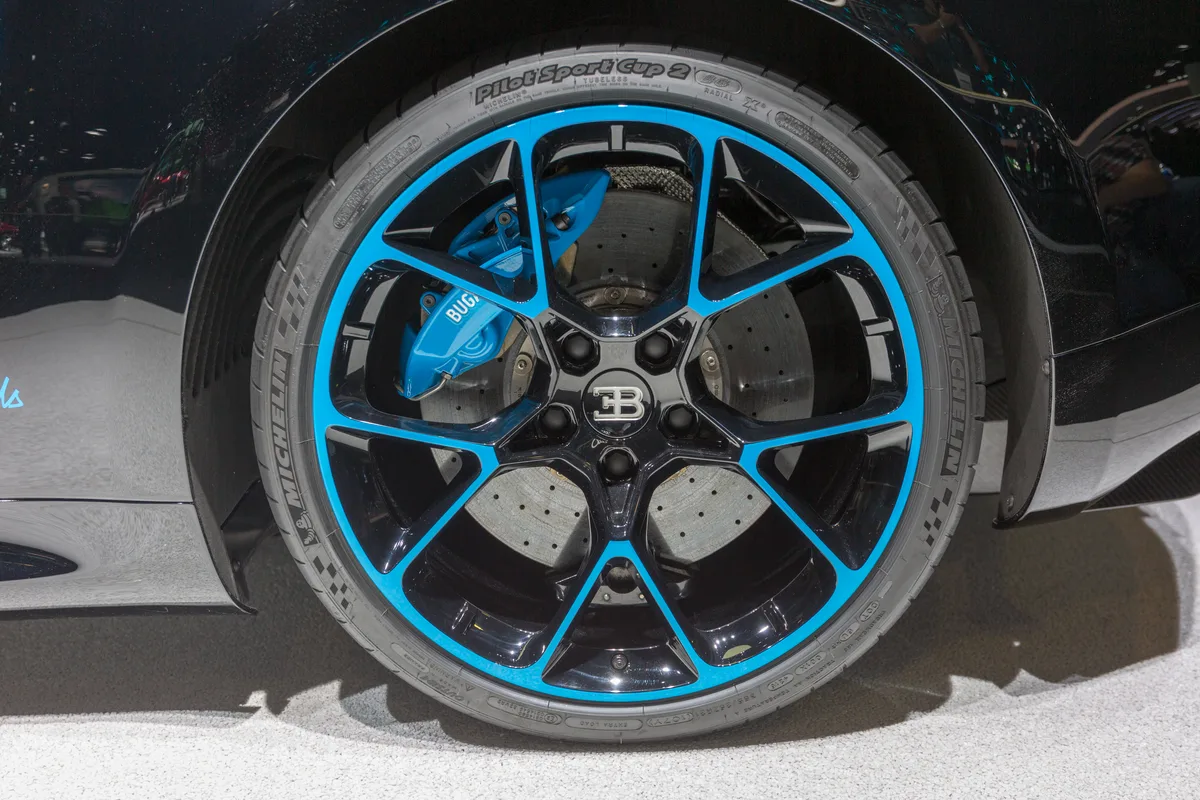
Bugatti is no longer part of the Volkswagen Group. Porsche has completed the sale of its 21 percent shares in Rimac Group and its 45 percent stake in the Bugatti Rimac joint venture, closing a deal first announced in April.
The buyers are HOF Capital, BlueFive Capital, and other US and European investors. Porsche walks away with roughly €1 billion, about $1.16 billion, a figure that includes €250 million covering pension obligations.
Who runs Bugatti now
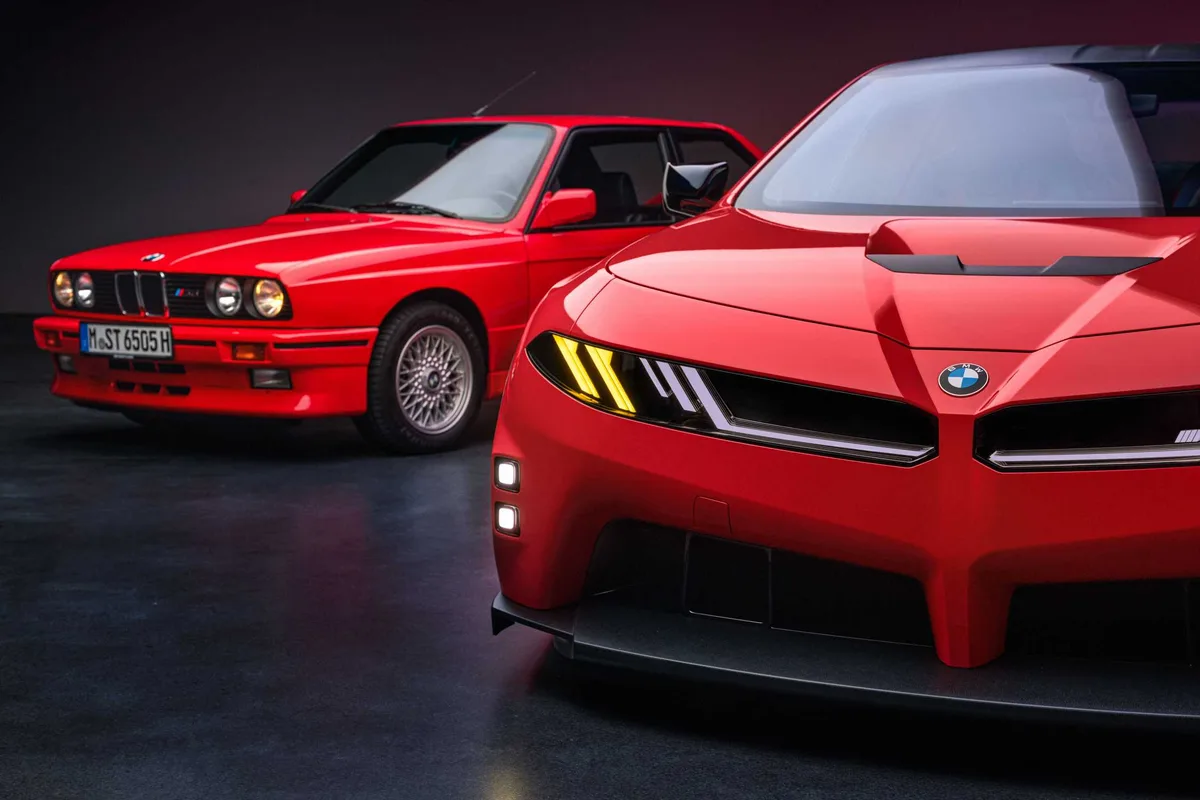
Mate Rimac becomes president of Bugatti. Rimac founded Rimac in a garage in Croatia after converting an old BMW to electric power, built the company into an electric hypercar maker with the Nevera, and is now in charge of a marque founded in 1909.
"I am really happy that the deal with Porsche and HOF Capital has been completed," Rimac said.
Christophe Piochen, president of Bugatti Automobiles and chief operating officer of Bugatti Rimac, is stepping down. Marko Brkljačić, formerly chief operating officer of Rimac Technology, takes the COO role at Bugatti Rimac.
Volkswagen had moved Bugatti into the joint venture with Rimac and Porsche back in 2021, so this has been coming. What changed is that the German industrial parent is now completely out.
What VW ownership actually bought
Volkswagen revived a dead French marque and then spent enormous sums proving a point with it. The Veyron arrived with a quad-turbocharged W16, an engine layout nobody else has ever put in a road car, and it reportedly lost money on every example.
That's the part a normal company doesn't do. The Veyron existed because a corporation with deep pockets decided the world should have a 250 mph car that you could drive to dinner, and the Chiron continued it. Under a group that size, Bugatti was less a business than a demonstration.
An independent Bugatti has to work as an actual business, and that's the real change here.
Whether the look survives
The design question is the interesting one. Bugatti's identity is specific and inherited: the horseshoe grille, the curved C-line sweeping down the flank, the two-tone paint splits, and a fanatical level of finish. None of that came from Volkswagen, and all of it depends on someone deciding it matters more than efficiency.
The early evidence is reassuring. The Tourbillon, developed under the Rimac partnership, kept a naturally aspirated V16 and a machined, mechanical interior rather than the slab of screens everyone expected. That's a company that understood the assignment.
Still, Rimac's expertise is electric powertrains, and the pressure on any independent hypercar maker is to build more cars and share more parts. Both are how brands like this lose the thing that made them worth the money. Bugatti has survived being dead twice, in the 1950s and again before the EB110 era, so the badge is durable.
Sources:
The completed sale, stakes, buyers, price, and leadership changes: Carscoops
Porsche's exit and the €1 billion figure: The Supercar Blog
Frequently Asked Questions

Jeffrey Wiley has spent more time than he'd like to admit thinking about what makes a car look right. He writes about automotive design, car culture, and the opinions people have strong feelings about. He lives in north Georgia.