New cars got better this year in nine of the ten categories J.D. Power measures. The only area where it went backwards was in infotainment.
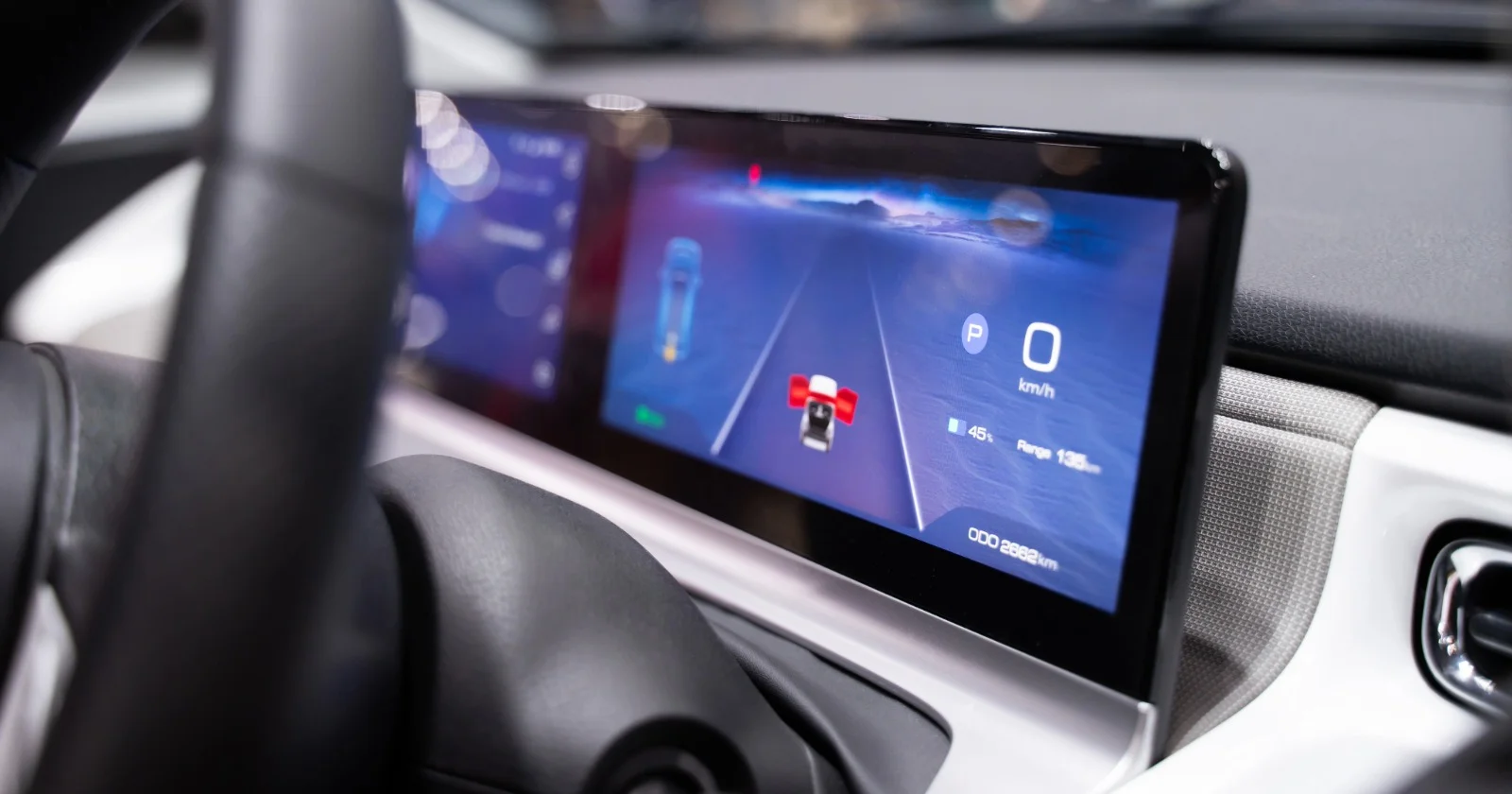
The firm's 2026 Initial Quality Study puts infotainment complaints at 44.4 problems per 100 vehicles, up from 42.6 a year earlier. Industry-wide, problems fell from 192 problems per 100 vehicles to 175 problems, so cars are getting better everywhere except for the big screens.
Frank Hanley, senior director of auto benchmarking at J.D. Power, put it plainly: "As more technology is introduced into vehicles, keeping the experience simple matters more than ever."
What's actually breaking
The single biggest contributor to the slide is phone connectivity. Problems with Apple CarPlay and Android Auto alone came to 1.4 per 100 vehicles.
That detail says something about how people use these systems. The most-reported fault in the car's built-in software is that it won't hand over to the phone properly, which is a fair summary of how most owners feel about built-in software generally.
Safety data points the same direction. Around 46 percent of distracted-driving complaints trace back to infotainment and touchscreens.
Why the screens got bigger anyway
Screens keep growing because they're cheap. A physical button costs money to design, tool, wire, and install, and it does one job forever. A touchscreen menu item costs a software update. Replacing thirty buttons with one panel removes real cost from every car built.
They also photograph well. A wide glass panel across the dashboard looks modern in a press shot and on a showroom floor in a way a row of switches does not, and interiors are increasingly sold in images before anyone sits in one.
The problem shows up later, when you're driving and want the temperature down two degrees. A knob is operable by feel. A menu is not, and every second spent hunting for it is a second of not looking at the road, which is exactly what the distraction numbers describe.
The pushback has started
Some carmakers are quietly putting switches back. Hyundai and others have kept physical climate controls through recent redesigns, and a handful of new budget EVs in Europe are being sold specifically on having no central screen at all, with the phone doing that job instead.
Euro NCAP, the European safety body, has also moved to reward cars that keep physical controls for core functions, which turns a design preference into a rating incentive.
Sources:
Infotainment and industry problems per 100 vehicles, and the CarPlay figure: CarBuzz
The nine-of-ten category result, the distraction share, and the Hanley quote: MediaPost
CarPlay and Android Auto connectivity as the largest contributor: The Drive
Frequently Asked Questions

Jeffrey Wiley has spent more time than he'd like to admit thinking about what makes a car look right. He writes about automotive design, car culture, and the opinions people have strong feelings about. He lives in north Georgia.