Porsche Targa
Exotic · Porsche
Porsche Targa: The Iconic Roll-Hoop 911 Body Style
The Targa is a distinctive 911 body style defined by its signature roll-hoop and removable roof, offering open-air motoring with extra security.
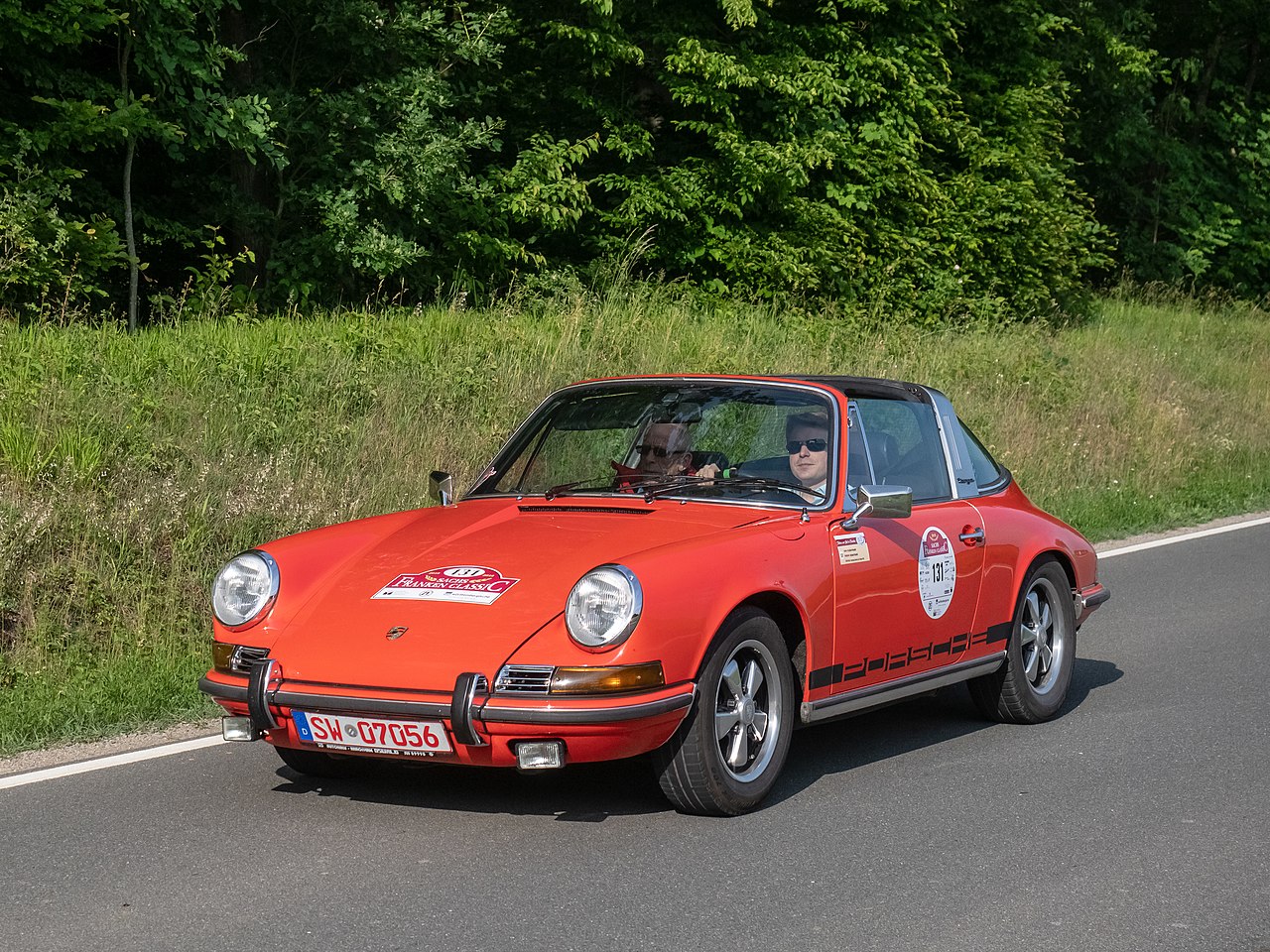
Porsche introduced the Targa in 1965 as a response to fears that US regulators might ban full convertibles. The solution was a fixed, stylized stainless-steel roll bar with a removable roof panel ahead of it, creating a semi-open body that combined fresh-air driving with added rollover protection. The name came from the Targa Florio road race Porsche had conquered.
Early Targas used a removable roof and, initially, a zip-out plastic rear window, later replaced by a fixed glass wraparound. The distinctive silver hoop became an instantly recognizable Porsche signature across multiple 911 generations.
Modern Targa models revived the classic look with an elaborate automated roof mechanism that stows the roof panel behind the seats at the touch of a button, while retaining the iconic hoop and wraparound rear glass. The Targa remains a stylish middle ground between the 911 coupe and the full Cabriolet.
Frequently asked questions about Porsche Targa
More on the Porsche Targa
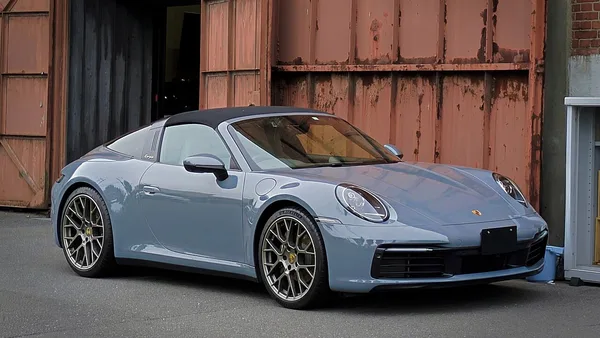
A targa top is a roof panel over the front seats that comes off while a fixed roll bar and the rear window stay put. Porsche launched it on the 911 in 1965 to answer US safety worries, named it after a Sicilian race, and still holds the trademark.
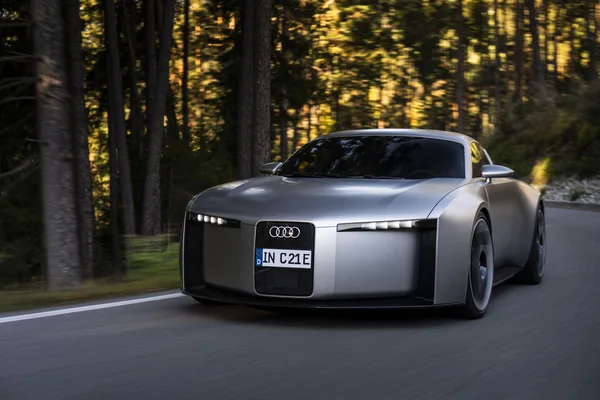
Porsche CFO Jochen Breckner confirmed on the October 27 earnings call that Audi's electric sports car, previewed by the Concept C, will use the platform built for the electric 718 Boxster and Cayman. Audi will pay Porsche for it in 2027.