BMW E30
BMW
The boxy 1982-1994 3 Series that became a design icon, a drift staple, and the home of the four-cylinder S14 M3.
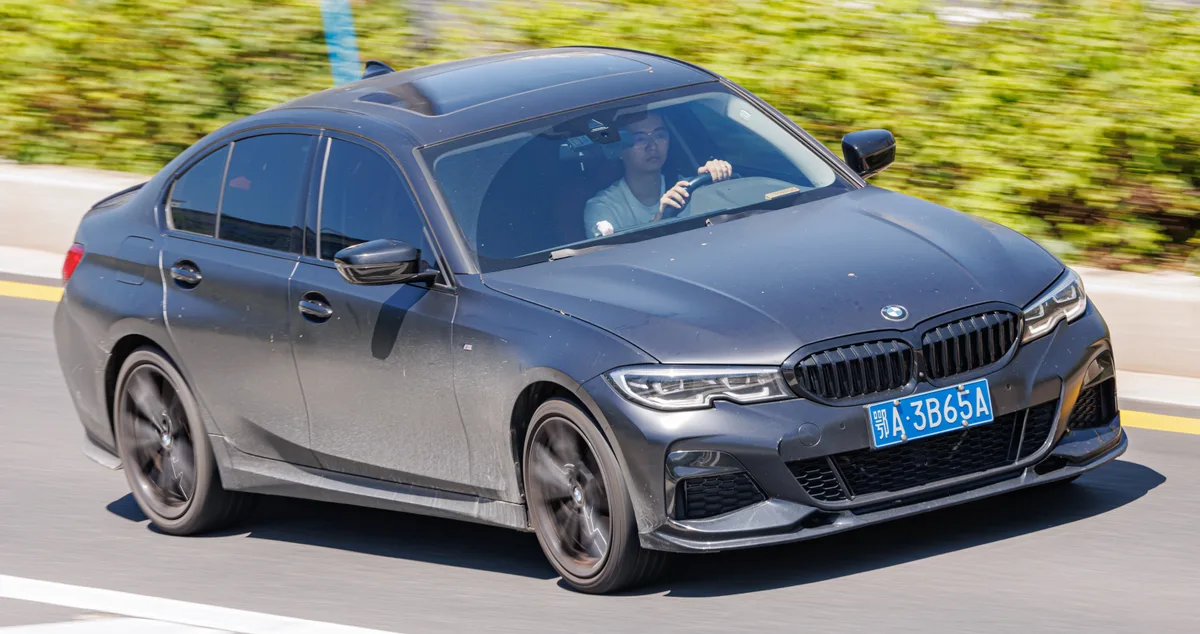
The BMW E30 is the chassis code for the second-generation 3 Series, built from 1982 to 1994. It is the generation that turned the 3 Series from a promising small sedan into the definitive compact sports saloon, and it is the one enthusiasts still talk about most. The E30 formula is simple and hard to improve on: a light body, rear-wheel drive, near-perfect balance, and a crisp, upright design with almost no wasted surface. It was sold as a sedan, coupe, convertible, and Touring wagon, with everything from modest four-cylinders to the silky M20 straight-six. The E30 M3, built from 1986, is the famous one: a Group A homologation special powered by the four-cylinder S14 rather than a six, with boxed fender flares that made it instantly recognizable. Clean E30s have appreciated sharply, and M3 values have gone vertical. On WhipJury the E30 performs the way most genuine icons do: voters recognize the shape immediately, and a tidy, correctly sitting example beats far newer and faster machinery on looks alone.
Why the shape endures
The E30 is a masterclass in proportion. Short overhangs, a long dash-to-axle, a small greenhouse on a substantial body, and the shark-nose front give it a stance that still reads as expensive four decades later. There are almost no styling gimmicks on the car, which is exactly why it has not dated.
The S14 M3
The E30 M3 exists because BMW needed to homologate a car for Group A touring car racing. Rather than fit a six, BMW used the four-cylinder S14, a high-revving unit built for competition. The road car got flared arches, a raised bootlid, and revised glass, and it went on to become one of the most successful touring cars ever built.
Tuner and drift favorite
Rear-wheel drive, light weight, and a huge parts supply made the E30 a default choice for drift and track builds for decades. That popularity is also why clean, unmodified examples have become genuinely scarce.