DuelsLeaderboardGarageBlogCarsGlossaryBrowse

Pit Stop

Car culture term

Pit Stop
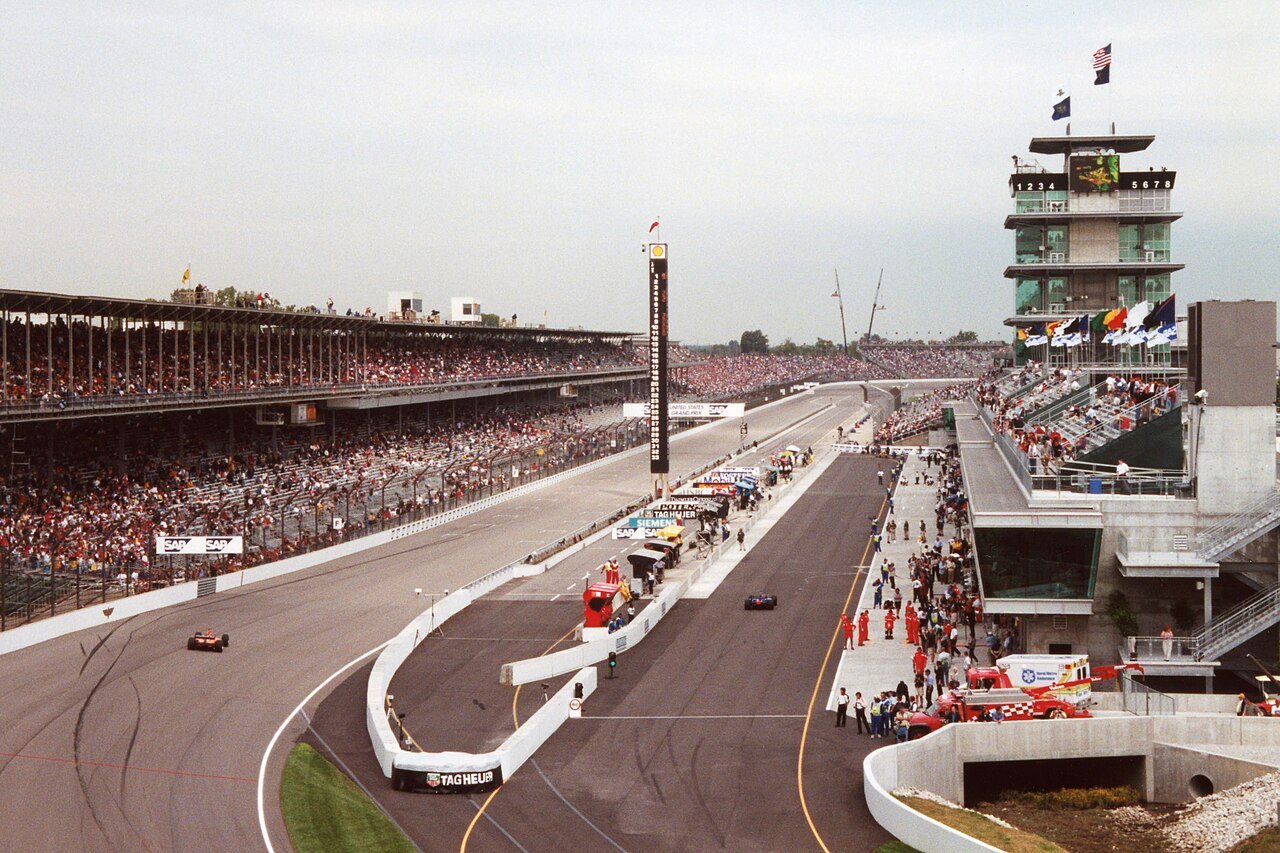
Photo: Rick Dikeman / Wikimedia Commons · CC BY-SA 3.0

What is Pit Stop?

A pit stop is a scheduled or unscheduled stop during a race where a crew services the car with fuel, tires, repairs, or a driver change before it returns to competition.

A pit stop is a stop a race car makes in the pit lane during a race, where a crew performs tasks such as refueling, changing tires, making repairs, adjusting the car's setup, or swapping drivers in endurance racing formats. Pit stops are a required and strategic part of nearly every major motorsport series, since cars cannot carry enough fuel or tire life to complete most race distances without stopping, and the specific timing and duration of pit stops are a central element of race strategy, not just a mechanical necessity.

The speed and precision of a pit stop varies enormously by series and by what the stop involves. Formula 1 pit crews have developed tire-only stops into one of the most refined choreographed operations in sports, with top teams completing a four-tire change in roughly two seconds from the moment the car stops to the moment it is released, a benchmark that has driven intense competition among F1 teams over equipment and crew training. Endurance races such as Le Mans and IMSA involve longer, more complex pit stops that can include refueling, tire changes, and driver swaps within a single stop, taking considerably longer than a Formula 1 stop but still executed under strict time pressure.

Pit stop strategy is a major factor in race outcomes across series: teams weigh the tradeoff between pitting early to gain fresh tires or fuel against losing track position, and undercut and overcut strategies, where a team pits earlier or later than a rival specifically to gain a track position advantage once tire wear or fuel loads are accounted for, are common tactical tools. Pit lane speed limits, mandatory minimum stop counts in some series, and penalties for unsafe releases or equipment left in the pit lane are among the regulations that govern how pit stops are conducted.
Related terms

Formula 1NASCARLe MansWECIndyCar

Frequently asked questions

What happens during a pit stop?
A pit crew can refuel the car, change tires, make repairs, adjust setup, or swap drivers in endurance racing, depending on the series and what the specific stop requires. Not every stop involves every task.
How fast is a Formula 1 pit stop?
Top Formula 1 teams complete a four-tire change in roughly two seconds from the moment the car stops to the moment it is released, one of the fastest coordinated mechanical operations in any sport.
What is an undercut in racing strategy?
An undercut is a strategy where a driver pits earlier than a rival ahead of them on track, hoping fresh tires let them set faster lap times during the window before the rival pits, potentially emerging ahead once both have stopped.
Why do endurance races have longer pit stops than Formula 1?
Endurance races such as Le Mans often require refueling, which Formula 1 does not currently allow mid-race, along with tire changes and driver swaps within the same stop, all of which add time compared to a Formula 1 tire-only stop.
What is an unsafe release penalty?
An unsafe release penalty is issued when a team releases a car from its pit box in a way that endangers another driver, crew member, or vehicle, such as releasing into the path of an oncoming car in the pit lane, and typically results in a time or grid penalty.

Pit Stop on the blog

Bugatti has left Volkswagen, and a 38-year-old now runs it

Porsche has sold its 21 percent of Rimac Group and 45 percent of the Bugatti Rimac joint venture for about €1 billion, ending Volkswagen Group's involvement with Bugatti. Mate Rimac, who started by converting an old BMW to electric power in a Croatian garage, is now president of a marque founded in 1909.

Understeer vs Oversteer: What's the Difference?

Understeer and oversteer are the two ways a car stops following your steering in a corner. Understeer is the front pushing wide when the car won't turn enough; oversteer is the rear stepping out and turning too much. Here is what causes each, how to tell them apart, and why one built an entire motorsport.

The Porsche 911 Is Overrated on Looks and Everyone Is Afraid to Say It

Say this in any car community and watch the reaction. The Porsche 911 is overrated on looks. Not overrated as a car. Not overrated as a driving experience. On looks specifically. The design that everyone calls timeless is, examined honestly, a design that has been coasting on familiarity for decades while the world gave it a free pass because of what the badge represents and what the car does when you push it...

Sedans Are Not Dead. Automakers Just Stopped Trying.

Every few months a new obituary gets written for the sedan. Sales are down. Automakers are canceling models. The crossover has won. The four-door is finished. And every time someone writes that obituary, the Toyota Camry sells another 300,000 units, the Honda Accord moves another 200,000, and the Tesla Model 3 quietly becomes one of the best-selling vehicles on the planet. The sedan is not dead. A specific group of automakers decided it was not worth their effort, walked away, and then pointed at falling sales as proof the customer did not want it anymore...

Back to Glossary