DuelsLeaderboardGarageBlogCarsGlossaryBrowse

Mild Hybrid

Car culture term

Mild Hybrid
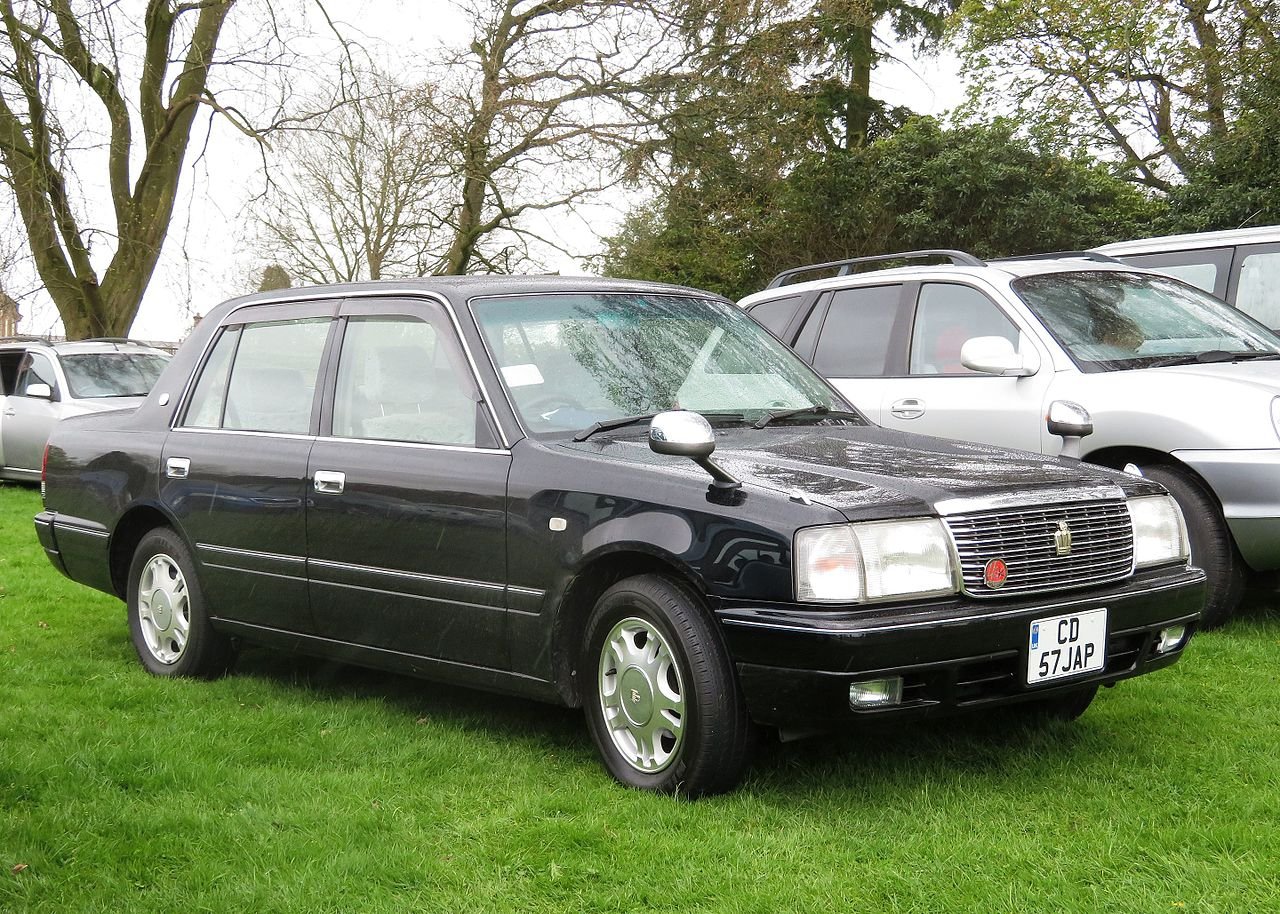
Photo: Charles01 / Wikimedia Commons · CC BY-SA 4.0

What is Mild Hybrid?

A mild hybrid uses a small electric motor and battery to assist the combustion engine with functions like start-stop and torque fill, but cannot drive the wheels on electric power alone.

A mild hybrid pairs a conventional combustion engine with a small electric motor and a modestly sized battery, typically operating on a 48-volt electrical system rather than the higher voltage systems used in full hybrids and electric vehicles. Unlike a full hybrid or plug-in hybrid, a mild hybrid's electric motor cannot power the wheels on its own; it exists purely to assist the combustion engine, supporting functions such as smoother and faster engine start-stop operation, brief torque fill during acceleration to reduce the sensation of turbo lag, and capturing energy through regenerative braking that would otherwise be lost as heat.

Because the electric motor and battery in a mild hybrid system are much smaller than in a full hybrid, they add relatively little weight and cost to the vehicle while still delivering a real, if modest, improvement in fuel economy, generally in the range of a few percentage points to around ten percent depending on the application. This makes mild hybrid technology attractive to manufacturers looking to meet fleet-wide fuel economy and emissions targets without the greater cost, weight, and complexity of a full hybrid or plug-in hybrid powertrain, and mild hybrid systems have become common across a wide range of vehicle segments, from economy cars to full-size trucks and performance models.

Mild hybrids are distinct from full hybrids in one key respect: a full hybrid can drive the vehicle on electric power alone for short distances at low speed, while a mild hybrid's electric motor works only in tandem with the combustion engine and never independently propels the car. This distinction is why mild hybrids are sometimes viewed as a lighter-touch, lower-cost stepping stone toward electrification rather than a fundamentally different way of driving, since the core driving experience remains much closer to a conventional gasoline vehicle than to a hybrid or electric vehicle.
Related terms

One-Pedal DrivingRange AnxietyEcoBoostHorsepowerTorque

Frequently asked questions

Can a mild hybrid drive on electric power alone?
No. A mild hybrid's electric motor only assists the combustion engine, supporting functions like start-stop and torque fill; it cannot independently propel the vehicle the way a full hybrid or plug-in hybrid can at low speed.
What is a 48-volt mild hybrid system?
Most mild hybrids use a 48-volt electrical system, higher than a standard 12-volt car battery but much lower than the several-hundred-volt systems in full hybrids and electric vehicles, which keeps the added hardware compact, light, and relatively inexpensive.
How much fuel does a mild hybrid save?
Fuel economy improvements from mild hybrid systems typically range from a few percentage points up to around ten percent depending on the vehicle and how the system is implemented, a modest but real gain compared to the larger improvements possible with a full hybrid.
What is the difference between a mild hybrid and a full hybrid?
A full hybrid has a larger battery and motor capable of driving the wheels alone at low speed for short distances. A mild hybrid's smaller motor only assists the combustion engine and never propels the car independently.
Why do manufacturers use mild hybrid systems instead of full hybrids?
Mild hybrid components are smaller, lighter, and cheaper to integrate than a full hybrid system, letting manufacturers improve fuel economy across a wide range of models, including trucks and performance cars, without the added cost and complexity of a full hybrid powertrain.

Mild Hybrid on the blog

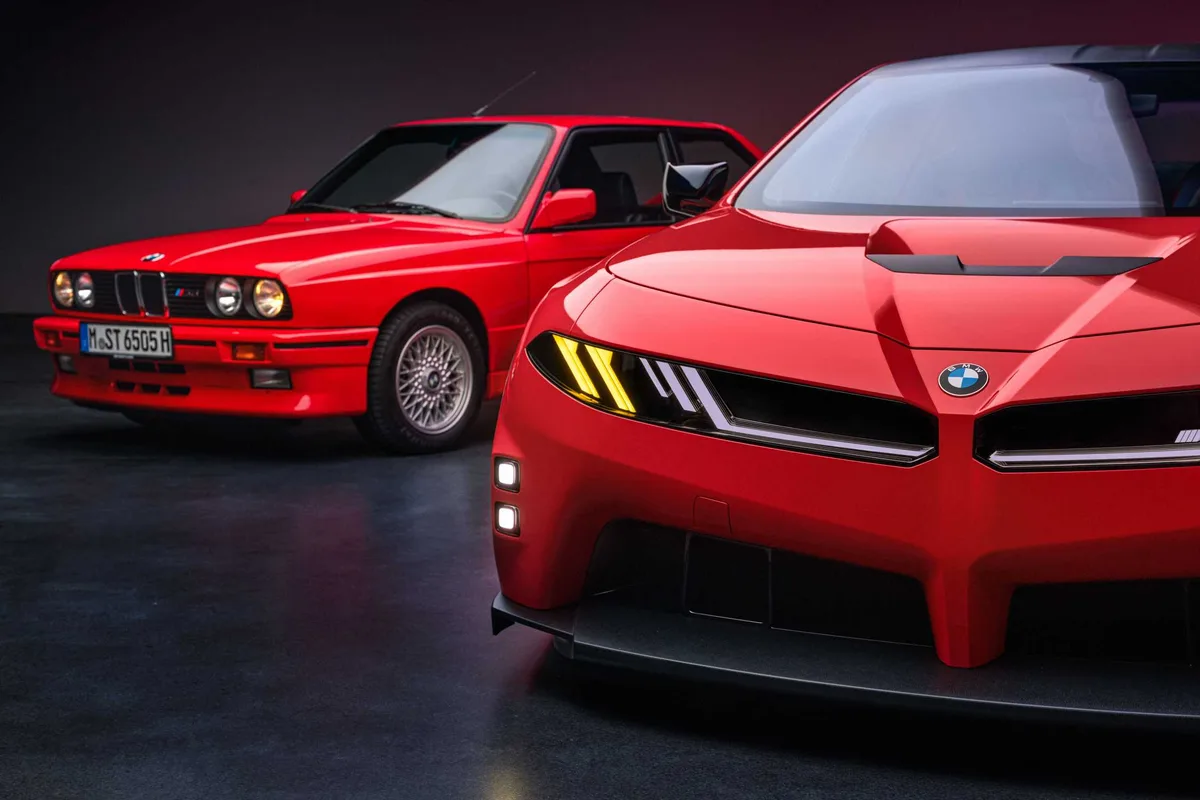
BMW is building an electric M3 and keeping the six-cylinder one

BMW's electric M3 is expected in production next year on a dedicated EV platform, and a combustion M3 is lined up for 2028 using a modified version of today's S58 twin-turbo inline-six with mild-hybrid help. M boss Frank van Meel has hinted the gas car may even keep a manual.

Back to Glossary