DuelsLeaderboardGarageBlogCarsGlossaryBrowse

EcoBoost

Car culture term

EcoBoost
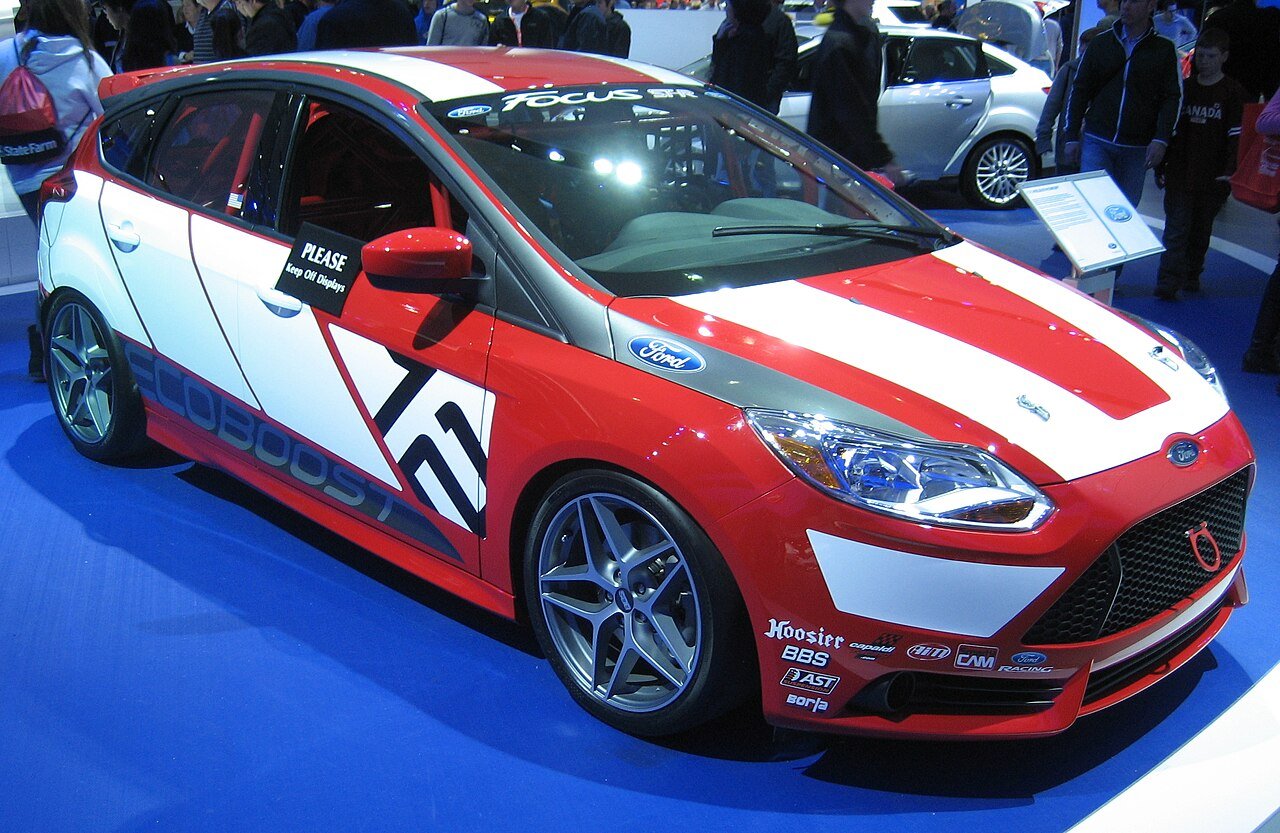
Photo: Dana60Cummins / Wikimedia Commons · CC0

What is EcoBoost?

EcoBoost is Ford's brand name for its family of turbocharged, direct-injection engines designed to deliver V6 or V8-like power from smaller displacement.

EcoBoost is Ford's marketing name for a family of turbocharged, direct-injection gasoline engines that the company began rolling out in the late 2000s. The core idea behind EcoBoost is downsizing: pairing a smaller-displacement engine with turbocharging and direct fuel injection to approach the power output of a larger naturally aspirated engine while aiming for better fuel efficiency under normal driving conditions.

The EcoBoost lineup spans a wide range of displacements and applications, from a 1.0-liter three-cylinder used in the Fiesta and Focus to a twin-turbocharged 3.5-liter V6 used in the F-150 and Raptor trucks. This range let Ford apply the same underlying technology approach across economy cars, family sedans, SUVs, and full-size trucks rather than confining turbocharging to performance models alone.

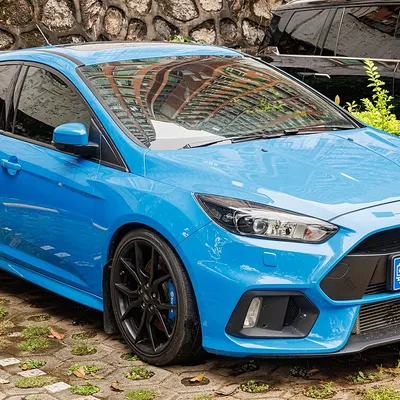
EcoBoost engines have also found their way into performance applications, including the Ford Focus RS and Mustang EcoBoost, showing that the same turbocharged, direct-injection architecture can be tuned for either efficiency or power depending on the application. The name has become one of the more recognizable engine sub-brands in the mainstream automotive market.
Related terms

TurboDynoHorsepowerHot hatch

Frequently asked questions

What does EcoBoost mean?
EcoBoost is Ford's name for its family of turbocharged, direct-injection engines designed to downsize displacement while approaching the power of larger naturally aspirated engines.
What vehicles use EcoBoost engines?
EcoBoost engines span Ford's lineup, from small three-cylinder units in the Fiesta and Focus to a twin-turbo V6 in the F-150 and Raptor, as well as performance models like the Mustang EcoBoost.
Is EcoBoost only about fuel economy?
No. While efficiency is part of the design goal, EcoBoost engines are also tuned for performance in some applications, such as the Focus RS, showing the platform can prioritize power as well as economy.
How does EcoBoost achieve power from smaller engines?
EcoBoost combines turbocharging with direct fuel injection, letting a smaller-displacement engine produce power closer to that of a larger naturally aspirated engine.
When did Ford introduce EcoBoost?
Ford began introducing EcoBoost engines in the late 2000s, expanding the lineup across cars, SUVs, and trucks in the years that followed.

EcoBoost on the blog

The 2027 Ford F-150 brings the V8 back in the expensive trims

The 2027 Ford F-150 makes the 5.0-liter V8 available from the base XL to the top Platinum again, and the King Ranch and Platinum get it back for the first time since 2023. A new 325 hp 3.0-liter EcoBoost becomes the base engine, and a new Raptor 800A trim starts $4,010 cheaper at $74,995.

What Made the Ford Focus RS So Special?

Ford built the Mk3 Focus RS for just three model years, and people still argue about it. It had 350 horsepower, a trick all-wheel-drive system that could shuffle torque across the rear axle, and a Drift Mode that actually worked. It also had a head gasket problem worth knowing about.

Back to Glossary