What is Ground Clearance?
The distance between the ground and the lowest part of a vehicle's underside, not counting the tires. It decides what a car or truck can drive over without scraping.
Wikipedia defines ground clearance as the shortest distance between flat, level ground and the lowest part of a vehicle that isn't meant to touch the ground, so the tires don't count. On many trucks the lowest point is the differential housing. Wikipedia lists three kinds: axle clearance under the axle or differential, suspension clearance under parts like the lower control arms, and running clearance under the body. Car makers usually measure it with the vehicle empty, though not always in the same way. Jeep measures at curb weight with the standard wheels and tires, while Mazda lists the MX-5's figure "laden." It's the same measurement as ride height, but people tend to say ground clearance when they're talking about SUVs and off-roading.
Clearance is a trade-off. More of it gives the suspension room to move and lets a vehicle cross rough ground without hitting rocks or bending parts underneath, but it also raises the center of mass, which hurts handling, raises the risk of a rollover, and usually costs some aerodynamic efficiency. That's why sports cars sit low and SUVs don't. Wikipedia puts a typical road car at about 6.3 to 6.7 inches and a typical SUV at 7.5 to 8.7 inches, while a Toyota GR Supra has just 4.5 inches. Clearance also works together with approach, departure, and breakover angles, and the breakover angle depends on both clearance and wheelbase, so a long vehicle with decent clearance can still get stuck on a crest.
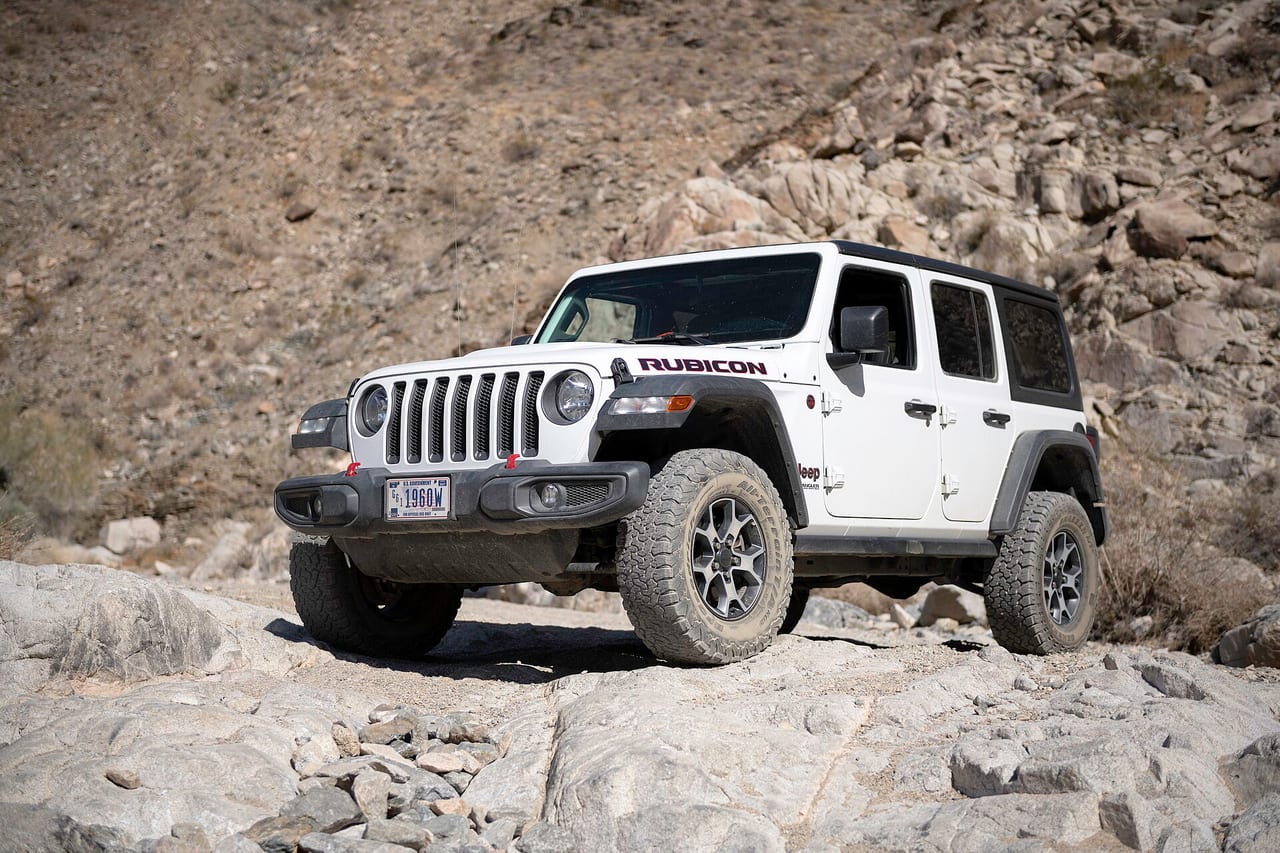
Published numbers show the spread. The 2025 Ford Bronco Sport has 7.8 to 8.8 inches depending on trim, the 2026 Subaru Outback has at least 8.7 inches and the Outback Wilderness has 9.5, and the Toyota 4Runner runs from 8.1 inches on the SR5 to 10.1 inches on the TRD Pro and Trailhunter. A Jeep Wrangler Rubicon has 10.8 inches on its standard tires and up to 12.9 inches on a four-door with 35-inch tires. Air suspension lets some vehicles change it on the fly, and the Land Rover Defender 110 rises from 218 mm (about 8.6 inches) to 291 mm (about 11.5 inches) at its off-road height. Owners can add clearance with a lift kit and bigger tires, or lose it on purpose with lowering springs or coilovers.
Related terms
Frequently asked questions
Ground Clearance on the blog

Japan has a name for nearly every custom look: bosozoku, shakotan, kaido racer, VIP, kyusha, dekotora, stance, kanjozoku, and itasha. Several trace back to 1970s race cars and the bosozoku gangs. Others came from fish truckers, anime fans, and a San Francisco brand.
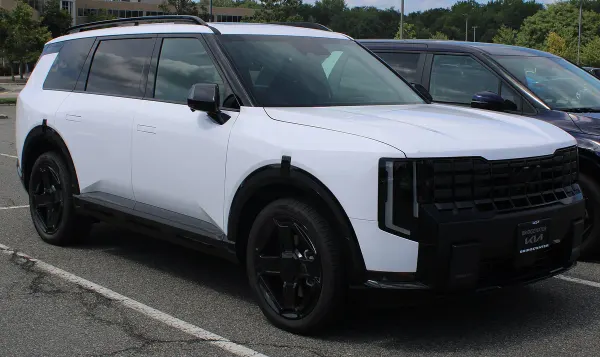
Kia's SUV lineup runs from the small Seltos to the three-row Telluride, with three electric models alongside. Here's what each one offers, which are built in Georgia, and what changed for 2027.
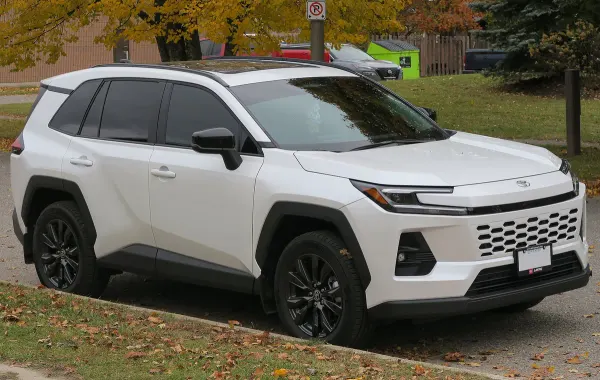
Toyota's US SUV lineup runs from the compact Corolla Cross to the full-size Sequoia, with hybrids almost everywhere and a growing set of EVs. Here's what each one offers, how they sold in 2025, and what's changing.
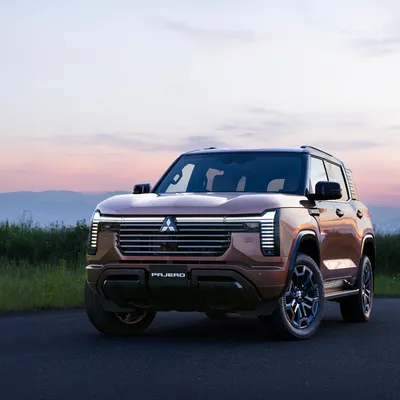
Mitsubishi revealed a fifth-generation Pajero on September 2, a body-on-frame SUV built in Thailand and aimed at the Toyota Land Cruiser. It is the first new Pajero since 2021, with a ladder frame from the Triton pickup, 9.1 inches of ground clearance, and a 2.4-liter turbodiesel.