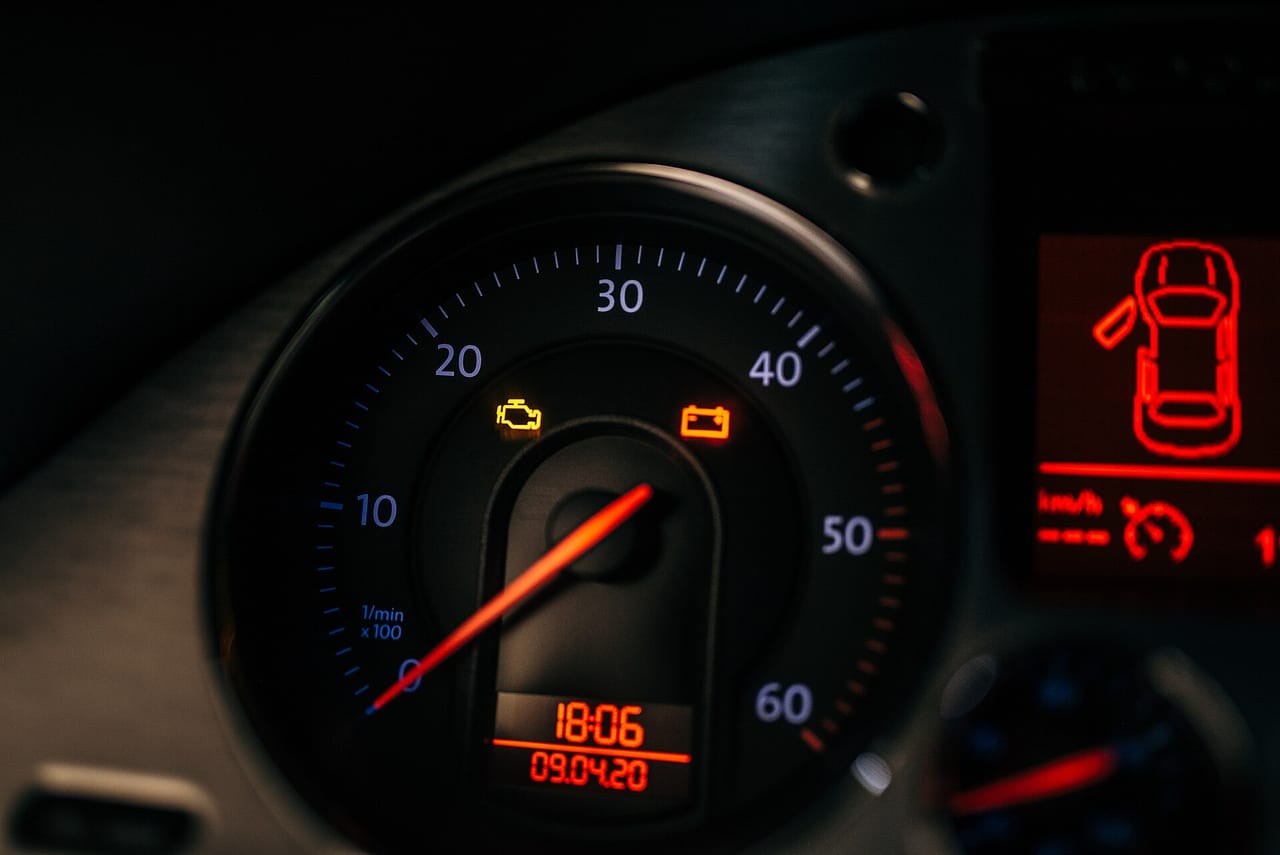
What is Check Engine Light?
A dashboard warning light that the engine computer turns on when it detects a problem, from a loose gas cap to a serious engine fault. Officially called the malfunction indicator lamp.
The check engine light, officially the malfunction indicator lamp or MIL, is the warning light a car's computerized engine-management system uses to flag a problem. That problem can be minor, like a loose gas cap, or serious, like worn spark plugs or engine damage. It usually reads "check engine," "service engine soon," or shows an engine symbol, and it lights up amber or red. When it comes on, the engine computer stores a fault code that can be read, usually with a scan tool. In the US, the EPA sets specific requirements for how it works.
The light generally has two modes. Steady means a fault that should be fixed soon to prevent further damage. Flashing means a severe problem that can make the car unsafe to drive, and it should get attention right away.
Some older cars had a single "engine" or "trouble" light that warned of imminent breakdown from low oil pressure, overheating, or a charging problem, and that kind of light was phased out in the mid-1980s to avoid confusion. The modern check engine light arrived in the early 1980s with computerized engine controls. Before standardized diagnostics, many cars could flash their fault codes through the light itself: jump two pins on GM's diagnostic connector, and the light would blink out code 12 as one blink, a pause, and two blinks. California required basic on-board diagnostics on new cars from 1988, and OBD-II, with its standardized connector and codes, became mandatory on all US passenger cars and gasoline light trucks under 8,500 pounds starting in 1996.
Related terms
Frequently asked questions
Check Engine Light on the blog
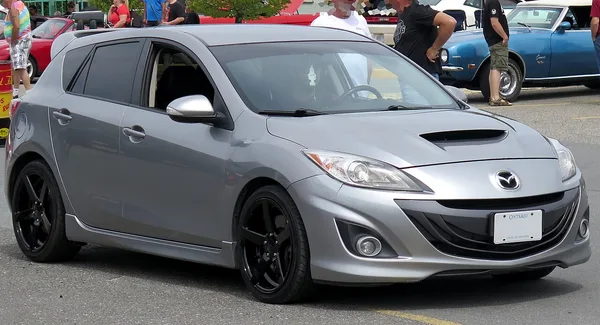
Every Mazdaspeed3 made 263 hp and 280 lb-ft from a 2.3-liter turbo four, from 2007 through 2013. Here is how Mazda kept that torque in check through the front wheels, what magazine tests clocked, and why the 2010 car wore a grin.
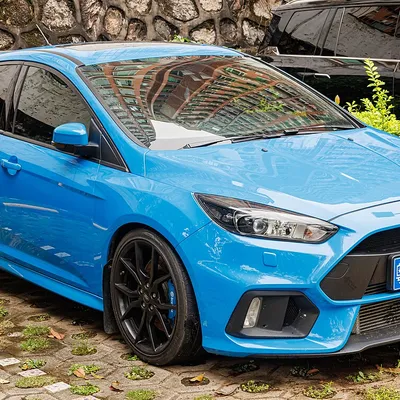
Ford built the Mk3 Focus RS for just three model years, and people still argue about it. It had 350 horsepower, a trick all-wheel-drive system that could shuffle torque across the rear axle, and a Drift Mode that actually worked. It also had a head gasket problem worth knowing about.
White is the best-selling car color in the world. Has been for over a decade. Buyers choose it because it's safe, resells well, hides dust reasonably, and looks clean on a configurator screen. None of those are design reasons. And design is exactly what white tests, mercilessly, every time a car wears it...
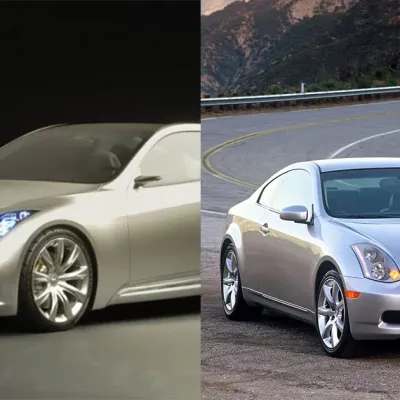
Every few years a car company rolls something onto an auto show stage that makes the crowd go quiet for a second before the applause starts. The proportions are perfect. The surfaces are sculpture. The details are unlike anything currently on the road. Then two years later the production version arrives and something has happened to it. The roofline is higher. The wheel arches are smaller. The front end has been softened. The car that made people stop talking is now a car people drive past without looking at. This happens so consistently it might as well be a law of automotive physics...