DuelsLeaderboardGarageBlogCarsGlossaryBrowse

Limp Mode

Car culture term

Limp Mode
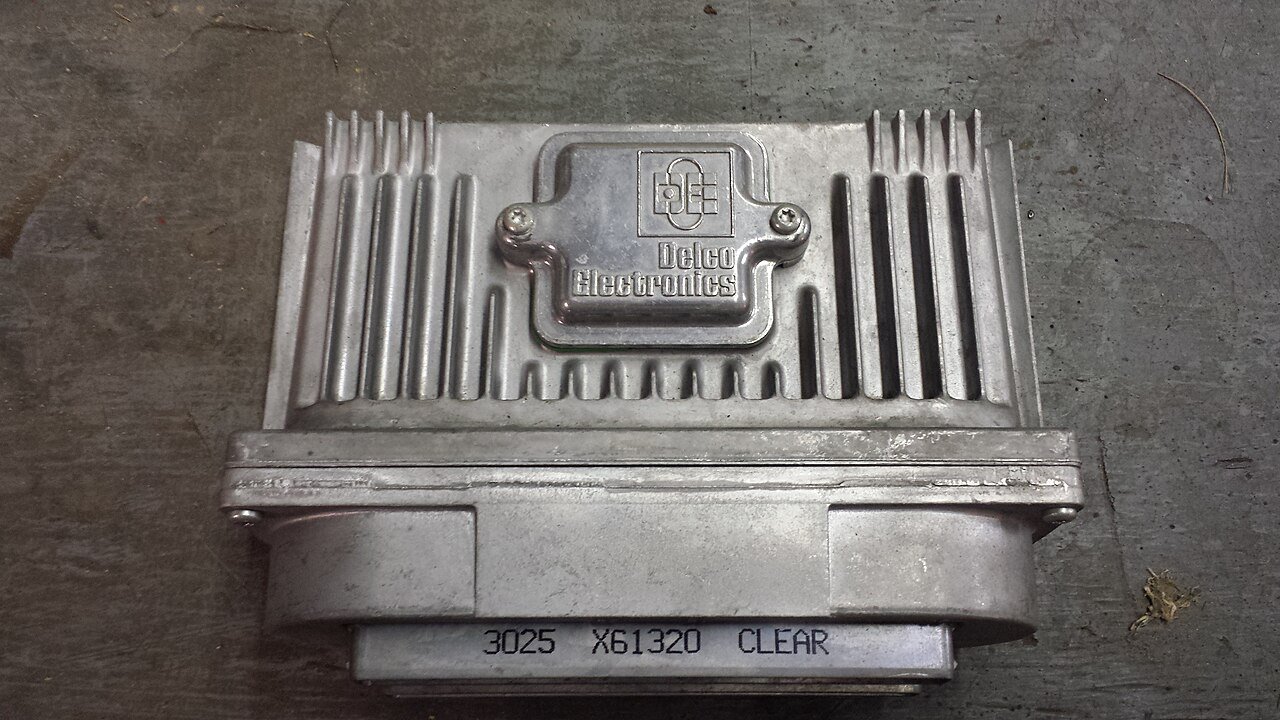
Photo: User:Mgiardina09 This photo was taken with Samsung Galaxy S4 / Wikimedia Commons · CC BY-SA 3.0

What is Limp Mode?

Limp mode is a self-protective failsafe the engine or transmission control unit triggers when it detects a serious fault, cutting power and limiting RPM so the car can still be driven cautiously to a repair shop.

Limp mode, sometimes called limp home mode, is a reduced-power operating state that a vehicle's engine control unit or transmission control unit switches to automatically when it detects a sensor reading, mechanical condition, or electrical fault outside of expected safe parameters. Rather than continuing to run normally with potentially unreliable data or a failing component, the control unit falls back to a conservative set of default values, restricting throttle response, capping RPM, sometimes locking the transmission into a single gear, and often illuminating a check engine or warning light.

Common triggers include a failed sensor such as a throttle position sensor, mass airflow sensor, or transmission speed sensor, low transmission fluid pressure, an overheating engine or transmission, a boost control fault on a turbocharged engine, or a wiring or connector problem that produces implausible readings. Because the control unit cannot always tell how severe the underlying issue is, it treats many different faults the same way, by protecting the drivetrain from further damage even at the cost of drivability.

A car in limp mode will typically feel sluggish, may refuse to shift out of one gear, and will often cap its top speed, but it remains driveable enough to get off the road or to a repair facility, which is the entire point of the feature. Diagnosing the cause requires reading the stored diagnostic trouble codes with an OBD-II scanner, since limp mode itself is only a symptom, and the underlying sensor, wiring, or mechanical fault must be identified and repaired before normal operation resumes.

Related terms

ECU tuneStandalone ECUKnockRedlineRev Limiter

Frequently asked questions

What triggers limp mode?
Limp mode is triggered by a fault the engine or transmission control unit considers serious enough to threaten the drivetrain or emissions system, such as a failed sensor, low transmission fluid pressure, overheating, a boost control problem, or an electrical wiring fault producing implausible readings.
Is it safe to keep driving in limp mode?
It is generally safe for short distances at reduced speed, since limp mode exists specifically to let the car limp to a safe location or repair shop, but it should not be treated as a normal driving state, and the underlying cause should be diagnosed and fixed as soon as possible.
How do you get a car out of limp mode?
Sometimes turning the engine off, waiting a few minutes, and restarting clears a minor or intermittent fault and returns the car to normal operation, but if the underlying issue persists, limp mode will return, and the real fix requires diagnosing and repairing the fault that triggered it.
What are the signs a car has entered limp mode?
Typical signs include a sudden drop in power and throttle response, the transmission locking into one gear or refusing to shift normally, a capped top speed or RPM ceiling, and an illuminated check engine light or a specific warning message on the dashboard.
Can a diagnostic scanner identify why a car went into limp mode?
Yes. An OBD-II scanner reads the diagnostic trouble codes the control unit stored when it triggered limp mode, which point toward the specific sensor, circuit, or system that failed, and that code is the starting point for an accurate repair.

Limp Mode on the blog

Range Rover doesn’t want to sell more cars. It wants to make each one worth more

Range Rover's marketing director says the brand's job "really is not to sell lots and lots of cars" but to build value, with managing director Martin Limpert aiming to be "in the modern luxury business" through one-to-one bespoke commissions. It's also a smart answer to the Chinese copies problem.

Range Rover says the "Chinese copies are a compliment"

Range Rover boss Martin Limpert says Chinese copies like the Jaecoo J7, nicknamed the Temu Range Rover, are a badge of honor. It's a change of tone from the company that beat Landwind in a Beijing court in 2021 over five copied design features on the Evoque.

Back to Glossary