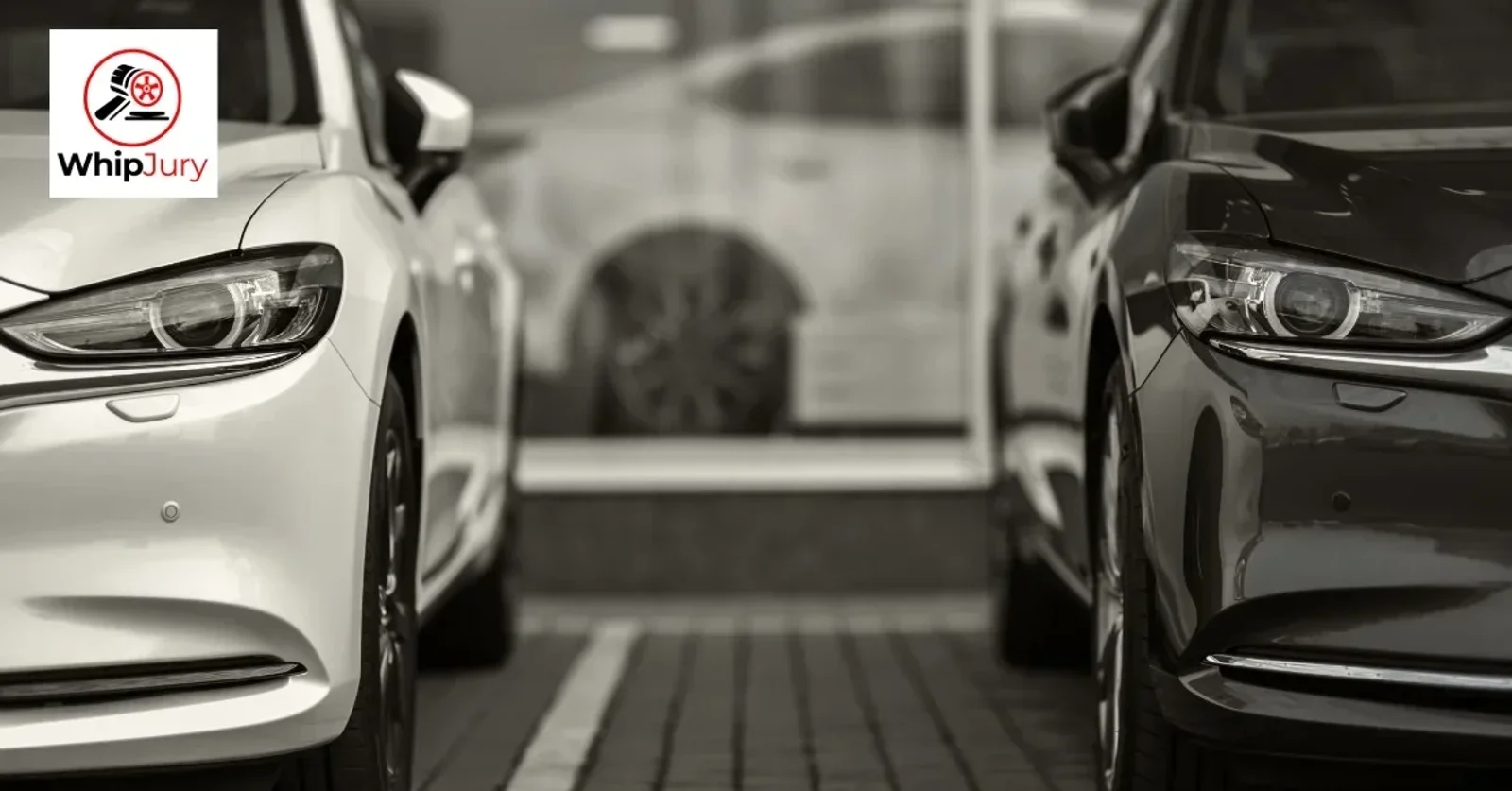
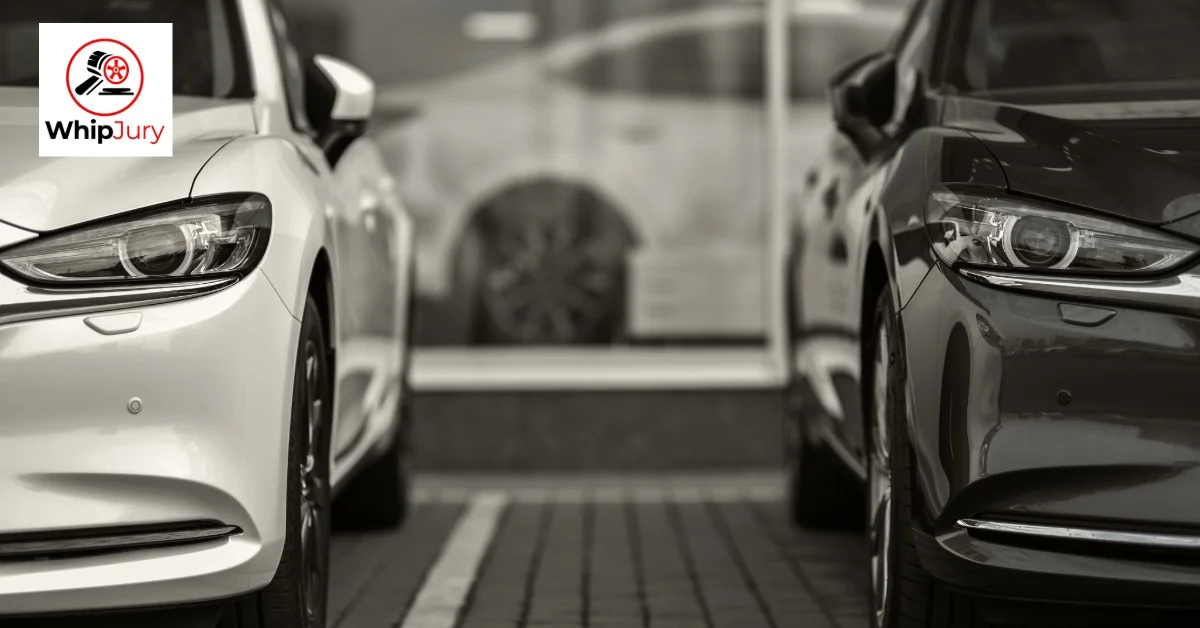
Every car looks different in black. Every car looks different in white. And almost every car owner has a strong opinion about which one is right. This debate has been running in parking lots, forums, and showrooms for decades and it never gets old because the answer actually depends on the car.
Here is how both colors work, where each one wins, and which cars should never be one or the other.
What Black Does to a Car
Black is a flattener. It absorbs light instead of reflecting it, which means surface details, character lines, and sculpting all become harder to read. On a car with deep, dramatic body lines this can actually work in its favor. The shadows deepen, the highlights narrow, and the whole car takes on a menacing, graphic quality that no other color replicates.
Black also makes a car look lower and wider, which is almost always desirable. The body appears to hug the ground. The wheels stand out more against the dark body. Chrome and gloss trim pop in a way they simply don't against lighter colors.
The downside is unforgiving. Black shows every scratch, every swirl mark, every water spot, and every panel imperfection. On a car with flat or uninspired surfaces, black removes any visual interest those surfaces might have had in another color and replaces it with nothing. A boring car in black is just a dark boring car.
What White Does to a Car
White is a revealer. It reflects light evenly across the entire body, which means every curve, every crease, and every surface transition becomes visible. A well-designed car in white looks like a sculpture. The body surfaces read in full. Nothing hides.
White also makes a car look larger, cleaner, and more modern. It has a clinical precision to it that works especially well on vehicles with geometric or minimalist design languages. It reads as expensive in a quiet, confident way rather than an aggressive one.
The downside is the same as black but different. White does not hide dirt the way people expect it to. Brake dust on white wheels, mud on white lower panels, and road grime along the rocker area are all brutally visible. And on a car with weak surface design, white exposes every flaw. There is nowhere to hide in white.
Where Black Wins
Black is the right call on cars built for aggression. Muscle cars, full-size American sedans, large SUVs with imposing proportions. The Dodge Charger in black is a different car than the Charger in white. The Chrysler 300 in black looks like it belongs in a motorcade. The Range Rover in black looks like it costs twice what it does.
Sports cars with tight, complex surfacing also reward black. A Porsche 911 in black turns the whole car into a study in proportion. The details become secondary to the overall shape and the shape is strong enough to carry that.
Black also wins on trucks. A blacked-out pickup with matching trim reads as intentional and aggressive in a way that white never quite achieves.
Where White Wins
White is the right call on cars built for elegance or precision. European sports cars, modern EVs, anything with a clean geometric design language. A Ferrari in white is a different argument than a Ferrari in red. It trades passion for purity and on certain cars that trade is worth making.
White also wins on compact and subcompact cars. Small cars in black can look heavy and plain. The same car in white looks lighter, more modern, and more intentional. The Mazda3 in white is a 7. The Mazda3 in flat black needs to earn that.
Minivans and crossovers almost universally look better in white. These vehicles are not trying to look aggressive. They are trying to look clean and capable. White does that. Black just makes them look like a hearse tried to become practical.
The Cars That Break the Rules
Some cars genuinely look better in whichever color you put them in. The Porsche 911 is one. The Mercedes G-Wagon is another. The Land Cruiser. These are cars with such strong design DNA that color becomes a personal preference rather than a correct answer.
Then there are cars that look worse in both. If the design is truly weak, neither black nor white saves it. The color becomes irrelevant because the proportions, the panel gaps, or the overall coherence just are not there. No color fixes a bad car. It just changes the shade of the problem.
The Verdict
There is no universal winner. Black rewards aggression and strong surface design. White rewards elegance and geometric precision. The wrong color on the right car will always lose to the right color on any car.
What the debate really comes down to is this: black asks whether the car is tough enough to carry it. White asks whether the car is refined enough to deserve it. Most cars answer one question better than the other.
Pick a car, pick a color, and put it to a vote on WhipJury. The ratings will tell you what color the crowd thinks won.

Cam Walsh has been obsessing over cars since before he could drive one. Based out of Atlanta, Cam covers automotive design, car culture, and the eternal debate over which whips actually look the part.