Toyota Prius
JDM · Toyota

The hybrid that changed the world. The car that made hybrids mainstream.
The Toyota Prius is the car that brought hybrid technology to the mainstream, launching in 1997 in Japan and becoming a global symbol of fuel efficiency and green motoring. Its Hybrid Synergy Drive system paired a gas engine with electric motors for exceptional fuel economy, and it became the best-selling hybrid in the world. Over its generations the Prius improved efficiency, added a plug-in Prime variant, and, in its latest form, gained genuinely striking styling that shed its frumpy image. The Prius proved hybrids could be practical, reliable, and economical for everyday drivers. On WhipJury, the Prius appears as an efficient, iconic hybrid, with the sharp new generation drawing fresh interest.
Prius highlights
Hybrid pioneer. The car that made hybrids mainstream, launched 1997.
Prime. The plug-in hybrid variant with electric-only range.
Latest generation. Striking new styling that transformed the car image.
Prius on WhipJury
An iconic hybrid, with the bold new generation gaining fresh attention.
Frequently asked questions about Toyota Prius
More on the Toyota Prius
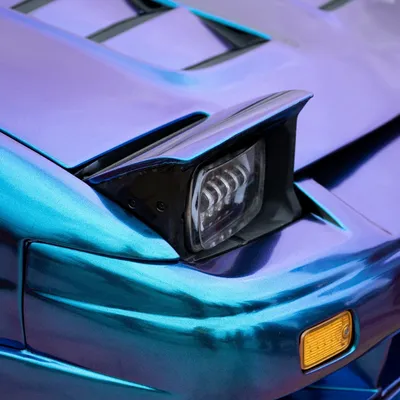
Short answer: yes, usually. Facelifted cars tend to hold value better than the pre-facelift version of the same model, sometimes significantly better, and the reason has less to do with what changed under the hood and more to do with how the car looks. Research by EurotaxGlass's comparing used car values before and after mid-life facelifts found that updated exterior styling can improve residual values by up to 15 percent during the first year of ownership. The premium is highest for prestige brands where even subtle visual updates carry significant perceived value...
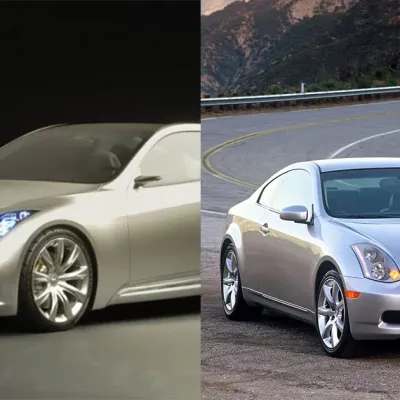
Every few years a car company rolls something onto an auto show stage that makes the crowd go quiet for a second before the applause starts. The proportions are perfect. The surfaces are sculpture. The details are unlike anything currently on the road. Then two years later the production version arrives and something has happened to it. The roofline is higher. The wheel arches are smaller. The front end has been softened. The car that made people stop talking is now a car people drive past without looking at. This happens so consistently it might as well be a law of automotive physics...

Japanese automakers have been quietly building the strongest design portfolio in the world, and the automotive press is only now catching up to what has been happening. This did not happen overnight. It is the result of a philosophy shift that started in Hiroshima with one mid-size brand and spread outward in ways that are still playing out...

Overrated doesn't mean ugly. It means the hype didn't match the reality. These are cars that got praised, won awards, moved units, and generated magazine covers, but when you really look at them, something is off. The proportions don't work. The details clash. The design made a promise it couldn't keep...