Lexus GS
JDM · Lexus

Lexus GS: The Sport-Oriented Executive Sedan
The GS was Lexus's mid-size rear-drive sport sedan, a more driver-focused alternative to the comfort-oriented ES.
Produced from 1993 to 2020, the GS was Lexus's rear-wheel-drive (available all-wheel-drive) mid-size sport sedan, positioned to compete with the BMW 5 Series and Mercedes E-Class. Unlike the comfort-focused ES, the GS emphasized sharper handling and a more engaging drive.
The GS offered V6 and V8 power, hybrid options, and the high-performance GS F with a naturally aspirated V8. Its balanced rear-drive chassis and luxurious interior made it a credible sport-luxury sedan.
The GS was discontinued in 2020 as the sedan market declined and SUVs took priority, but it remains a well-regarded rear-drive luxury sport sedan.
Frequently asked questions about Lexus GS
More on the Lexus GS

New spy photos show the production Lexus LFA testing in camouflage. The new LFA is electric, built on the Toyota GR GT's aluminum frame without the GR GT's V8. Motor1 says production is on schedule for 2027, and specs and pricing are still unannounced.
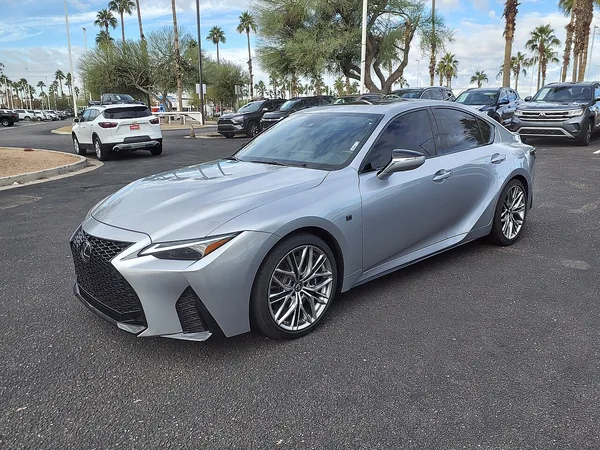
The Lexus IS 500 F Sport Performance is a compact sedan with a 472-hp, 5.0-liter V8. It ran from the 2022 to the 2025 model year, wore a raised hood and stacked exhaust tips, and bowed out with a 500-car Ultimate Edition. The IS is now V6 only.
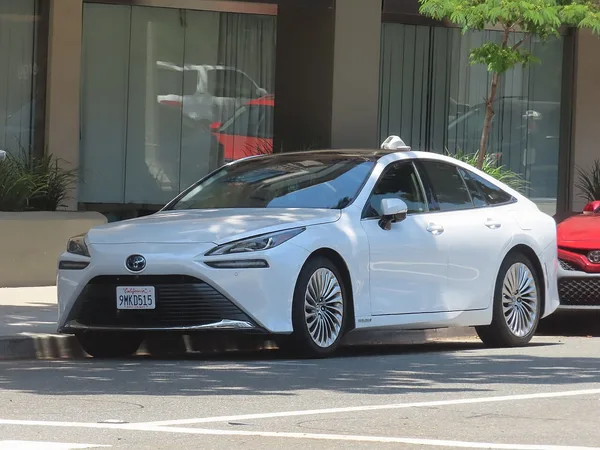
The Toyota Mirai makes its own electricity in a fuel cell that combines hydrogen with oxygen and leaves only water. Here is how the tanks, 402-mile range, and five-minute fill work, why the second generation went rear-drive, and why sales and stations keep shrinking.
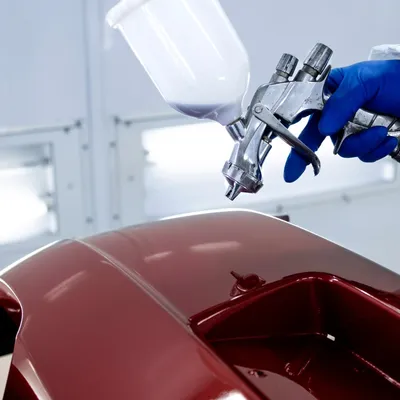
Metallic paint uses aluminum flake, pearl uses ceramic crystals that refract light into different colors, and matte scatters light so you see form instead of reflections. Each one changes how a car's shape reads, and matte costs 40 to 50 percent more to repair because the clear coat cannot be polished.