DuelsLeaderboardGarageBlogCarsGlossaryBrowse

Malaise Era

Car culture term

Malaise Era
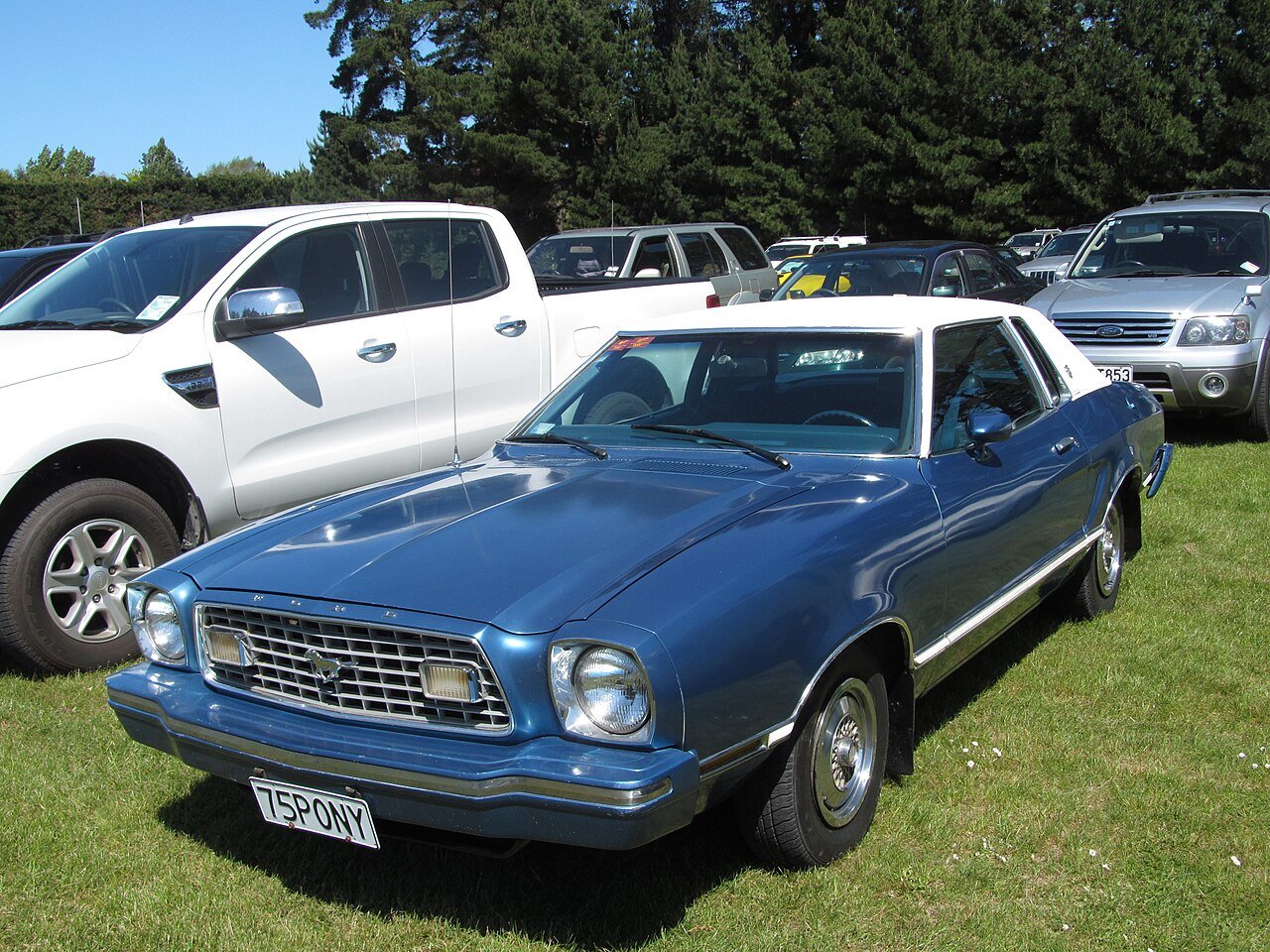
Photo: Riley from Christchurch, New Zealand / Wikimedia Commons · CC BY 2.0

What is Malaise Era?

The Malaise Era is the enthusiast nickname for the roughly mid-1970s to early-1980s stretch of American cars, when new emissions and safety rules plus fuel crises sharply cut horsepower and performance.

The Malaise Era is a term car enthusiasts use for American cars built roughly from the mid-1970s through the early-to-mid 1980s, a stretch when a combination of new federal regulations and economic pressure gutted the performance that had defined the muscle car boom of the prior decade. The name borrows from President Jimmy Carter's widely referenced 1979 speech about a national crisis of confidence, applied retroactively by enthusiasts to describe the mood surrounding the era's cars rather than any official industry term.

Several forces converged at once. Tightening federal emissions standards forced automakers to lower compression ratios and add early, often crude, emissions control equipment before fuel injection and computer engine management matured enough to recover lost power. New federal bumper-impact standards added weight with plain, regulation-driven bumper designs. The 1973 and 1979 oil crises pushed buyers toward smaller, more efficient cars and pressured automakers to prioritize fuel economy over output. The combined result was that some V8 engines that had made 300 or more horsepower in the early 1970s were rated at under 150 horsepower by the late 1970s, despite similar displacement.

Despite its reputation, the Malaise Era is not remembered as a total dead zone by every enthusiast. Turbocharged models like the Buick Regal's early turbo V6 and certain fuel-injected performance trims began pointing toward the tools, forced induction and electronic engine management, that would eventually restore and exceed prior performance levels through the 1980s and beyond. The term today is used both as a punchline for the era's weakest cars and as a genuine reference point for how far emissions and safety regulation reshaped what performance meant.

Related terms

Muscle carHorsepowerCompression ratioRestomodBarn find

Frequently asked questions

What years does the Malaise Era cover?
There is no official start or end date, but enthusiasts generally place the Malaise Era from around 1973 to the early-to-mid 1980s, spanning the period between the first major oil crisis and the point when fuel injection and computer engine management began restoring lost performance.
Why did horsepower drop so much during the Malaise Era?
New federal emissions standards forced lower compression ratios and added early, unrefined emissions equipment before fuel injection and electronic engine controls matured enough to recover the lost output, while new bumper-impact rules added weight and fuel crises pushed automakers toward efficiency over power.
Where does the term Malaise Era come from?
It references President Jimmy Carter's 1979 televised speech about a national crisis of confidence, informally nicknamed the malaise speech even though he never used that word in it. Car enthusiasts later borrowed the label to describe the mood of the era's weak-performing cars.
Are any Malaise Era cars considered good today?
Yes, a handful stand out, including early turbocharged models like the Buick Regal turbo V6 and select fuel-injected performance trims, which hinted at the forced-induction and electronic-management technology that would eventually restore and surpass prior performance levels.
How did automakers eventually recover performance after the Malaise Era?
Electronic fuel injection replaced carburetors, allowing far more precise air-fuel control, computerized engine management optimized ignition timing and emissions compliance simultaneously, and turbocharging and later variable valve timing let engines meet emissions rules while restoring and eventually exceeding pre-Malaise horsepower figures.

Malaise Era on the blog

The Last Great Era of American Car Design (And Why It Ended)

American car design peaked twice. The first peak was the 1950s, when post-war prosperity and genuine cultural euphoria produced colors, proportions, and detail work that no subsequent era has matched. The second peak was shorter, more aggressive, and in many ways more interesting: the roughly decade-long window from 1964 to 1974 when American muscle car design produced some of the most visually forceful objects ever put on public roads. Then four things happened simultaneously and it was over within eighteen months...

Back to Glossary