What is EREV?
Extended-range electric vehicle: an EV that carries a gas engine used only as a generator to recharge the battery.
An EREV, or extended-range electric vehicle, is an electric car with a small combustion engine on board that acts as a generator. The wheels are driven by electric motors, and the engine usually has no mechanical connection to them. When the battery runs low, the engine starts and makes electricity. You can still plug an EREV in and charge it from the grid. The same idea also goes by REEV, for range-extended electric vehicle.
The difference from a regular plug-in hybrid is who drives the wheels. In most PHEVs the engine can push the car directly, alone or alongside the motor. In an EREV the battery and motor always do that job, so the engine can be sized for average demand and run at its most efficient speed no matter how fast the car is going. The line has blurred as batteries have grown, and most regulators file EREVs under PHEVs anyway. Grid charging is part of the definition. Nissan's e-Power system uses the same engine-as-generator layout, but it can't be charged from the grid, so it counts as a regular hybrid.
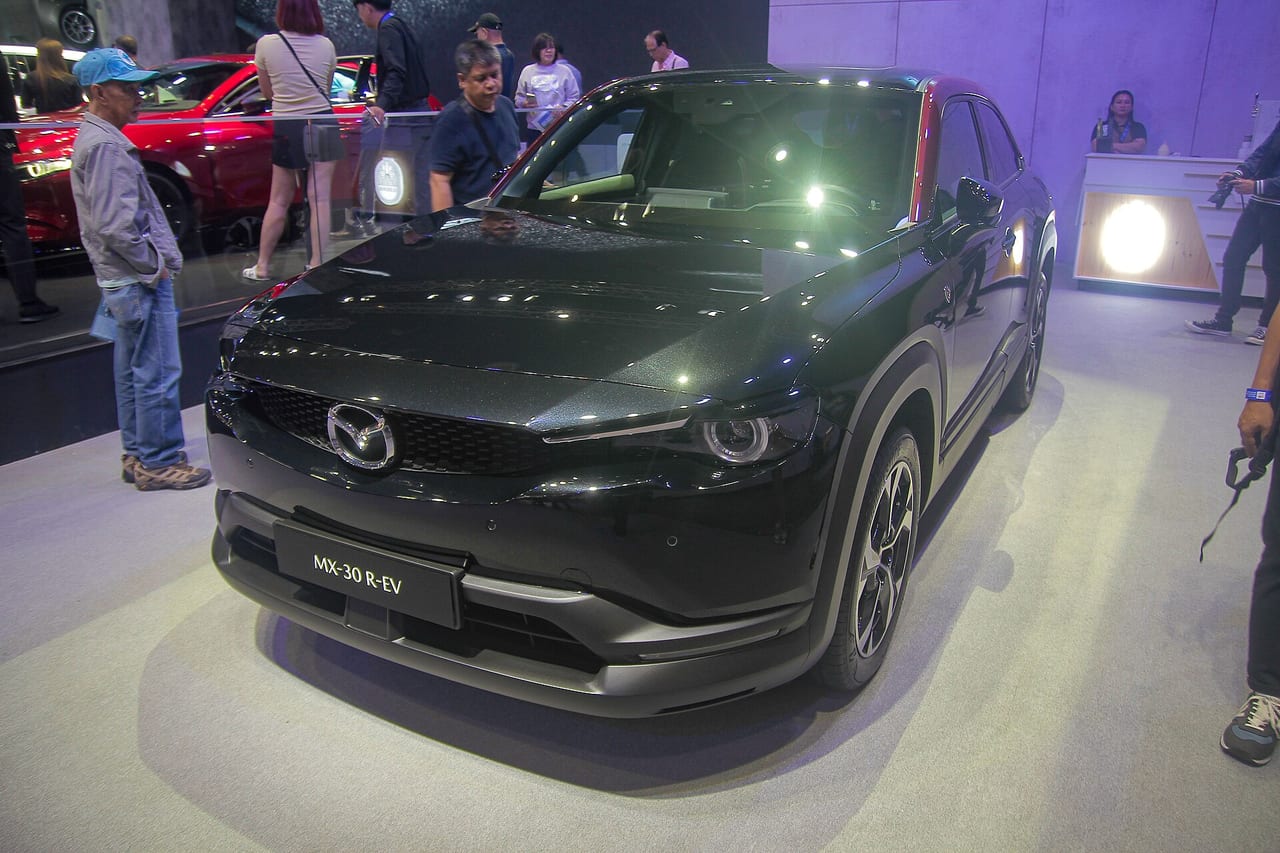
Outside China the idea struggled at first. The Chevrolet Volt and the BMW i3 REx were both gone by the early 2020s, and as of 2025 Europe had only two on sale, the Leapmotor C10 REEV and the Mazda MX-30 R-EV, which uses a single-rotor rotary engine as its generator. In China the segment reached mass-market scale from around 2019, led by Li Auto, AITO, and Leapmotor, and EREV sales there reached 1.18 million in 2024 alone. Stellantis, Scout Motors, Hyundai, and Ford have all announced EREVs for 2026 to 2029, as a bridge for buyers still wary of full EVs and the range anxiety that comes with them.