DuelsLeaderboardGarageBlogCarsGlossaryBrowse

DC Fast Charging

Car culture term

DC Fast Charging
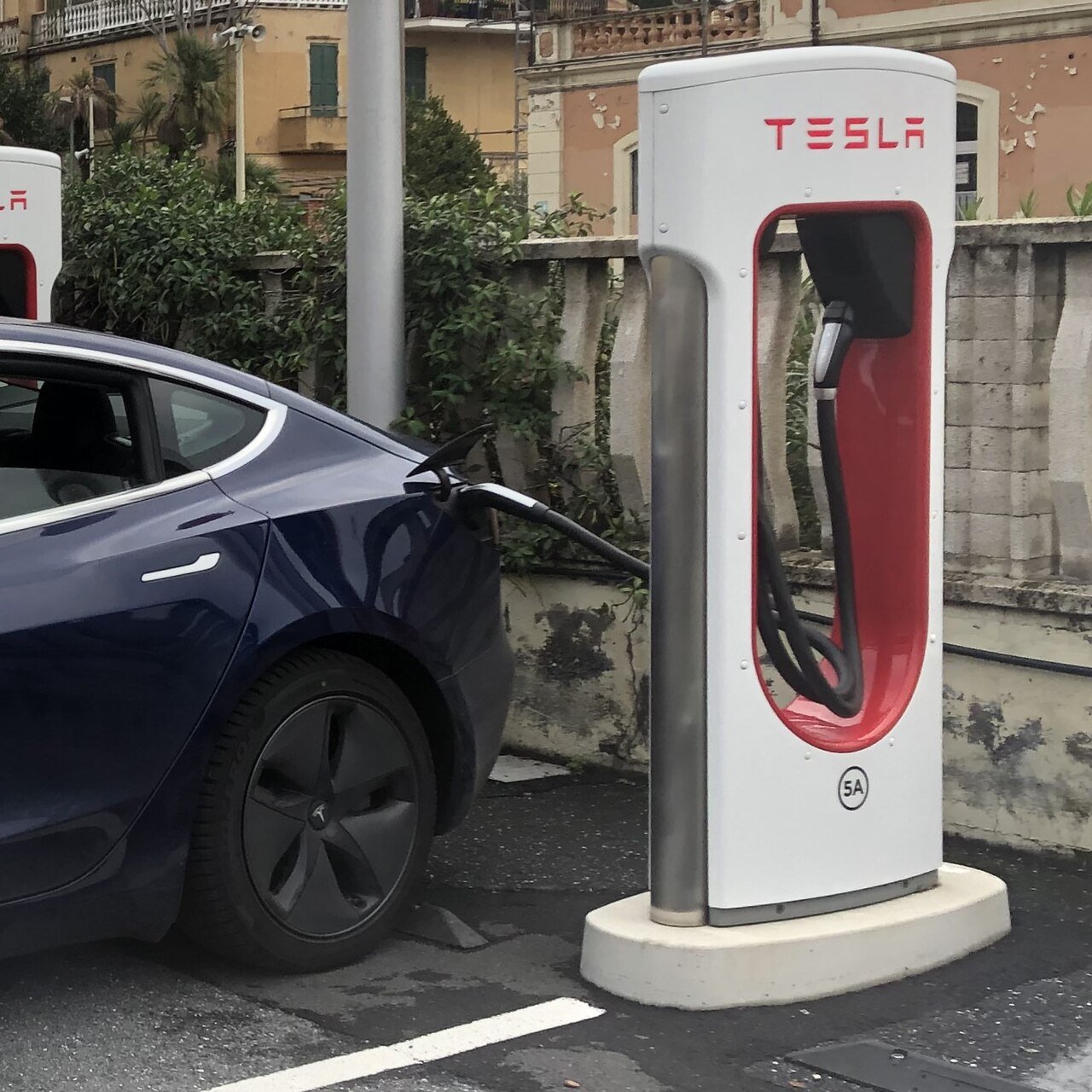
Photo: Lklundin / Wikimedia Commons · CC BY-SA 4.0

What is DC Fast Charging?

High-power EV charging that delivers direct current straight to the battery, adding significant range in minutes rather than hours.

DC fast charging is a method of rapidly recharging an electric vehicle by supplying direct current straight to the battery, bypassing the car's onboard AC charger. Because the charger itself handles the AC-to-DC conversion at high power, it can deliver far more energy than home or destination AC charging.

Where home charging might add a few miles of range per hour, a DC fast charger can add a large portion of the battery in 20 to 40 minutes, depending on the car and charger. Charging speed is fastest at lower states of charge and tapers as the battery fills to protect cell health.

Common DC standards include CCS, NACS and CHAdeMO. Real-world speed depends on the car's maximum charge rate, the charger's output, battery temperature and state of charge, which is why preconditioning the battery before a stop can help.

Related terms

800V ArchitectureLFP BatteryRegenerative brakingOne-Pedal DrivingSkateboard Platform

Frequently asked questions

What is DC fast charging?
It is high-power EV charging that sends direct current straight to the battery, adding significant range in minutes rather than hours.
How fast is DC fast charging?
Depending on the car and charger, it can add a large portion of the battery in roughly 20 to 40 minutes.
Why does charging slow down as the battery fills?
Charging tapers at higher states of charge to protect the cells from heat and degradation, so the last portion takes longer.
What are the main DC charging standards?
Common standards include CCS, NACS and CHAdeMO, with availability varying by region and manufacturer.
Does battery temperature affect fast charging?
Yes, a cold battery charges more slowly, which is why many EVs precondition the pack before arriving at a fast charger.
Back to Glossary