DuelsLeaderboardGarageBlogCarsGlossaryBrowse

Coyote Engine

Car culture term

Coyote Engine
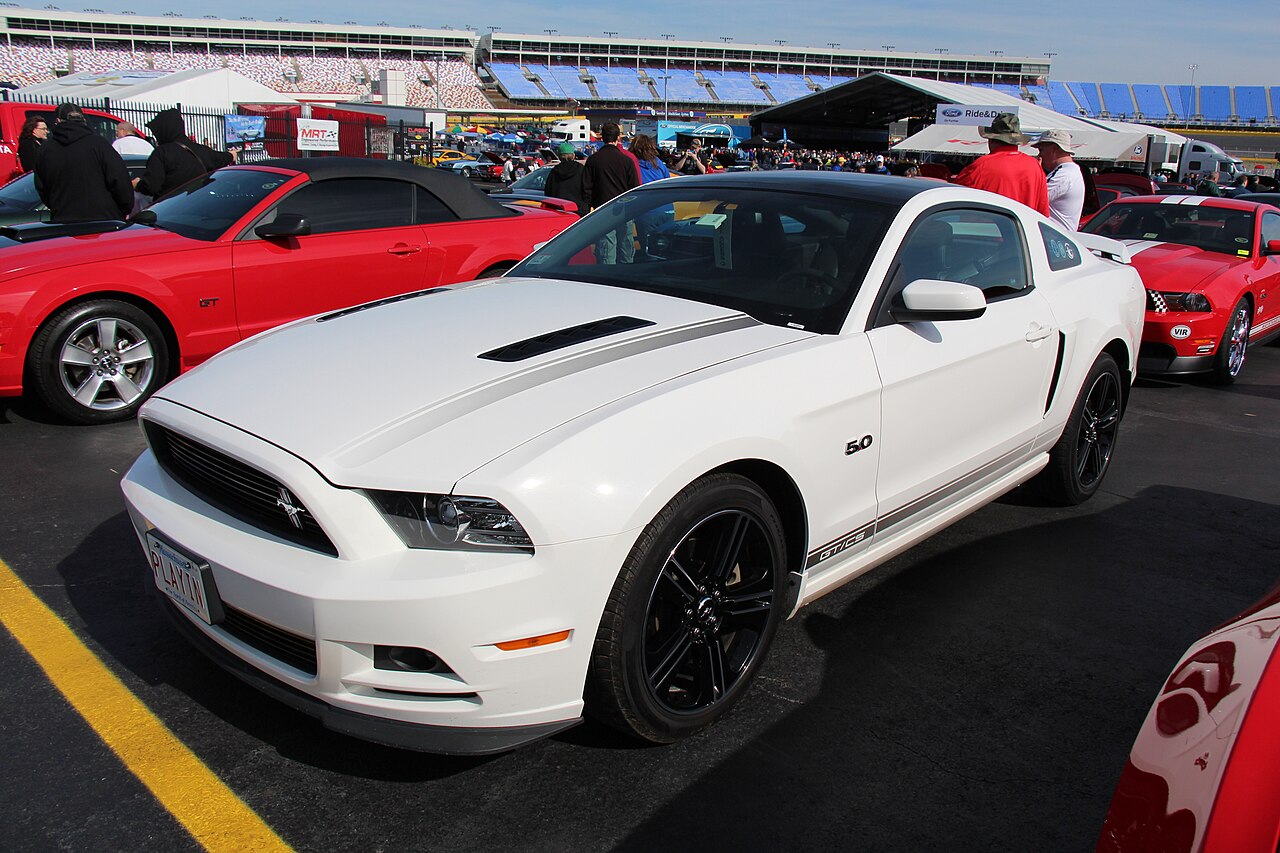
Photo: Sicnag / Wikimedia Commons · CC BY 2.0

What is Coyote Engine?

Ford's modern 5.0-litre naturally aspirated V8, introduced in the 2011 Mustang GT and known for high revs and strong tuning potential.

The Coyote is Ford's 5.0-litre dual-overhead-cam V8, launched in the 2011 Mustang GT. It revived the famous "5.0" badge with a thoroughly modern design featuring four valves per cylinder, variable cam timing and a high redline, a big step beyond the older pushrod and modular V8s.

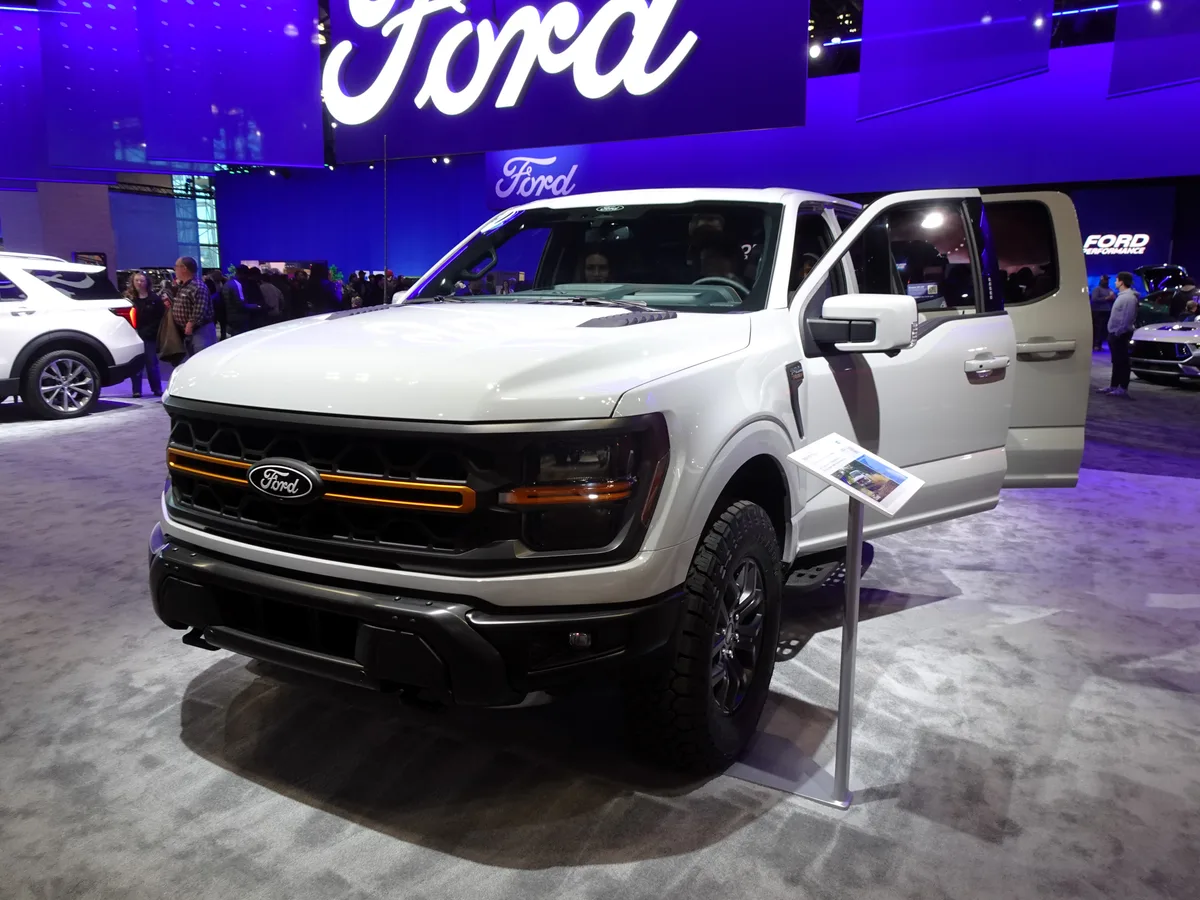
The Coyote has been updated through several generations, gaining higher output, revised heads and, in some versions, dual fuel injection. It powers the Mustang GT and the F-150, with output rising from around 412 horsepower at launch to well over 480 in later forms.

Enthusiasts value the Coyote for its free-revving naturally aspirated character and its strong response to forced induction. Supercharged and turbocharged Coyotes are common in the Mustang community, and the engine is also a popular swap into older Fords and hot rods.
Related terms

Muscle carSuperchargerLS swapPony carNaturally aspirated

Frequently asked questions

What car has the Coyote engine?
The Coyote 5.0-litre V8 debuted in the 2011 Mustang GT and also powers the Ford F-150 pickup.
How much power does the Coyote make?
Output started around 412 horsepower and has risen to well over 480 horsepower in later generations.
Is the Coyote good for forced induction?
Yes, the Coyote responds very well to supercharging and turbocharging, making big power gains common in the Mustang community.
Is the Coyote a pushrod engine?
No, it is a modern dual-overhead-cam V8 with four valves per cylinder and variable cam timing.
Why is it called the Coyote?
The name is an internal Ford project name that stuck, reportedly referencing a historic Ford-powered Indy race car.

Coyote Engine on the blog

Back to Glossary