Car color is personal. Everyone knows that. But some colors are not just a matter of taste. Some colors are objectively bad decisions that flatten great designs, age poorly, and make buyers regret the moment they signed the paperwork. This is about those colors.
Not unpopular colors. Not rare colors. The ones that look bad on almost every car that offers them.
Beige and Champagne: The Color of Giving Up
Beige exists on car color menus because someone, somewhere, asked for it. That person should have to answer for what they started. Beige does nothing for any car. It does not read as sophisticated the way silver does. It does not read as clean the way white does. It does not even read as neutral. It reads as the color chosen by someone who could not commit to a choice.
Champagne is beige with a marketing budget. Automakers rename it to charge more for it and make buyers feel better about the decision. The car still looks like it belongs in a retirement community parking lot. The Lexus ES in champagne. The Cadillac XT5 in champagne. These are cars that deserve better and got worse.
Pale Yellow: Almost Always a Mistake
There is a version of yellow that works on a car. Bright, saturated, committed yellow on a sports car is a statement. A Porsche in Racing Yellow is a 9. That is not what this is about.
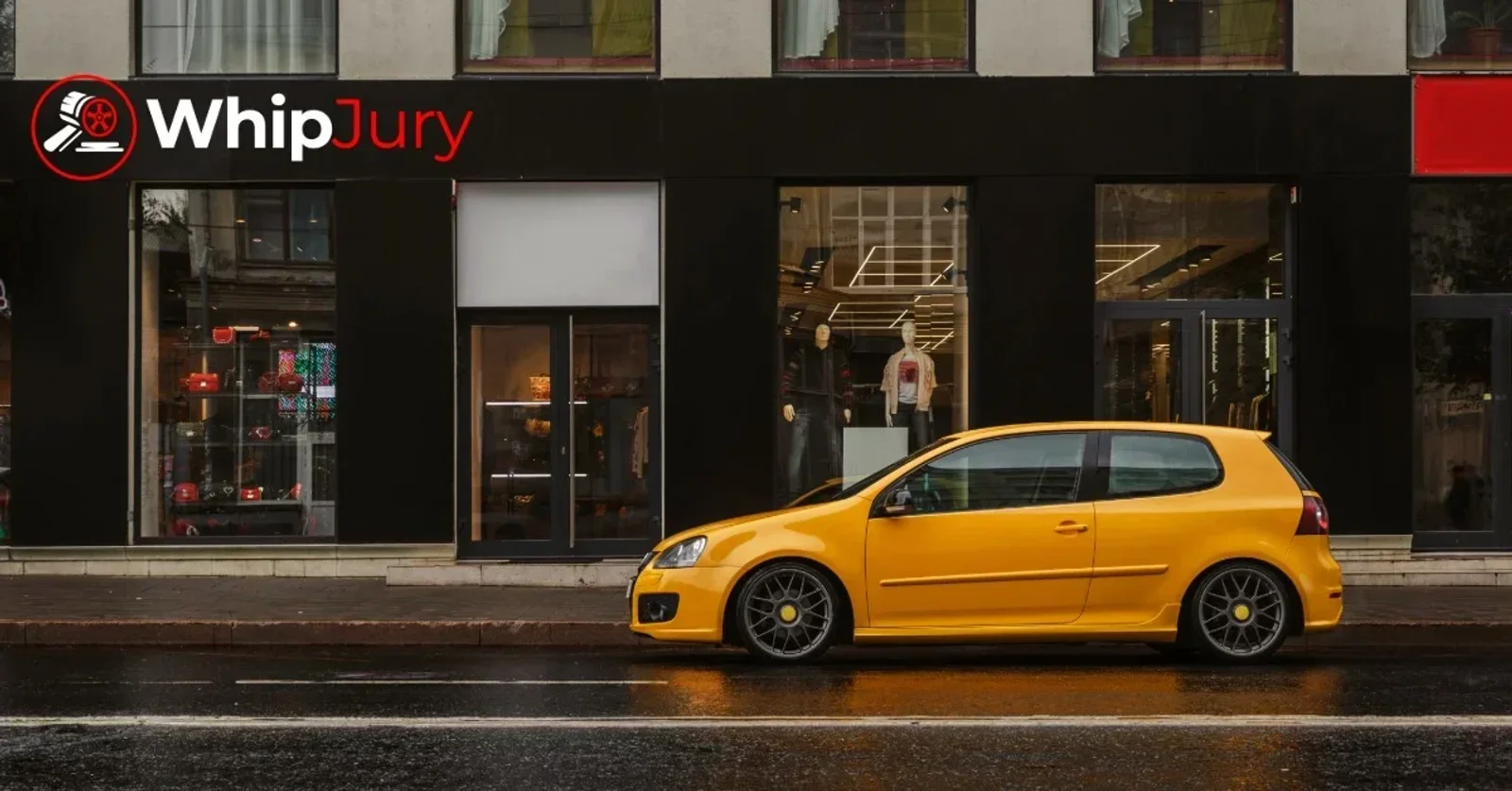
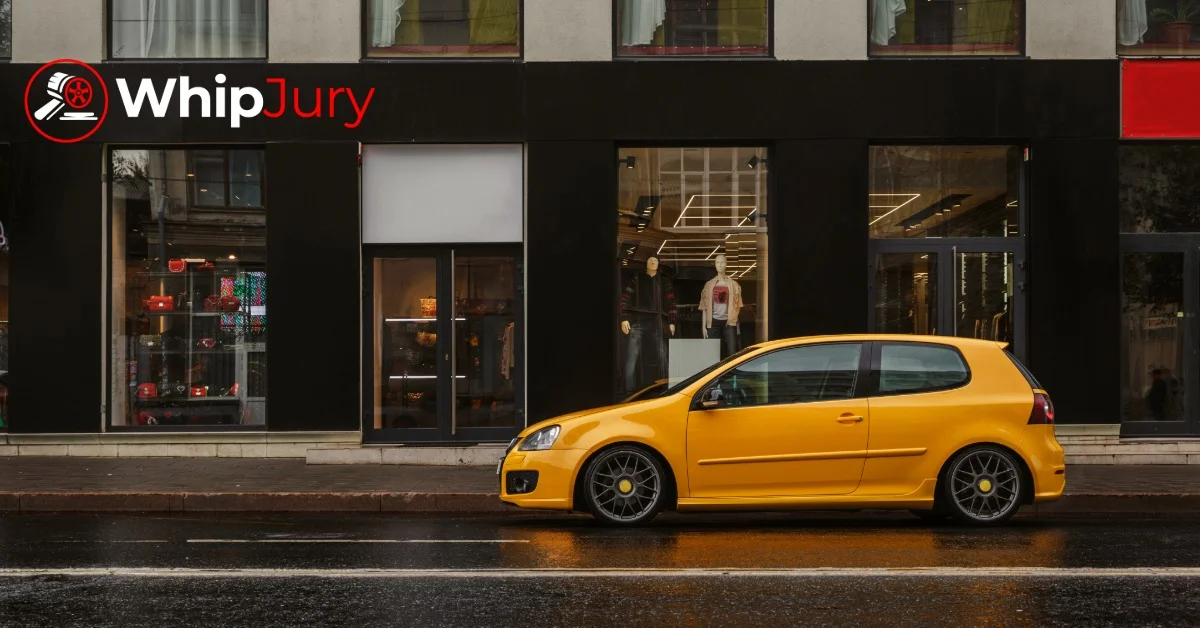
Pale yellow, the washed-out, nearly cream shade that occasionally appears on crossovers and compact cars, is a different animal entirely. It looks like the car was supposed to be white and ran out of paint halfway through. It looks like something left in the sun too long. It has no conviction. Bright yellow says look at me. Pale yellow says I was going to say something but changed my mind.
Medium Brown: Actively Hostile to Good Design
Brown had a moment in the early 2010s when automakers decided earth tones were coming back. They were not. Medium brown, the kind that sits somewhere between tan and dark chocolate without committing to either, is one of the most effective ways to destroy a car's visual presence ever devised.
It absorbs all the surface detail that designers worked to create. It makes every car look heavier than it is. It ages faster than almost any other color. A ten year old brown car looks twenty years old. Dark chocolate brown with gloss finish can work on the right luxury vehicle. Medium brown on anything does not work on anything.
Light Green: The Color That Cannot Decide What It Is
Saturated green can be spectacular. British Racing Green on a sports car is timeless. Deep forest green on a truck or SUV works. Light green, the minty, pale, almost-teal shade that appears on compact crossovers and entry-level sedans, is none of those things.
Light green reads as a color that wanted to be interesting and did not follow through. It is noticeable enough to draw the eye but not strong enough to reward the look. The car becomes memorable for the wrong reason. People remember the color before they remember the car, which is the opposite of what good color should do.
Rental Car Silver: The Worst Silver
Silver is not on this list. Good silver, deep metallic silver with real flake and presence, is one of the best colors available on most cars. This is specifically about rental car silver. The flat, low-metallic, grayish silver that looks like the factory could not afford real paint.
It is the default color of vehicles that are purchased in bulk and driven by strangers. It communicates nothing except availability. It is the automotive equivalent of beige but with the added insult of pretending to be interesting. Nearly every mainstream brand offers a version of this color and nearly every car it touches looks cheaper for it.
The Honorable Mention: Faded Burgundy
Burgundy is not inherently bad. Deep, rich burgundy on a luxury sedan or a large SUV can look authoritative and expensive. But the pale, slightly pink burgundy that appears on older inventory and entry-level trims ages into something that looks less like a color choice and more like a color accident. Once it starts to fade it looks like the car is embarrassed about its own paint.
The Rule Behind All of These
Every color on this list shares the same problem. None of them commit. They sit in the middle of a spectrum, trying to be safe or trying to be interesting, and end up being neither. The colors that work on cars are the ones that make a clear statement. Bright, saturated, and bold. Deep, dark, and intentional. Clean, crisp, and precise. The colors that fail are the ones that hedge.
A car that commits to its color rates higher every time. And a great color on a mediocre car will always outscore a mediocre color on a great one.
Go rate your car's color against the competition on WhipJury and find out where it stands.

Jeffrey Wiley has spent more time than he'd like to admit thinking about what makes a car look right. He writes about automotive design, car culture, and the opinions people have strong feelings about. He lives in north Georgia.