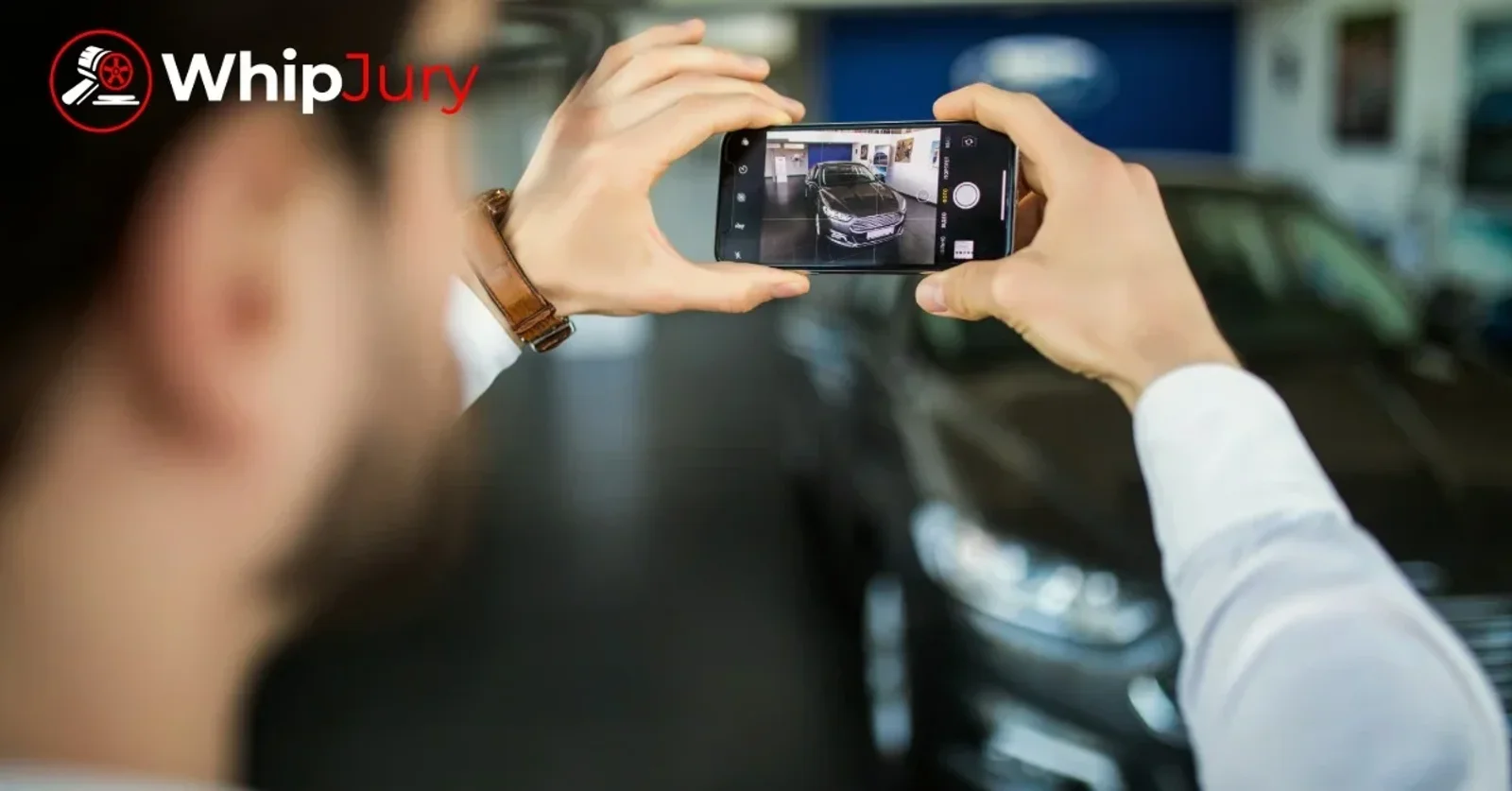
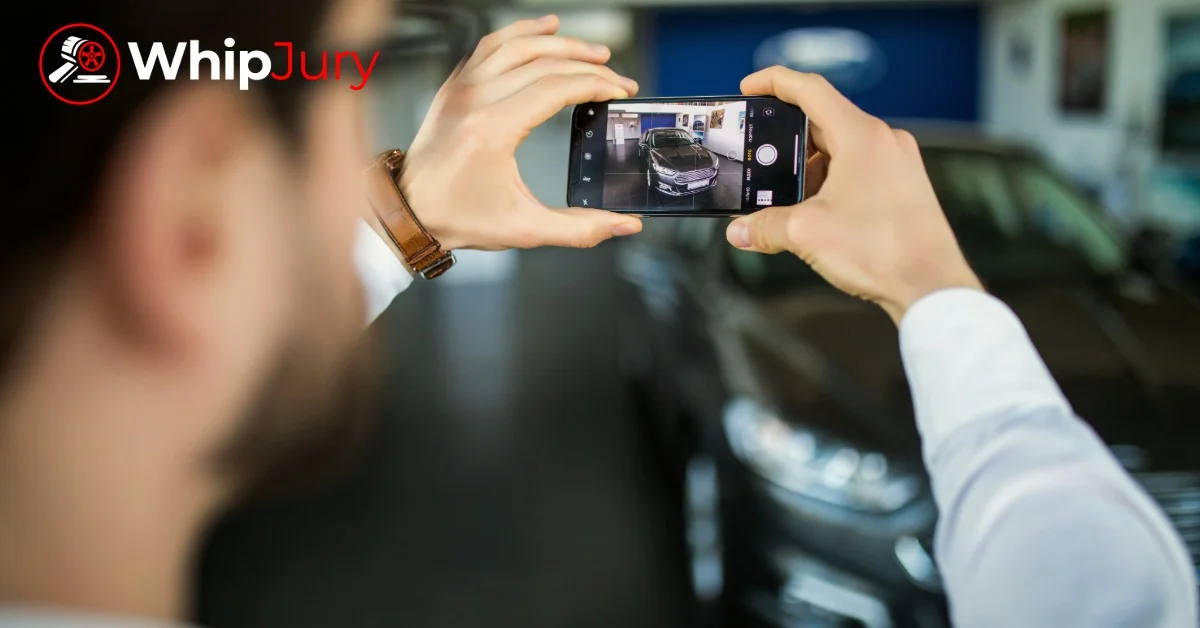
Most cars look worse in their owner's photos than they do in real life. Not because the car is bad. Because the photo is. A great car shot in flat midday sun in a Walmart parking lot with a cluttered background and a straight-on angle will lose a faceoff to a mediocre car photographed well. This is not fair. It is also completely fixable.
Here is what actually makes the difference.
Shoot at Golden Hour. Not Midday. Ever.
The single biggest upgrade available to any car photographer costs nothing and requires only a schedule change. Golden hour, the 45 minutes after sunrise and before sunset, produces directional warm light that rakes across the body panels at a low angle. This is exactly what a car's surface design is built to show off. Character lines catch highlights. Shadows deepen. The body looks like it has dimension and weight instead of sitting flat under a fluorescent wash.
Midday sun is the enemy. It comes straight down, fills in all the shadows, bleaches out any color depth, and makes even great paint look like it came from a spray can. If you only change one thing about how you photograph your car, make it this.
The Three-Quarter Front Is Not Optional
Stand at roughly the front corner of the car, about 45 degrees off the bumper, crouched slightly below door handle height. This is the angle that every manufacturer uses for press photos and there is a reason. It shows the front face, the full side profile, and the roofline simultaneously. It gives the car depth. It makes the proportions readable in a single frame in a way that a straight-on front shot never achieves.
Straight-on front shots flatten everything. The car looks like a face with no body. Straight-on side shots make even great proportions look like a diagram. The three-quarter front is where cars look like cars, and it is the angle that wins faceoffs on WhipJury more consistently than any other.
Get Lower Than You Think You Should
Phone cameras held at chest or face height produce the most common and most damaging car photo mistake. Shooting down at a car compresses it, makes it look shorter than it is, and emphasizes the roof over everything else. Get the camera below the door handles. For a sports car or a low sedan, that means crouching significantly or even kneeling.
Shooting slightly upward from a low angle does two things. It makes the car look larger and more planted. And it puts the sky or a clean background behind the car instead of a parking lot surface, which immediately makes any photo look more intentional. A 2019 Civic shot from knee height looks better than a 2024 Porsche shot from standing height. Camera position matters more than the car.
The Background Is Half the Photo
A cluttered background competes with the car for attention and the car loses. Other vehicles, shopping cart corrals, light poles coming out of the roof, chain link fencing. Any of these will drag a photo down regardless of how good the car looks. Before you shoot, spend thirty seconds looking at what is behind the car and move until it is clean.
The best backgrounds are simple and have some tonal contrast with the car. A dark car in front of a light concrete wall. A light car in front of a darker building or treeline. Urban architecture works well because it gives context without competing. Empty roads, open fields, and parking garages with clean lines are all reliable. The worst background for any car is another car.
Overcast Days Are Underrated
Overcast light is soft, diffused, and even. It is not as dramatic as golden hour but it is dramatically better than harsh midday sun. On a cloudy day the sky acts as one giant softbox and the car's color reads accurately without hot spots or harsh shadows. Darker colors in particular, black, navy, dark green, look significantly better in overcast light than in direct sun where they tend to blow out or look patchy.
If you drive a black car and you have been waiting for the perfect sunny day to photograph it, stop. Go out on the next cloudy afternoon and you will get better results.
Clean the Car. All of It.
Brake dust on the wheels, water spots on the paint, a dusty roof that only shows up in photos. The camera picks up everything the eye glosses over in person. A car that looks fine in the driveway can look neglected in a photo taken twenty minutes later. A basic wash and wheel clean before shooting takes an hour and adds more to the photo than any camera setting or location choice.
Tire shine is worth it for photos specifically. Dry, faded tires make any car look older than it is. Black tires with visible tread definition add about $5,000 of perceived value to any wheel and tire combination.
One More Thing Nobody Does
Take the rear three-quarter shot. Most people get one good photo of the front and call it done. The rear of a car tells you as much about the design as the front does, and a strong rear photo in a WhipJury submission changes how voters see the whole car. A good rear three-quarter in the right light, showing the taillights, the roofline taper, and the stance, is sometimes the photo that wins the faceoff.
Your car is better looking than your current photos suggest. Fix the angle, fix the light, fix the background, and let the design speak for itself.
Then put it in a faceoff on WhipJury and see what happens when the jury actually gets to see it properly.
Frequently Asked Questions

Cam Walsh has been obsessing over cars since before he could drive one. Based out of Atlanta, Cam covers automotive design, car culture, and the eternal debate over which whips actually look the part.