DuelsLeaderboardGarageBlogCarsGlossaryBrowse

Plymouth Cuda

Plymouth
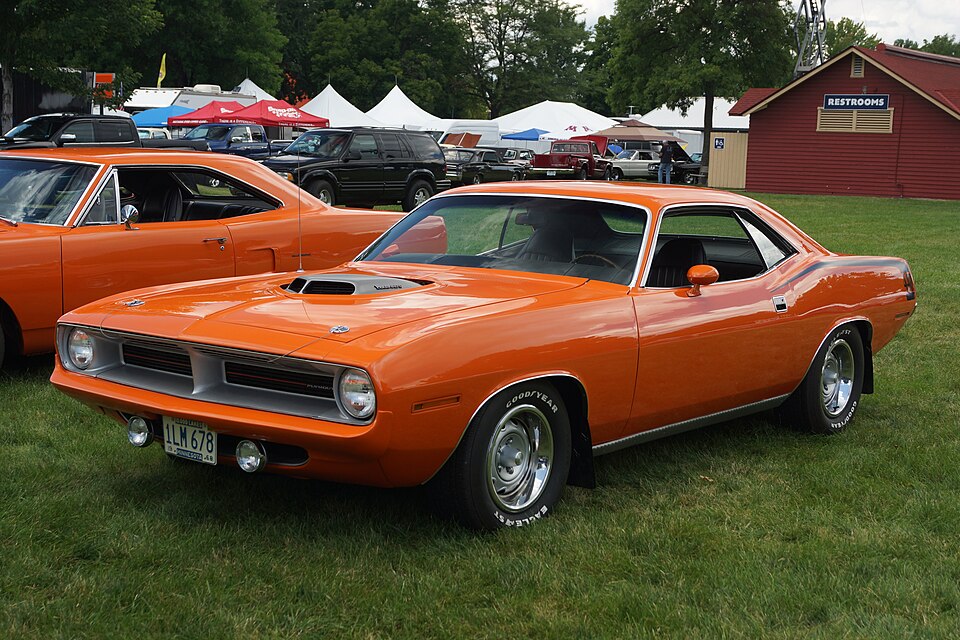
Plymouth Cuda: Plymouth's pony car (1970-1974). The 1970-1971 Hemi Cuda is one of the most valuable American muscle cars ever
Photo: Greg Gjerdingen from Willmar, USA / Wikimedia Commons · CC BY 2.0

Plymouth's pony car (1970-1974). The 1970-1971 Hemi Cuda is one of the most valuable American muscle cars ever produced.

The Plymouth Barracuda began as a 1964 fastback variant of the Valiant. The 1970-1974 third-generation Barracuda (E-body platform, shared with Dodge Challenger) is the most collected Barracuda. The 1970-1971 Hemi Cuda with the 426 Hemi V8 making 425 horsepower (factory rating, likely more) is one of the most valuable American muscle cars ever produced. Convertible Hemi Cudas have crossed $3.5 million at auction. Coupes range from $200,000 to $1 million depending on condition and documentation. Total Hemi Cuda production was around 1,400 cars across both years. Convertibles were even rarer (around 130 produced). The Cuda lineage is closely tied to the Dodge Challenger; both share platform. Modern interpretations include the 2008-2023 Dodge Challenger, which captured similar muscle car character but in a modern chassis. On WhipJury, Cuda submissions are extremely rare but reliably top voting when they appear. Hemi Cuda submissions (real or tribute) generate immediate high voting.

Cuda lineage

1964-1969 (first/second generation). Compact fastback variant of the Valiant.

1970-1974 (third generation). E-body platform shared with Challenger. Most collectible.

Frequently asked questions about Plymouth Cuda

Why are Hemi Cudas so expensive?
Limited production (around 1,400 total Hemi Cudas across 1970-1971). The legendary 426 Hemi V8. Design that has aged exceptionally well. Motorsport heritage. Clean documented Hemi Cudas have set multiple auction records over the years. Convertible Hemi Cudas (only around 130 produced) are particularly valuable.
What is the difference between Cuda and Barracuda?
Both refer to the same car. Cuda was the high-performance trim of the Barracuda, with larger engines (340, 383, 440, 426 Hemi options). Barracuda was the broader model name. In casual speech, all third-generation 1970-1974 cars are often called "Cudas," even base Barracudas.
Are Cudas reliable?
The 426 Hemi V8 is durable but expensive to rebuild. Common issues are typical for cars now 50+ years old: rust, electrical concerns, and fuel system. Restoration is intensive and expensive but the cars are durable when properly maintained.
Why is Plymouth no longer made?
Chrysler discontinued Plymouth in 2001 during DaimlerChrysler era. The brand had become redundant with significant overlap to Dodge lineup. Most Plymouth dealers transitioned to Chrysler-Plymouth-Jeep dealers, then to Chrysler-Jeep-Dodge dealers. The Cuda nameplate is owned but unused.
What is a Hemi Cuda Convertible?
The 1970-1971 Hemi Cuda Convertible (only around 130 produced total) is the most valuable Plymouth Cuda variant. Combination of rare body style (convertible), most powerful engine (426 Hemi), and limited production has made the convertible Hemi Cuda one of the most collectible American cars. Auction prices have crossed $3.5 million.

More on the Plymouth Cuda

The Last Great Era of American Car Design (And Why It Ended)

American car design peaked twice. The first peak was the 1950s, when post-war prosperity and genuine cultural euphoria produced colors, proportions, and detail work that no subsequent era has matched. The second peak was shorter, more aggressive, and in many ways more interesting: the roughly decade-long window from 1964 to 1974 when American muscle car design produced some of the most visually forceful objects ever put on public roads. Then four things happened simultaneously and it was over within eighteen months...

Other Plymouth models

BarracudaBreezeDusterFuryGTXLaserNeonProwlerRoad RunnerSatelliteSuperbirdValiant
More Plymouth models