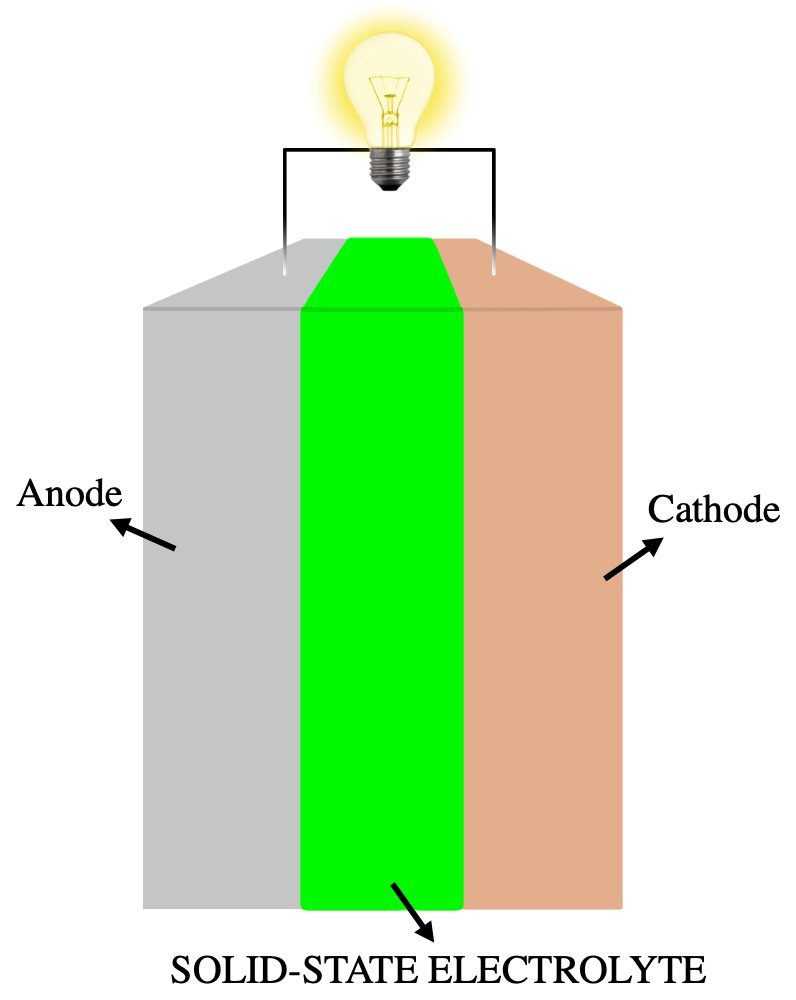
What is Solid-State Battery?
A solid-state battery uses a solid electrolyte instead of a liquid one, promising higher energy density, improved safety, and faster charging for future EVs.
A solid-state battery is a battery design that replaces the liquid or gel electrolyte found in conventional lithium-ion cells with a solid material, such as certain ceramics, glass, or solid polymers. The electrolyte is the medium that allows ions to move between a battery's electrodes during charging and discharging, and changing it from liquid to solid changes many of the battery's physical and safety characteristics.
Proponents of solid-state technology point to several potential advantages over today's liquid electrolyte lithium-ion batteries, including higher energy density, which could mean more range from a similarly sized battery pack, faster charging times, and improved thermal stability, since solid electrolytes are generally less flammable than the liquid electrolytes used in current EV batteries. These properties have made solid-state batteries a closely watched next-generation technology for electric vehicles.
As of the mid-2020s, solid-state batteries remain largely in development and limited pilot production rather than widespread mass-market use in production vehicles, with several automakers and battery makers announcing target timelines for commercialization that have shifted over time. Manufacturing challenges, including achieving reliable contact between solid materials at scale and controlling cost, have been cited as key hurdles standing between lab and prototype demonstrations and full-scale automotive production.
Related terms
Frequently asked questions
Solid-State Battery on the blog
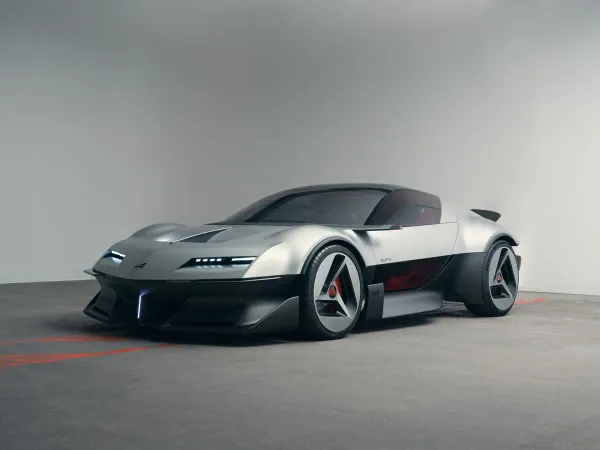
French and European brands filled the 2026 Paris Motor Show with concepts that borrow from their past, including the Alpine A310 Vision, the Peugeot RCZ Vision and E-T16, the Alfa Romeo Cuorerosso, the DS F3VER, and the Opel STX wagon.
Electric vehicles solved the engineering problem. The range improved. The charging infrastructure is building out. The performance numbers are extraordinary. What nobody solved is the design problem, and the design problem is not about styling. It is structural. It is baked into the format at a level that cannot be fixed with better headlights or a more aggressive front end. The best EV designers in the world are working against physics and losing in specific ways that are visible in every faceoff where an EV goes up against a comparable combustion car...